5x5 Storage Unit Size Guide: What Fits and What Does Not
5x5 Storage Unit Size Guide: What Fits and What Does Not |
| 5X5 STORAGE UNIT
⏱ 15 min read ·
📄 #2,820 words
A 5x5 storage unit offers 25 sq ft of space, fitting 5-10 boxes, small furniture, and seasonal items. Learn exactly what fits and packing tips.
|
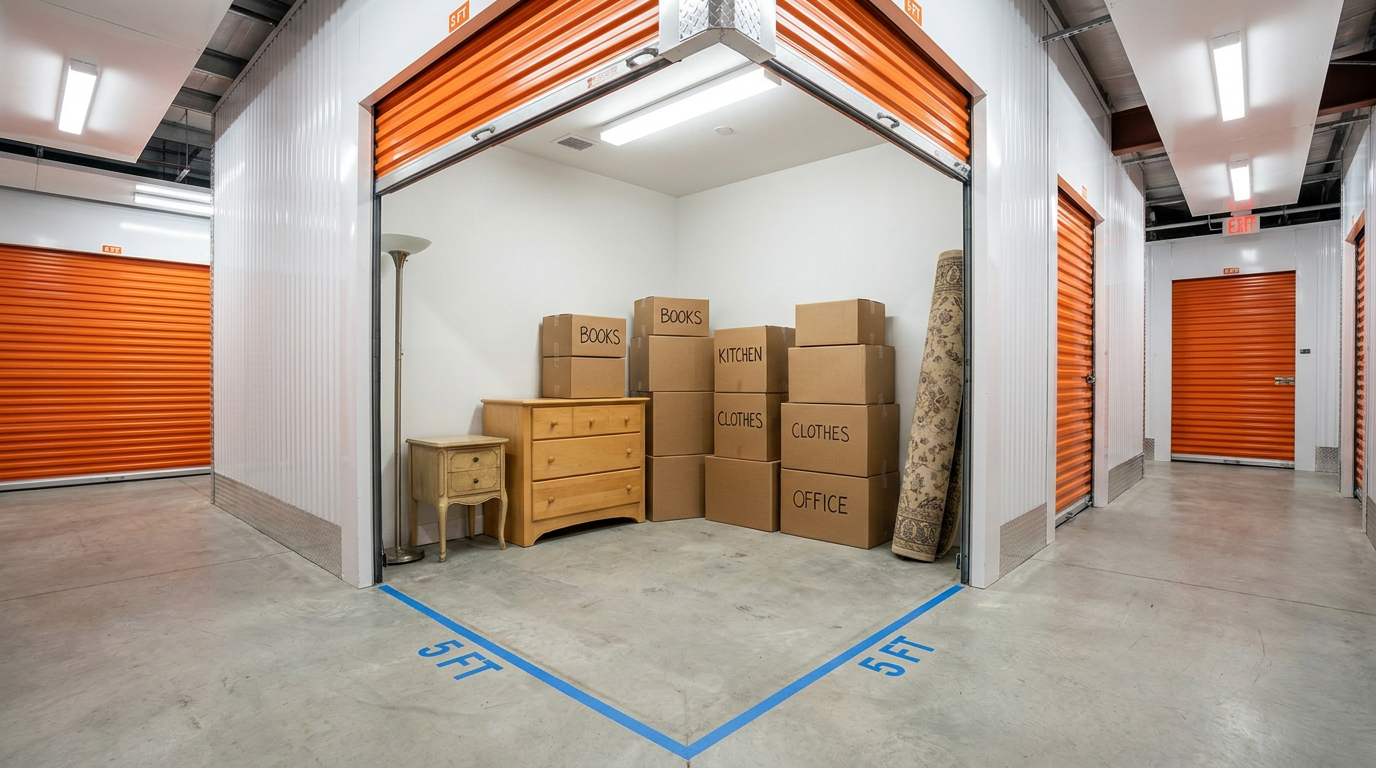
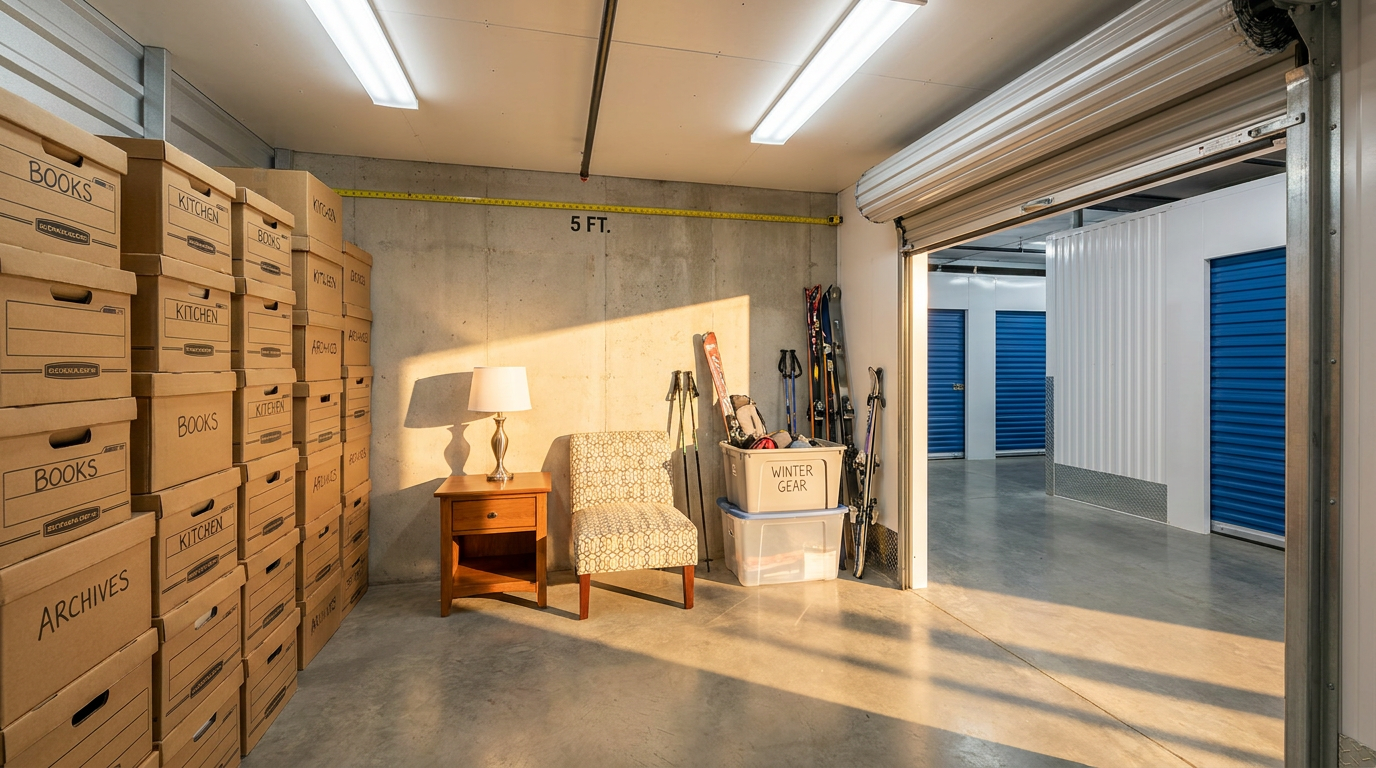
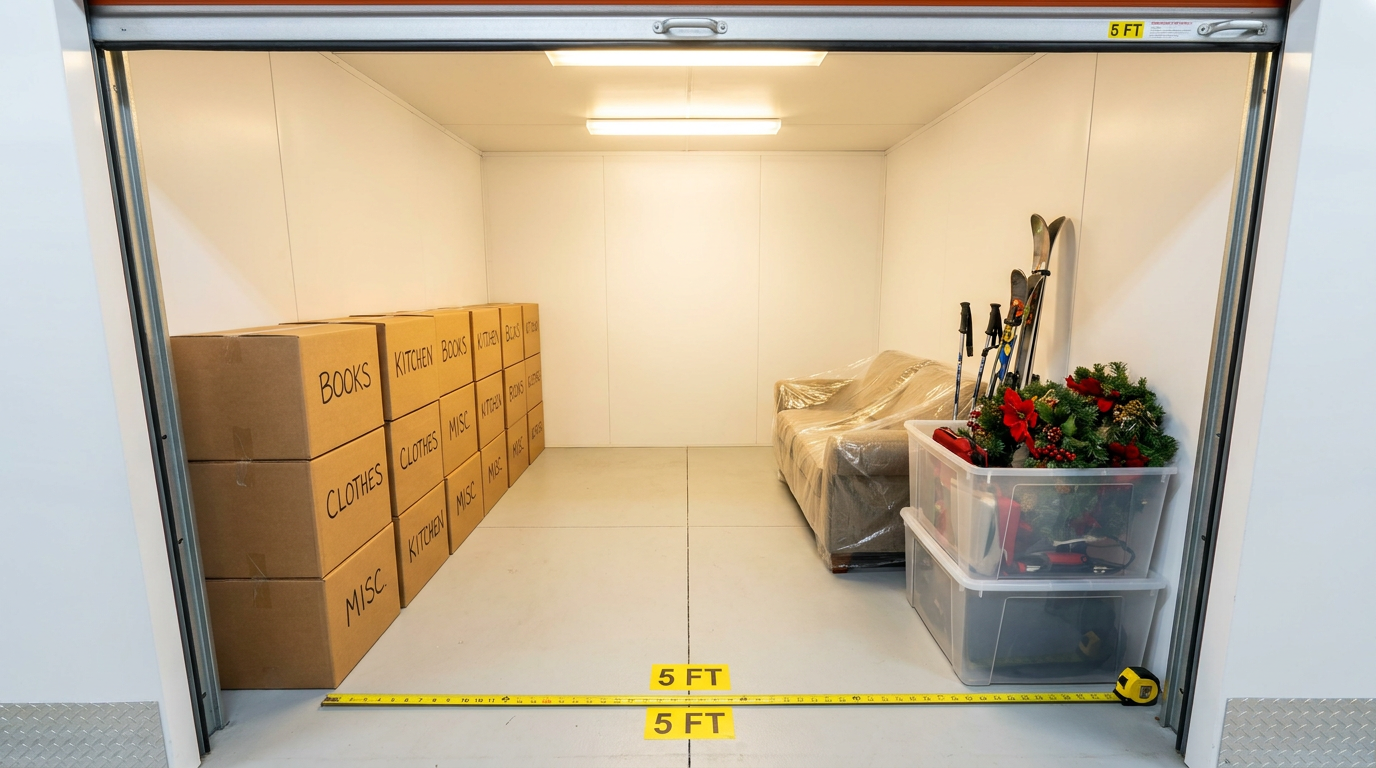
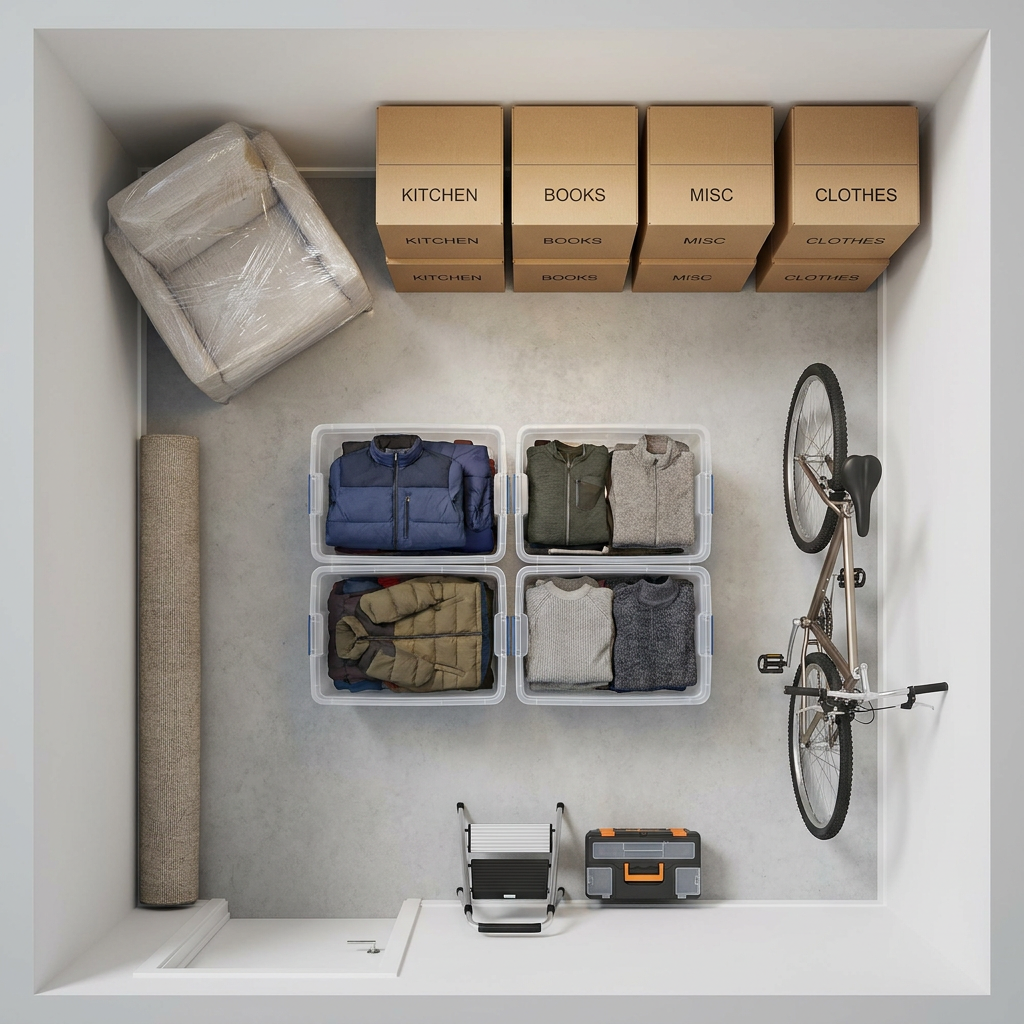
A 5x5 storage unit provides 25 square feet of floor space and approximately 200 cubic feet of total volume, making it equivalent to a large walk-in closet. This smallest standard storage size holds 5 to 10 medium moving boxes, a twin mattress stored vertically, small furniture pieces like nightstands or compact dressers, and seasonal items including holiday decorations and sports equipment.
| Key Points: | |
|---|---|
| • | Dimensions: 5 feet wide x 5 feet deep x 8 feet tall, totaling 200 cubic feet of usable space |
| • | Capacity: Holds 5-10 medium boxes, small furniture, and seasonal items when packed efficiently |
| • | Cost: Typically $30-$100 per month depending on location and climate control options |
| • | Best for: College students, seasonal storage, document archiving, and hobby equipment |
| • | Limitations: Cannot fit king mattresses, full sofas flat, or standard washer/dryer pairs |
Exact Dimensions and Volume of a 5x5 Storage Unit
The standard 5x5 storage unit measures 5 feet in width by 5 feet in depth, creating 25 square feet of floor space. According to Extra Space Storage's size guide , most facilities maintain 8-foot ceiling heights, providing roughly 200 cubic feet of total storage volume. This measurement remains consistent across major storage operators including Public Storage, U-Haul, and CubeSmart.
To visualize this space, imagine a standard bedroom closet or a small half bathroom. The National Self Storage Association reports that 5x5 units represent approximately 15% of all rented storage spaces nationwide, making them the most popular small-unit option for consumers seeking affordable overflow storage.
The 25 square feet of floor space equals approximately 3.6 square meters for those using metric measurements. When stacked to ceiling height, you gain access to the full 200 cubic feet, which explains why vertical organization becomes critical for maximizing this compact space.
What Fits in a 5x5 Storage Unit: Complete Inventory List
Understanding exactly what fits in a 5x5 unit prevents frustration on moving day. Based on industry standards from Public Storage's sizing guidelines and practical testing, the following items fit comfortably in a properly organized 5x5 space.
Boxes and Storage Containers
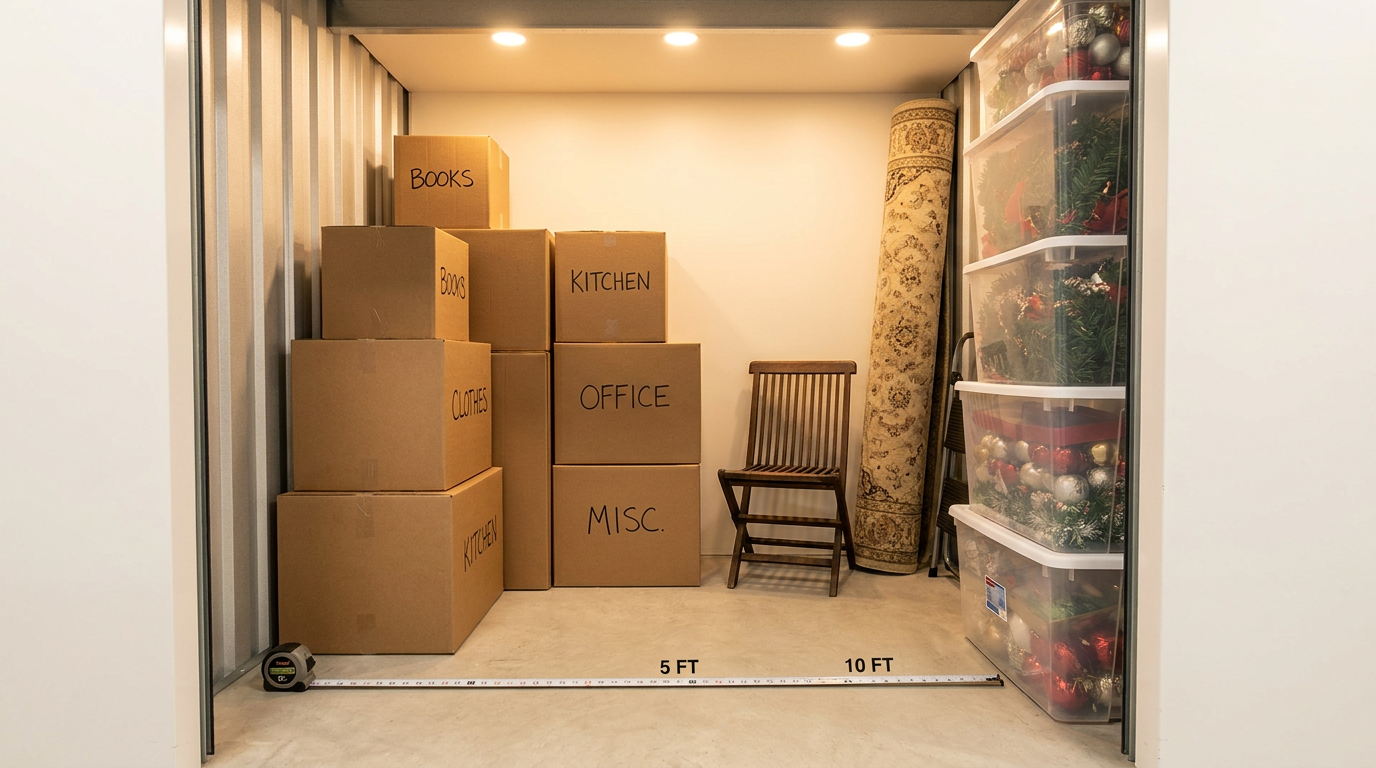
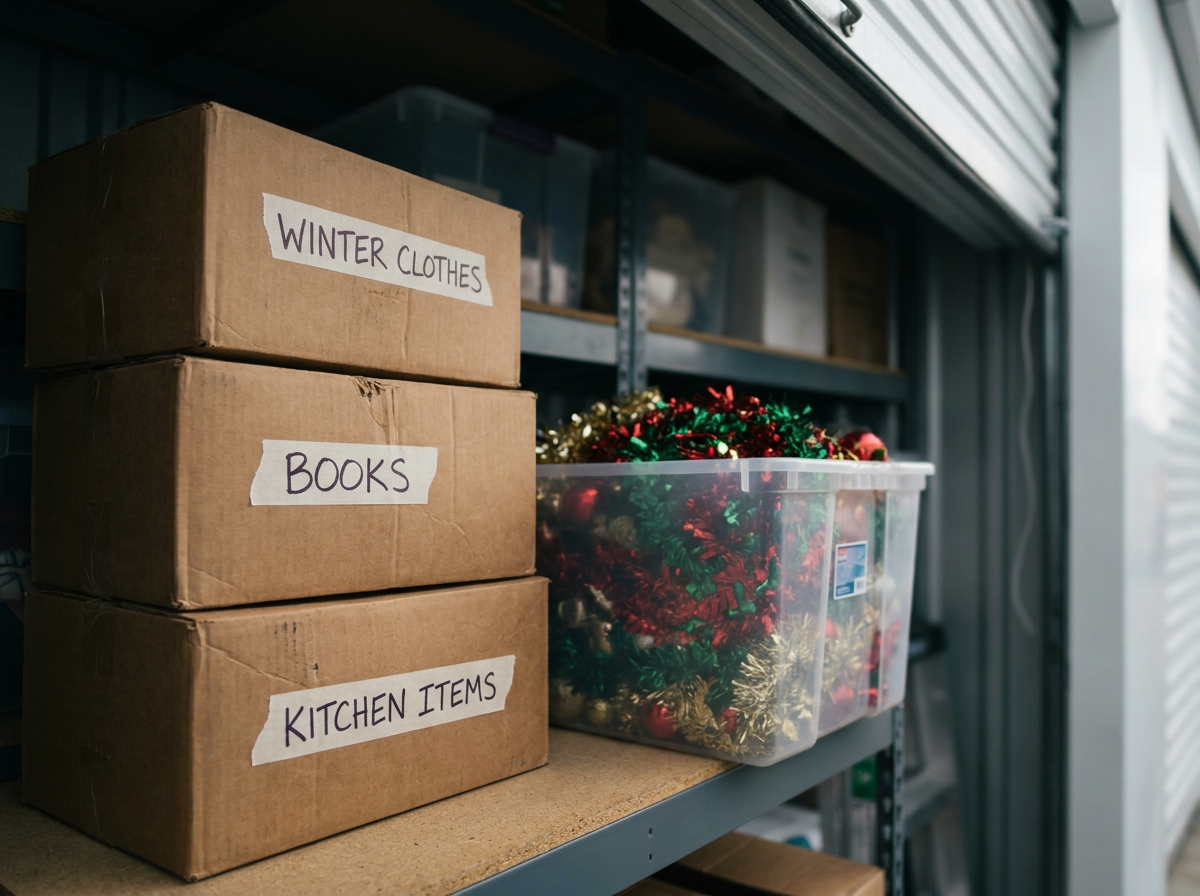
A 5x5 unit accommodates 5 to 10 medium-sized moving boxes when stacked efficiently. Standard 18x18x16 inch boxes stack three high safely, allowing you to fill the vertical space. Using uniform box sizes increases capacity by approximately 20% compared to mixed-size packing.
Plastic storage bins measuring 27 gallons or smaller work well in this space. You can fit approximately 8 to 12 bins when stacked to shoulder height, leaving the upper space for lighter items or irregularly shaped belongings.
Furniture That Fits
Small furniture pieces fit well in a 5x5 unit when positioned strategically. Nightstands, end tables, and small bookcases under 36 inches wide slide against walls easily. A compact desk chair or accent chair fits when placed upside down on top of boxes.
Twin and full mattresses fit when stored vertically against the back wall. This orientation uses the 8-foot ceiling height efficiently while preserving floor space for boxes and smaller items. Queen mattresses also fit vertically but consume more floor width, leaving limited space for additional storage.
Seasonal and Recreational Items
Holiday decorations, including disassembled artificial Christmas trees up to 7 feet, fit when boxed properly. Seasonal clothing, winter coats, and bedding store well in vacuum-sealed bags that compress to 75% of their original volume.
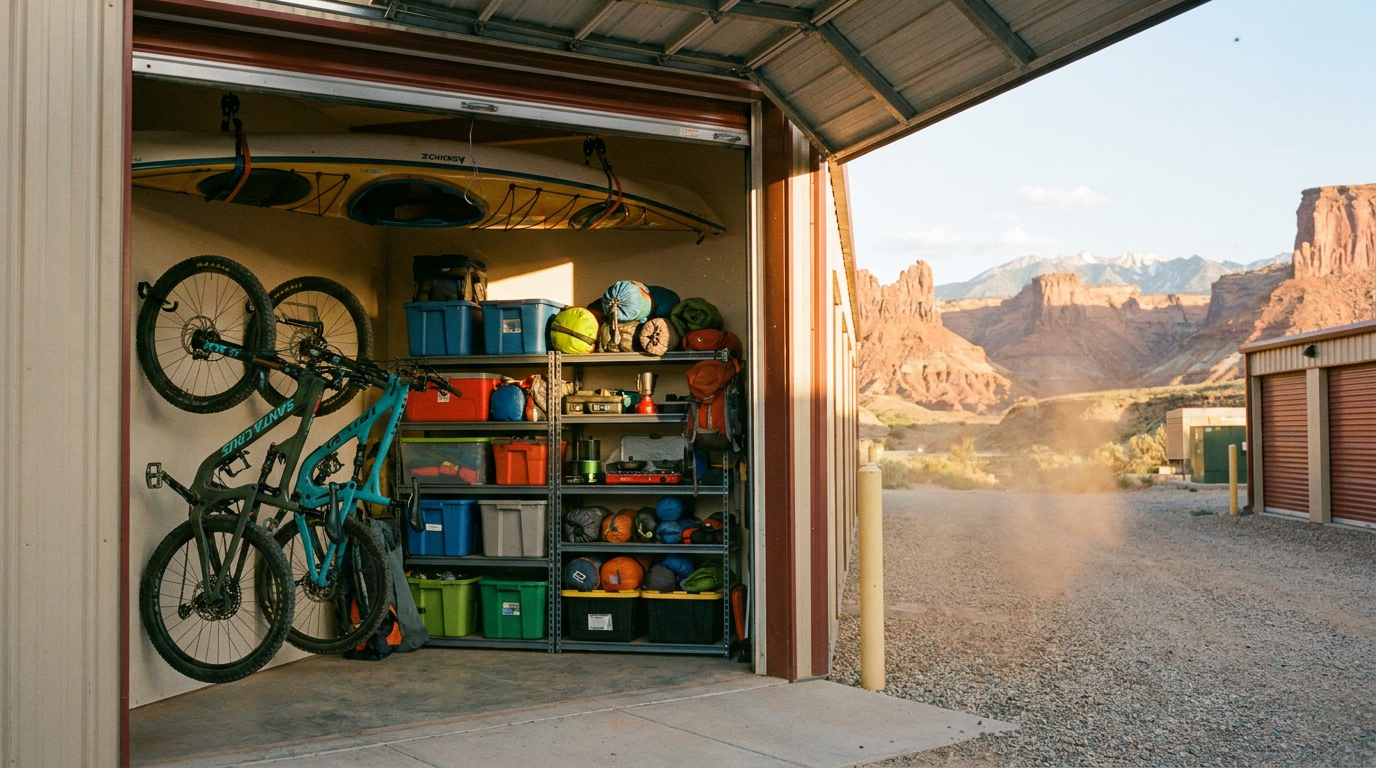
Sports equipment including bicycles, golf clubs, skis, snowboards, and camping gear fits in a 5x5 unit. For outdoor recreation destinations like Moab, Utah, this size works well for storing climbing gear, mountain bikes, and kayak accessories between adventures. Our storage unit size guide provides visual references for gear storage configurations.
Electronics and Small Appliances
Televisions up to 50 inches, microwaves, vacuum cleaners, and small kitchen appliances fit without difficulty. Mini refrigerators under 4 cubic feet, portable air conditioners, and dehumidifiers store safely when positioned upright.
What Does NOT Fit in a 5x5 Storage Unit
Knowing the limitations of a 5x5 unit saves time and prevents costly surprises. According to StorageStar's comprehensive guide , certain items simply exceed the dimensional constraints of this compact space.
| Item Category | Fits in 5x5 | Alternative Size Needed |
|---|---|---|
| Twin Mattress (vertical) | Yes | N/A |
| Queen Mattress (vertical) | Tight fit | 5x10 recommended |
| King Mattress | No | 5x10 or 10x10 |
| Standard Sofa (flat) | No | 5x10 or 10x10 |
| Sofa (on end) | Possible, uses most space | 5x10 preferred |
| Washer/Dryer Pair | No | 5x10 or 10x10 |
| Stackable Washer/Dryer | Tight fit | 5x10 recommended |
| Full Refrigerator | No | 5x10 or larger |
| Dining Table (6+ seats) | No | 10x10 or larger |
Studio apartment contents typically require a 5x10 or 10x10 unit. The contents of a single bedroom, including bed frame, mattress, dresser, and boxes, exceed 5x5 capacity. Large sectional sofas, L-shaped desks wider than 5 feet, and exercise equipment like treadmills or ellipticals require larger units.
5x5 Storage Unit Cost: National Averages and Price Factors
Monthly rental rates for 5x5 storage units range from $30 to $100 depending on location, amenities, and market demand. According to SpareFoot's 2024 market analysis, the national average sits at approximately $58 per month for standard units without climate control.
Factors Affecting 5x5 Storage Unit Price
Geographic location creates the largest price variation. Units in New York City, San Francisco, and Boston average $75 to $120 monthly, while rural areas and smaller cities like Moab, Utah offer rates between $40 and $70. Climate-controlled 5x5 units cost 20% to 40% more than standard units, adding $10 to $30 per month.
First-floor or drive-up access commands premium pricing at many facilities. Units requiring elevator access or located on upper floors often cost 10% to 15% less. Promotional rates for new customers frequently reduce first-month costs by 50% or offer the first month free.
Hidden Costs to Consider
Administrative fees range from $15 to $30 at move-in. Insurance or tenant protection plans add $10 to $20 monthly, though some facilities include basic coverage. Lock purchases cost $10 to $25 if you do not bring your own. For details on protecting your stored belongings, review our tenant protection plan options.
Best Uses for a 5x5 Storage Unit
Certain storage scenarios align perfectly with the 5x5 footprint. Understanding these use cases helps determine whether this size meets your specific needs or if a larger unit provides better value.
College Student Storage
The 5x5 unit works exceptionally well for college students between semesters. A dorm room's worth of belongings, including a small desk, chair, mini fridge, bedding, and 5 to 8 boxes of clothing and books, fits comfortably. Summer storage for students typically runs 3 to 4 months, making the affordable monthly rate particularly attractive.
Seasonal Item Rotation
Homeowners use 5x5 units to rotate seasonal items including holiday decorations, winter clothing, patio cushions, and lawn equipment. This approach frees closet and garage space year-round while keeping seasonal items accessible. The Self Storage Association reports that 32% of 5x5 renters use units primarily for seasonal rotation.
Business Document Storage
Small businesses and home offices benefit from 5x5 units for document archiving. Standard file boxes measuring 15x12x10 inches stack efficiently, allowing storage of 50 to 75 boxes of records. IRS guidelines require retaining tax documents for 3 to 7 years, making off-site storage a practical compliance solution.
Hobby and Sports Equipment
Outdoor enthusiasts, particularly in recreation destinations, use 5x5 units for gear storage. Bicycles hang vertically using wall hooks, skis and snowboards lean against walls, and camping equipment fits in remaining floor space. Climbers store ropes, harnesses, and protection gear safely between trips.
For visitors to Moab exploring Arches National Park, Canyonlands, or the Colorado River, a small storage unit provides a secure base for equipment rotation during extended adventures. As a locally owned storage facility , we understand the unique needs of outdoor recreationists in the area.
How to Maximize Space in a 5x5 Storage Unit
Efficient packing transforms a 5x5 unit from cramped to surprisingly spacious. Professional organizers and moving companies recommend these specific strategies for maximizing every cubic foot.
Vertical Stacking Strategy
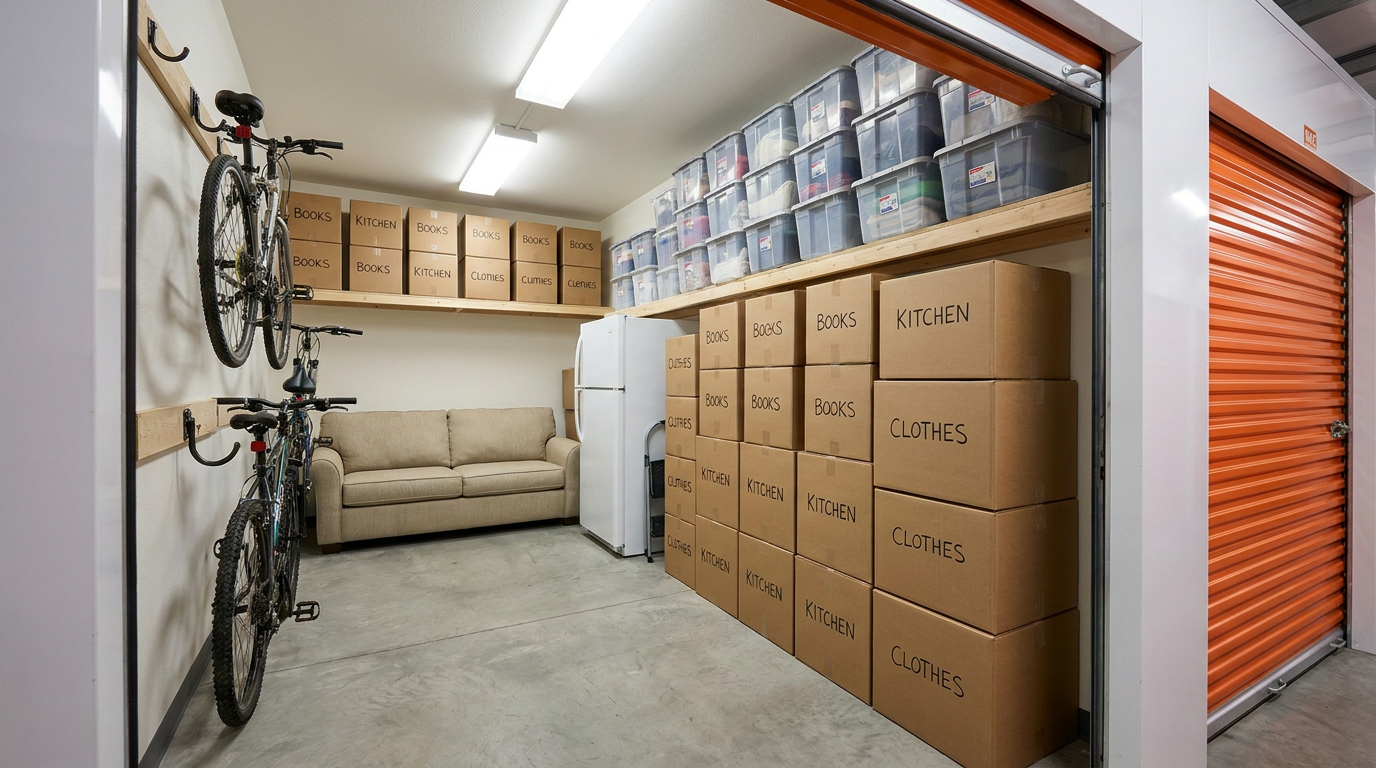
Use the full 8-foot ceiling height by stacking boxes to shoulder level (approximately 5 feet) for easy access, then placing lighter items above. Heavy boxes belong on the bottom, medium-weight boxes in the middle, and light or fragile items on top. This pyramid approach prevents crushing and maintains stability.
Uniform box sizes increase stacking efficiency by 15% to 25% compared to mixed sizes. Standard medium boxes (18x18x16 inches) or large boxes (18x18x24 inches) create stable columns that reach ceiling height safely.
Furniture Disassembly
Remove table legs, bed frame rails, and shelving brackets before storage. Flat components lean against walls, consuming minimal floor space. Keep hardware in labeled plastic bags taped to the corresponding furniture piece for easy reassembly.
The Tetris Method
According to ConsumerAffairs' storage experts , treating your unit like a Tetris game maximizes capacity. Fill hollow spaces inside dressers, appliances, and bins. Place chairs upside down on tables. Slide flat items like mirrors and pictures between mattresses and walls.
Access Aisle Planning
If you need regular access to stored items, leave a 12 to 18 inch aisle from door to back wall. Place frequently needed items near the front at waist height. This configuration sacrifices approximately 10% of total capacity but prevents complete unit reorganization during each visit.
5x5 vs 5x10 Storage Units: Which Size Do You Need?
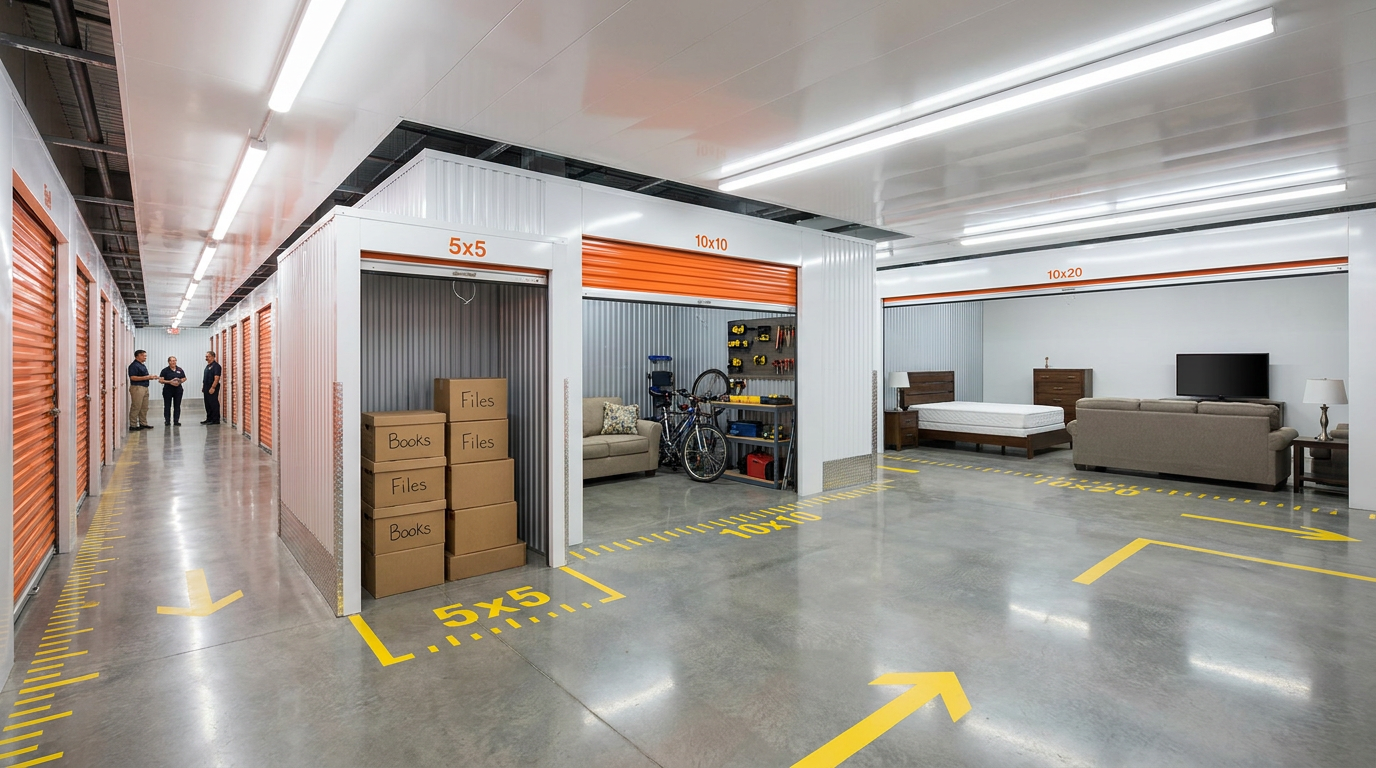
The 5x10 storage unit doubles the floor space to 50 square feet and 400 cubic feet of volume. Understanding when to upgrade saves money if a 5x5 suffices or prevents frustration if you need more space.
| Feature | 5x5 Unit | 5x10 Unit |
|---|---|---|
| Floor Space | 25 sq ft | 50 sq ft |
| Total Volume | 200 cubic ft | 400 cubic ft |
| Box Capacity | 5-10 medium boxes | 15-25 medium boxes |
| Mattress Size | Twin/Full (vertical) | Queen/King (vertical) |
| Furniture Capacity | Small pieces only | Small bedroom set |
| Average Monthly Cost | $30-$100 | $60-$150 |
| Best For | Closet overflow, seasonal | Small room, studio contents |
Choose a 5x5 unit when storing contents equivalent to one large closet, seasonal items only, or fewer than 10 boxes with minimal furniture. Upgrade to a 5x10 when storing a small bedroom's contents, multiple pieces of furniture, or when you need regular access to items stored in the back.
Drive-Up vs Indoor 5x5 Units: Choosing the Right Access Type
Access type significantly impacts convenience, especially for heavy items or frequent visits. Drive-up units allow vehicle parking directly at the unit door, while indoor units require navigating hallways and potentially elevators.
Drive-Up Unit Advantages
Drive-up access eliminates carrying items through corridors, reducing loading time by 30% to 50% for most moves. This access type proves essential for storing heavy boxes, furniture, or equipment you access regularly. Weather protection during loading depends on facility design, with some offering covered driveways.
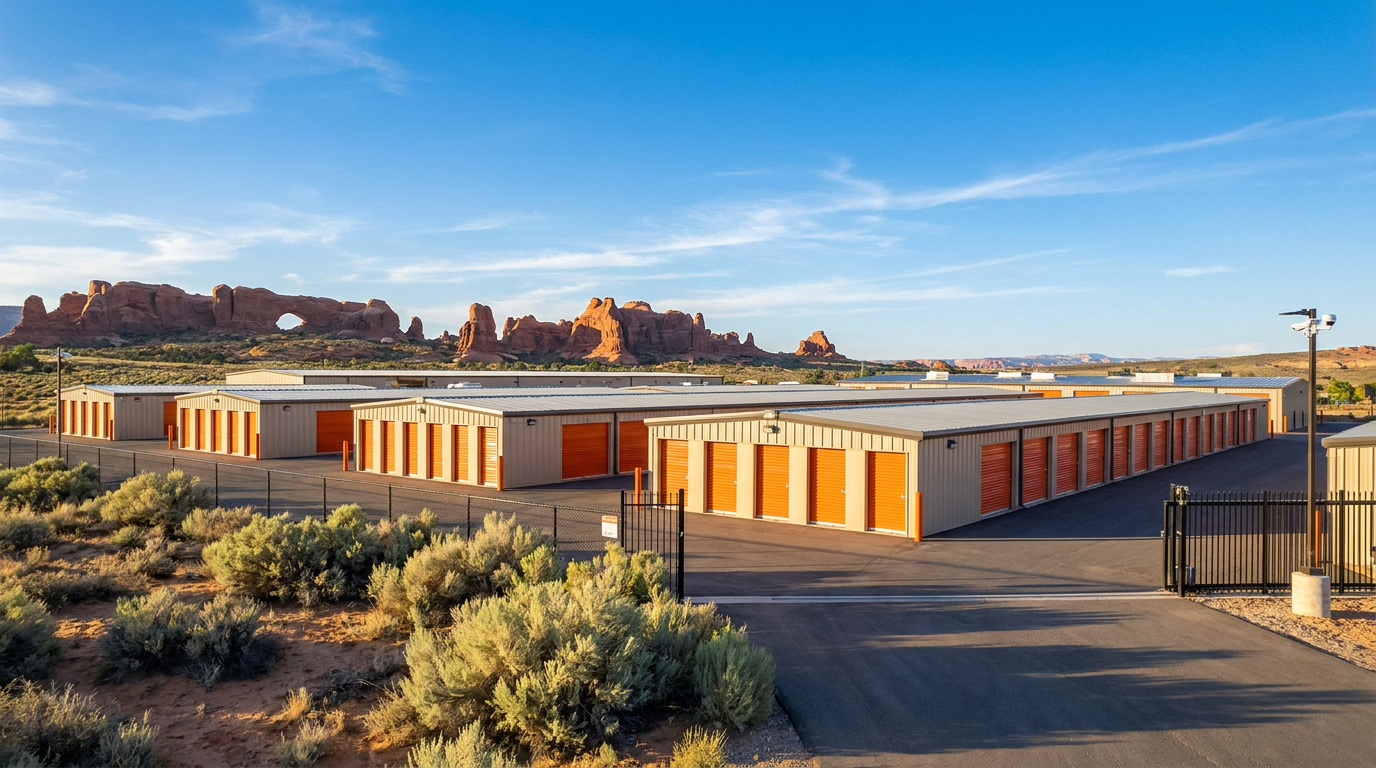
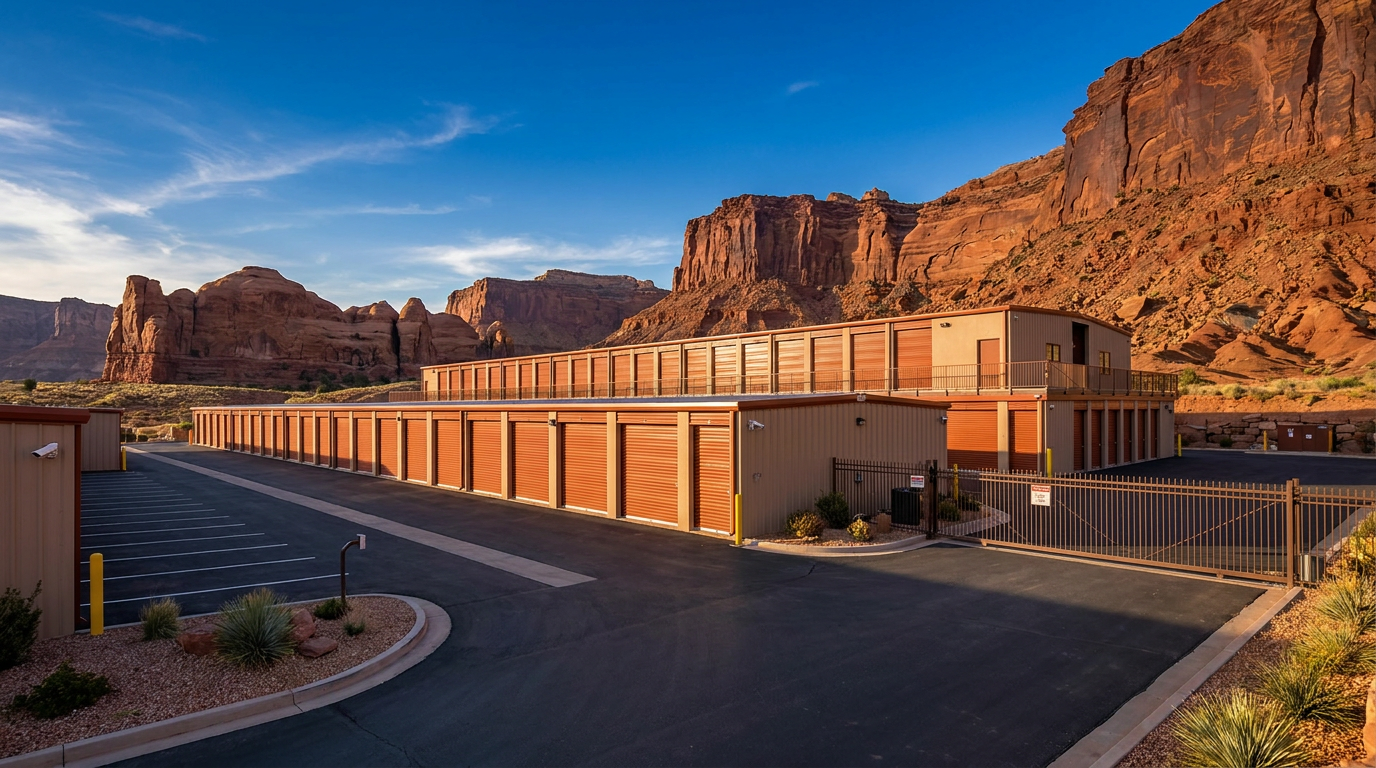
Moab Self Storage provides drive-up access on all units, including 5x5 sizes, with a fully paved facility for easy loading. Our 24/7 access means you can retrieve gear before early morning adventures or after late-night arrivals. Visit our frequently asked questions for details on access procedures.
Indoor Unit Considerations
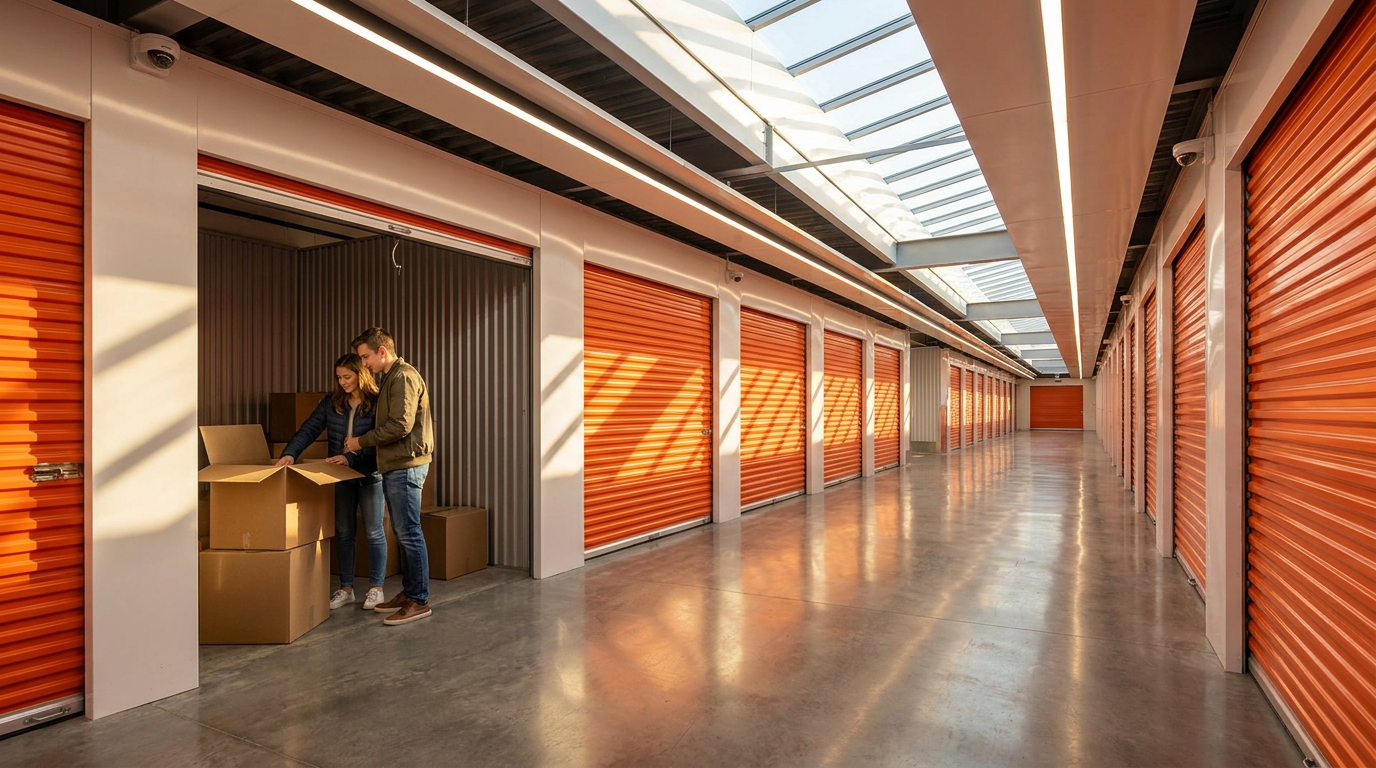
Indoor units often include climate control as a standard feature, maintaining temperatures between 55 and 80 degrees Fahrenheit year-round. This environment protects temperature-sensitive items including electronics, photographs, vinyl records, and wooden furniture from extreme heat or cold.
Security often differs between access types. Indoor units benefit from building access control in addition to individual unit locks. Drive-up facilities rely on perimeter fencing, gate codes, and surveillance cameras for security.
Climate Control for 5x5 Storage Units: When You Need It
Climate-controlled storage maintains consistent temperature and humidity levels, protecting sensitive belongings from environmental damage. Not every item requires this protection, but certain categories benefit significantly.
Items Requiring Climate Control
Electronics including computers, televisions, and gaming consoles suffer damage from temperature fluctuations and humidity. Condensation forms on circuit boards when temperatures swing dramatically, causing corrosion and failure. Photographs, documents, and books yellow and deteriorate in humid conditions.
Wooden furniture expands and contracts with humidity changes, loosening joints and cracking finishes. Leather goods, including furniture and clothing, crack in low humidity and mold in high humidity. Musical instruments, particularly those with wooden components, require stable environments.
Items That Do Not Require Climate Control
Plastic storage bins, metal tools, outdoor furniture, and sporting goods tolerate temperature variations well. Camping equipment, bicycles, and automotive accessories store safely in standard units. Seasonal decorations made from plastic, metal, or fabric withstand non-climate-controlled conditions.
In Moab's high desert climate, summer temperatures regularly exceed 100 degrees Fahrenheit while winter nights drop below freezing. Standard drive-up units work well for durable outdoor gear, while climate-sensitive items may require alternative storage solutions or protective measures.
Frequently Asked Questions About 5x5 Storage Units
What can I fit in a 5x5 storage unit?
A 5x5 storage unit holds 5 to 10 medium moving boxes, a twin or full mattress stored vertically, small furniture pieces like nightstands and compact dressers, seasonal decorations, and sports equipment including bicycles and golf clubs. The space equals a large walk-in closet.
How big is a 5x5 storage unit?
A 5x5 storage unit measures 5 feet wide by 5 feet deep, providing 25 square feet of floor space. With standard 8-foot ceilings, the total volume equals approximately 200 cubic feet. This size compares to a small half bathroom or large bedroom closet.
Will a full size bed fit in a 5x5 storage unit?
Yes, a full-size mattress fits in a 5x5 storage unit when stored vertically against the back wall. The mattress measures approximately 54 inches wide by 75 inches long, fitting within the 5-foot width and utilizing the 8-foot ceiling height. A disassembled bed frame also fits when leaned against the walls.
Is 25 sq ft the same as 5x5?
Yes, 25 square feet equals a 5x5 space. Multiplying 5 feet by 5 feet produces 25 square feet of floor area. This measurement describes only the floor space; total storage volume includes the ceiling height, typically adding 200 cubic feet of usable space.
How much does a 5x5 storage unit cost per month?
Monthly rental rates for 5x5 storage units range from $30 to $100 depending on location, climate control, and access type. The national average sits around $58 per month for standard units. Urban areas and climate-controlled options command higher prices, while rural locations offer lower rates.
Can I store a couch in a 5x5 storage unit?
A standard sofa can fit in a 5x5 unit only when stored on its end, using the vertical space. However, this configuration consumes most of the unit's floor space, leaving minimal room for additional items. A 5x10 unit provides a better solution when storing a sofa with other belongings.
Choosing the Right Storage Facility for Your 5x5 Unit
Beyond size, several facility features impact your storage experience. Security measures, access hours, and location convenience all factor into the decision.
Security Features to Look For
Quality storage facilities provide multiple security layers. Gated access with individual entry codes tracks who enters the property. Digital video surveillance monitors activity 24/7. Well-lit driveways and corridors deter unauthorized access. Individual unit locks, which you provide or purchase, secure your specific space.
Access Hours and Convenience
Standard business hours (8 AM to 6 PM) limit flexibility for working professionals. Extended access (6 AM to 10 PM) accommodates most schedules. 24/7 access provides maximum flexibility but may require additional security protocols. Consider how often you will visit and when you typically have time available.
Location and Accessibility
A facility within 10 to 15 minutes of your home or workplace encourages regular access and monitoring. Highway proximity matters for those storing items during travel or relocation. Ground-level units and wide driveways simplify loading, particularly for larger vehicles or trailers.
For those in the Moab area, including Spanish Valley, Castle Valley, and surrounding communities, convenient location along major routes reduces travel time. You can contact our team for specific directions and facility information.
Preparing Items for 5x5 Storage: Protection Tips
Proper preparation extends item lifespan and prevents damage during storage. These practices apply regardless of storage duration.
Cleaning Before Storage
Clean all items before storage to prevent odors, stains, and pest attraction. Wash and completely dry clothing and linens. Wipe down furniture and appliances. Empty and clean refrigerators and freezers 24 hours before storage, leaving doors slightly open to prevent mold.
Protective Wrapping and Covering
Furniture pads and moving blankets protect wood surfaces from scratches. Plastic wrap secures drawers and doors during transport but should not cover items long-term, as it traps moisture. Mattress bags prevent dust accumulation and pest intrusion. Bubble wrap cushions fragile items within boxes.
Moisture Prevention
Silica gel packets absorb excess moisture within sealed containers. Desiccant buckets work for larger spaces, absorbing humidity from the air. Avoid storing items directly on concrete floors; use pallets, plastic sheeting, or carpet scraps to create a moisture barrier.
|