Moab Storage for Outdoor Gear: Bikes, Camping, Seasonal Items |
| MOAB STORAGE FOR OUTDOOR GEAR: BIKES, CAMPING GEAR, AND SEASONAL EQUIPMENT
⏱ 12 min read ·
📄 #2,229 words
Store bikes, camping gear, and seasonal equipment in Moab with 24/7 drive-up access. Learn sizing, protection tips, and costs for outdoor enthusiasts.
|
O utdoor gear storage in Moab requires a 5x10 to 10x15 unit for most adventurers, costing $87.50 to $139.50 per month. Drive-up access is essential for loading mountain bikes, kayaks, and camping equipment, while proper preparation protects gear from Moab's extreme temperature swings of 20°F to 105°F throughout the year.
| Key Points: | |
|---|---|
| • | A 5x10 unit ($87.50/month) holds 2 to 4 bikes plus camping gear; 10x15 units ($139.50/month) accommodate full adventure setups |
| • | Drive-up access eliminates hallway navigation with bulky equipment like paddleboards, skis, and bike racks |
| • | Month-to-month rentals suit seasonal visitors who need storage only during peak adventure seasons |
| • | Proper gear preparation prevents damage from Moab's desert climate, where humidity drops below 20% in summer |
| • | 24/7 access allows early morning gear retrieval before Slickrock Trail or Arches National Park trips |
Why Moab Adventurers Need Dedicated Gear Storage
Moab attracts over 3 million visitors annually to Arches National Park and Canyonlands National Park, according to the National Park Service. Many outdoor enthusiasts maintain gear collections worth $5,000 to $25,000, including mountain bikes, climbing equipment, and camping systems. Storing this equipment properly between trips protects significant investments.
Second-home owners in Castle Valley and Spanish Valley face a common challenge: limited garage space for adventure gear. A dedicated storage unit keeps equipment organized, accessible, and protected without cluttering living spaces. Seasonal visitors who return multiple times per year avoid transporting heavy gear across state lines.
Local businesses including guide services and rental operations also require overflow storage for inventory. The Moab Adventure Center and similar outfitters often store seasonal equipment like rafts and winter gear when not in active rotation.
Storage Unit Sizes for Different Gear Types
Selecting the right unit size prevents overpaying for unused space while ensuring everything fits. The storage unit size guide provides detailed dimensions, but outdoor gear has specific requirements based on equipment type and quantity.
| Unit Size | Monthly Cost | Gear Capacity | Best For |
|---|---|---|---|
| 5x10 (50 sq ft) | $87.50 | 2 to 4 bikes, tent, sleeping bags, coolers | Solo adventurers, couples |
| 10x10 (100 sq ft) | $114.50 | 4 to 6 bikes, kayak, full camping setup, seasonal gear rotation | Families, multi-sport enthusiasts |
| 10x15 (150 sq ft) | $139.50 | 6+ bikes, paddleboard, multiple kayaks, complete gear room | Serious adventurers, small guide services |
| 10x20 (200 sq ft) | $374 | Full gear collection plus small vehicle, trailer, or UTV | Outfitters, large families, vehicle storage |
Bike Storage Space Requirements
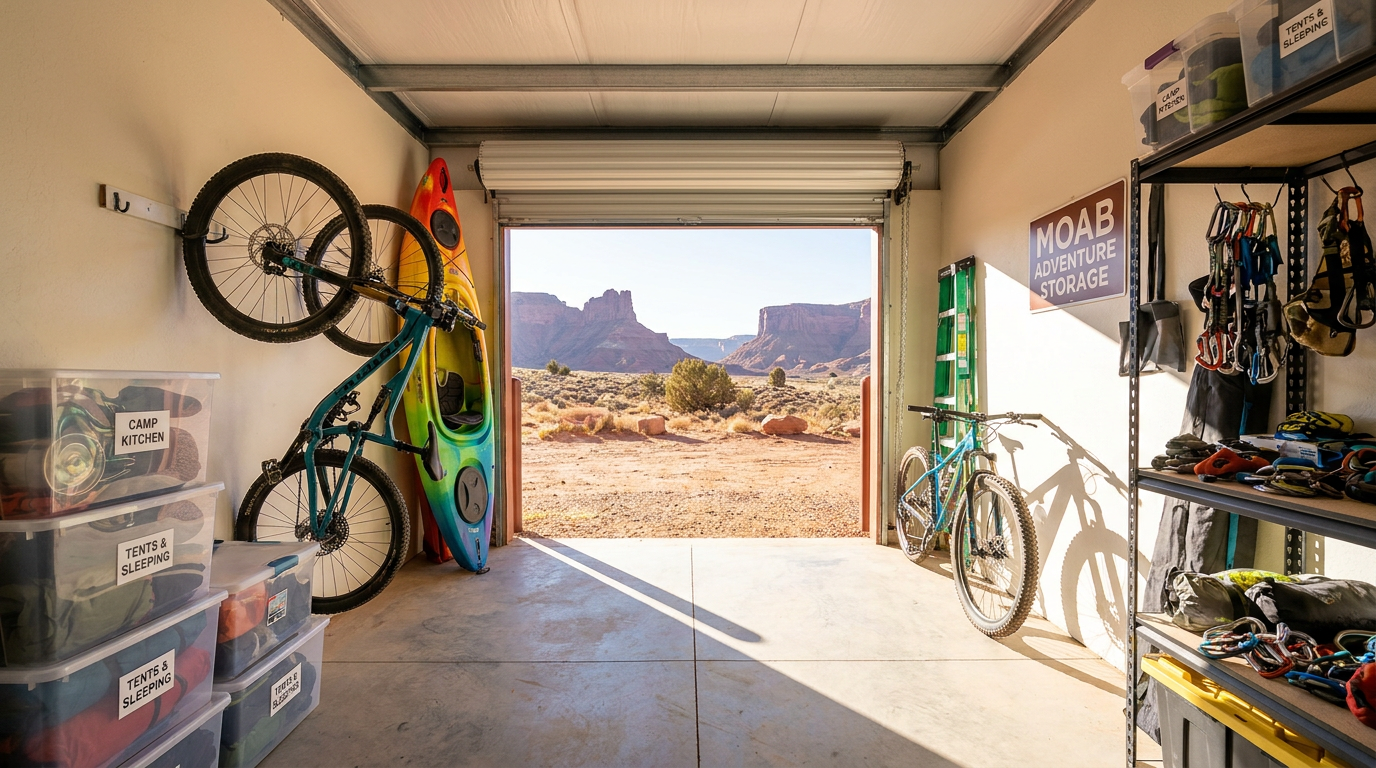
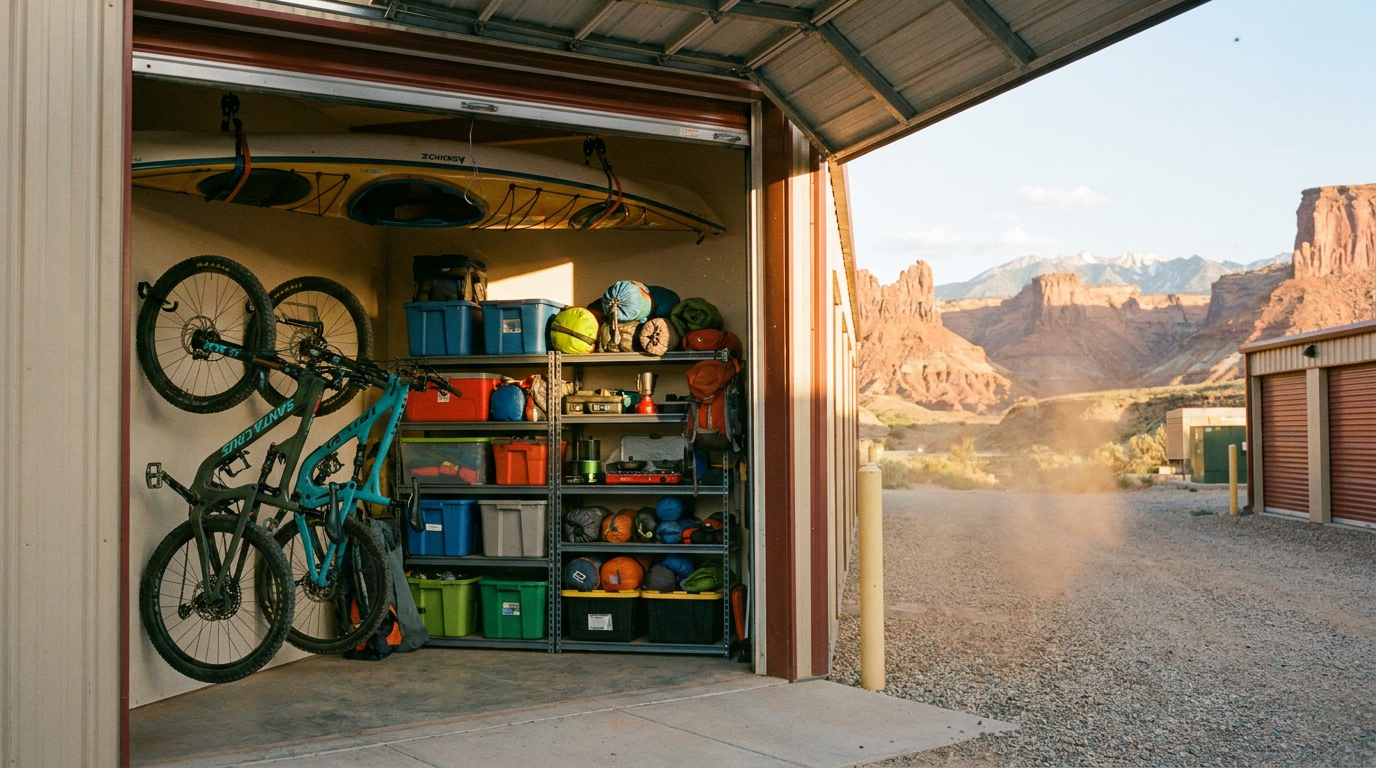
Mountain bikes measure approximately 6 feet long and 2 feet wide when stored flat. Hanging bikes vertically using wall-mounted hooks reduces floor space to roughly 2 feet by 4 feet per bike. A 5x10 unit accommodates 4 bikes stored vertically with room for helmets, tools, and accessories.
High-end bikes from manufacturers like Santa Cruz, Yeti Cycles, and Pivot require careful storage to protect carbon frames and suspension components. Store bikes with suspension set to travel mode, tires inflated to 50% of riding pressure, and chains lubricated to prevent corrosion during extended storage.
Camping Gear Organization
Tents, sleeping bags, and camp furniture compress into surprisingly small spaces when properly packed. A family's complete camping setup, including a 6-person tent, 4 sleeping bags, camp chairs, and cooking equipment, fits within a 4x4-foot floor area when organized in stackable bins.
Store sleeping bags uncompressed in large cotton storage sacks to maintain loft. The REI Co-op's gear care guide recommends hanging bags when possible or storing loosely in breathable containers rather than compression sacks.
Seasonal Equipment Rotation Strategies
Moab's outdoor season runs year-round, but activities shift dramatically. Spring and fall bring optimal mountain biking and hiking temperatures between 50°F and 80°F. Summer drives water activities on the Colorado River, while winter attracts fat biking and cross-country skiing enthusiasts.
A strategic storage approach rotates gear based on season. Store winter equipment from April through October, then swap for water sports gear during colder months. This rotation maximizes home garage space while keeping seasonal items protected and accessible.
Spring and Fall Gear (March to May, September to November)
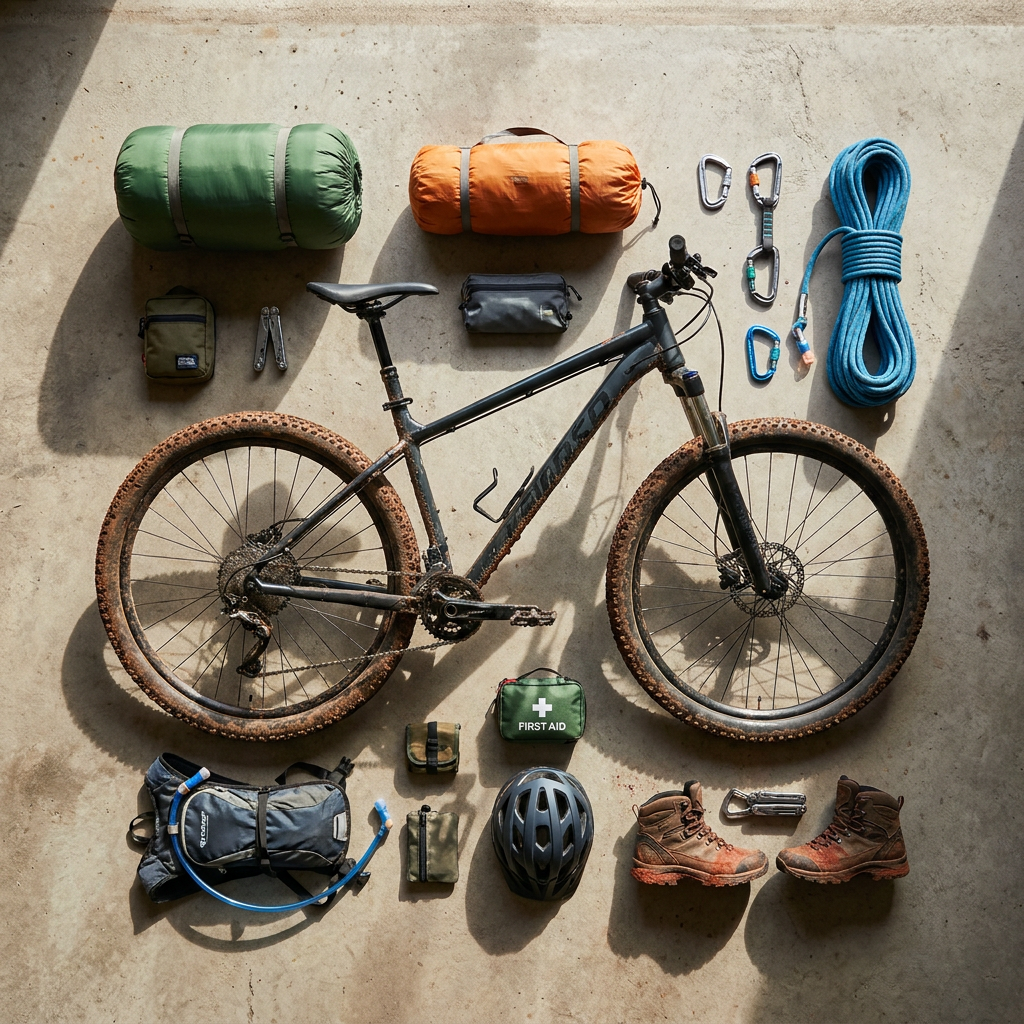
Peak adventure season equipment includes mountain bikes, hiking packs, climbing gear, and camping supplies. Store off-season items during these months: skis, snowshoes, winter clothing, and cold-weather camping gear. The Bureau of Land Management reports that 70% of Moab trail usage occurs during spring and fall months.
Summer Gear (June to August)
Water-focused equipment takes priority when temperatures exceed 95°F. Kayaks, paddleboards, and rafting gear move to active use. Store mountain bikes if heat prevents riding, though early morning Slickrock sessions remain popular. Inflatable watercraft should be stored partially inflated to prevent crease damage.
Winter Gear (December to February)
Fat bikes, cross-country skis, and cold-weather camping equipment come into rotation. Store summer water gear with valves open and surfaces completely dry. Winter in Moab averages 20°F to 45°F, making storage conditions less extreme than summer months.
Protecting Gear from Moab's Desert Climate
Moab's high desert environment presents unique storage challenges. Summer temperatures inside non-climate-controlled units can exceed 120°F, while winter brings freezing conditions. Humidity typically ranges from 15% to 35%, causing different issues than humid climates.
The tenant protection plan covers damage from fire, water, and burglary, providing additional security for valuable gear collections. However, proper preparation remains the first line of defense against environmental damage.
Heat Protection Strategies
Electronics, batteries, and adhesives suffer most from extreme heat. Remove lithium batteries from bike lights, GPS devices, and cameras before storage. Store batteries in insulated containers or remove them entirely during summer months. Heat degrades lithium-ion cells, reducing capacity by 20% annually at temperatures above 100°F.
Rubber and plastic components require protection from UV exposure and heat cycling. Cover items with breathable cotton sheets rather than plastic tarps, which trap moisture and accelerate degradation. Position heat-sensitive items away from unit walls, which conduct exterior temperatures.
Moisture and Dust Management
Despite low humidity, Moab's dust infiltrates storage units during wind events. Seal gear in breathable fabric bags or covered bins to prevent fine red dust accumulation. Silica gel packets absorb residual moisture and prevent mildew on fabrics stored for extended periods.
Clean all gear thoroughly before storage. Dirt and sweat residue attracts pests and accelerates material breakdown. Wash camping fabrics, wipe down bike frames, and air out sleeping bags for 24 hours before packing away.
Bike Storage Best Practices
Mountain bikes represent significant investments, with quality full-suspension models from brands like Specialized, Trek, and Giant ranging from $3,000 to $12,000. Proper storage extends component life and maintains resale value.
Pre-Storage Bike Preparation
Complete these steps before storing bikes for more than 30 days:
- Clean thoroughly with bike-specific wash to remove trail debris and salt
- Lubricate chain with wet lube for long-term corrosion protection
- Reduce tire pressure to 50% of riding PSI to prevent sidewall stress
- Set suspension to full travel position, relieving air spring pressure
- Remove batteries from electronic shifters, dropper posts, and lights
- Apply frame protectant to prevent dust adhesion and UV damage
Storage Position Options
Vertical storage using wheel hooks maximizes floor space but requires proper technique. Hang bikes by the front wheel only; rear wheel hanging can damage hydraulic brake systems. Horizontal storage on padded floor stands works well for carbon frames that may stress at hook contact points.
Never store bikes by the top tube or seat, which concentrates weight on vulnerable frame sections. Freestanding bike racks from brands like Feedback Sports and Park Tool provide stable, frame-safe storage for multiple bikes.
Camping and Backpacking Gear Storage
Technical fabrics and insulation materials require specific storage conditions to maintain performance. A $400 down sleeping bag loses 30% of its loft when compressed for extended periods, according to gear testing by Backpacker Magazine.
Tent Storage Guidelines
Store tents loosely rolled or stuffed in large mesh bags, never in tight compression sacks. Ensure complete dryness before storage; even slight moisture causes mildew within weeks. Inspect seams and apply seam sealer to any worn areas before packing away.
Tent poles should be stored assembled or with shock cord tension released. Keeping poles bent in storage bags accelerates cord degradation. Premium tents from MSR, Big Agnes, and Nemo last 10+ years with proper storage but fail within 3 to 5 years when stored wet or compressed.
Sleeping Bag and Pad Care
Down sleeping bags require breathable storage in cotton or mesh sacks at least three times the compressed size. Synthetic bags tolerate compression better but still benefit from loose storage. Hang bags when possible, or store flat in large bins.
Inflatable sleeping pads should be stored unrolled with valves open. This prevents internal moisture buildup and maintains foam cell structure. Self-inflating pads from Therm-a-Rest and Sea to Summit specifically require open-valve storage per manufacturer guidelines.
Water Sports Equipment Storage
Kayaks, paddleboards, and rafting gear require significant space and specific storage positions. The Colorado River through Moab sees over 200,000 recreational users annually, making water gear storage a common local need.
Kayak and Paddleboard Positioning
Store hard-shell kayaks on their sides or suspended from ceiling straps to prevent hull deformation. Never store kayaks flat on the ground for extended periods; the hull will warp under its own weight. Inflatable kayaks and paddleboards store deflated with valves open, rolled loosely to prevent crease damage.
A 10x15 unit accommodates two hard-shell kayaks stored vertically along walls, plus paddleboards and additional gear. Foam padding between watercraft prevents scratches and dings during access.
Raft and Inflatable Care
Rafts from NRS, AIRE, and similar manufacturers require complete drying before storage. Fold loosely with talcum powder between layers to prevent material adhesion. Store in cool, dark conditions away from direct sunlight exposure.
PFDs, helmets, and safety equipment should be hung or stored upright to maintain foam structure. Compressed foam loses buoyancy over time, potentially compromising safety performance.
Drive-Up Access Benefits for Outdoor Gear
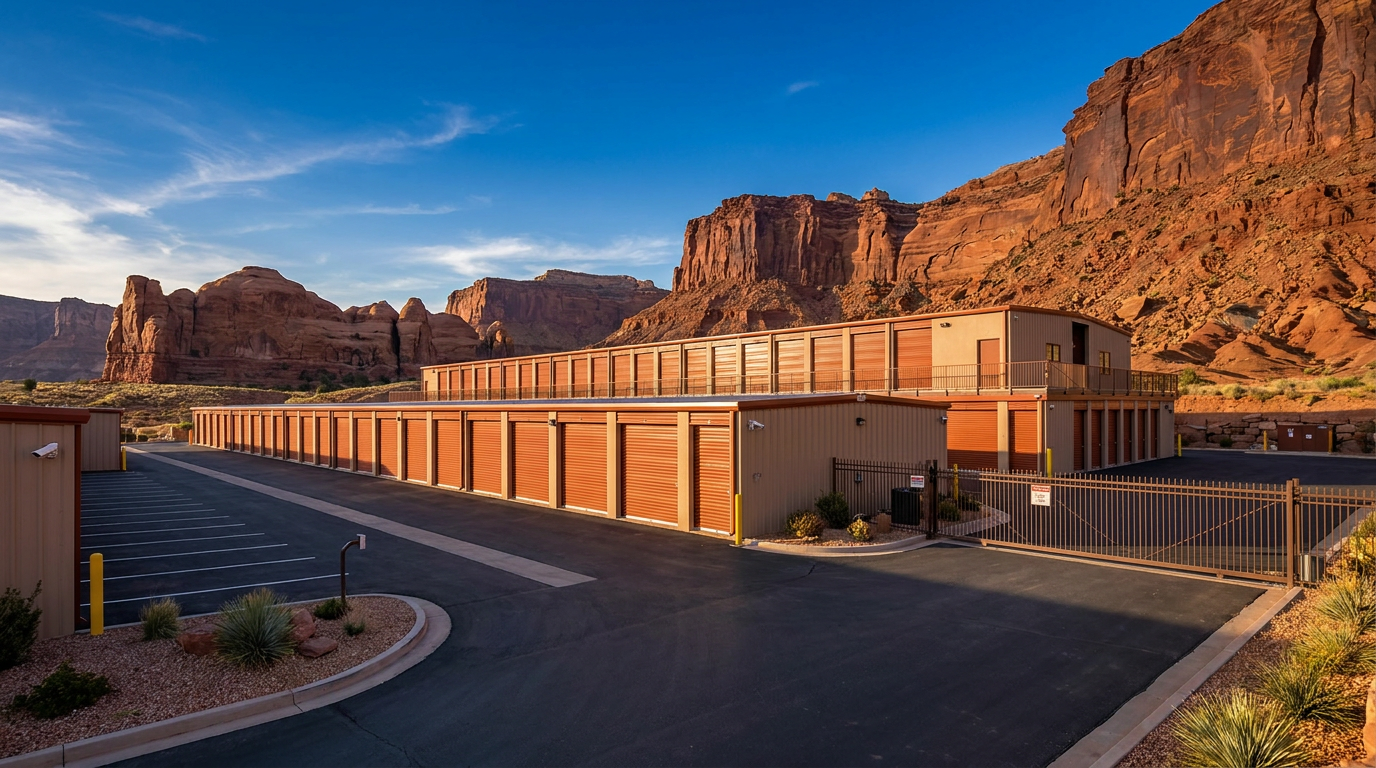
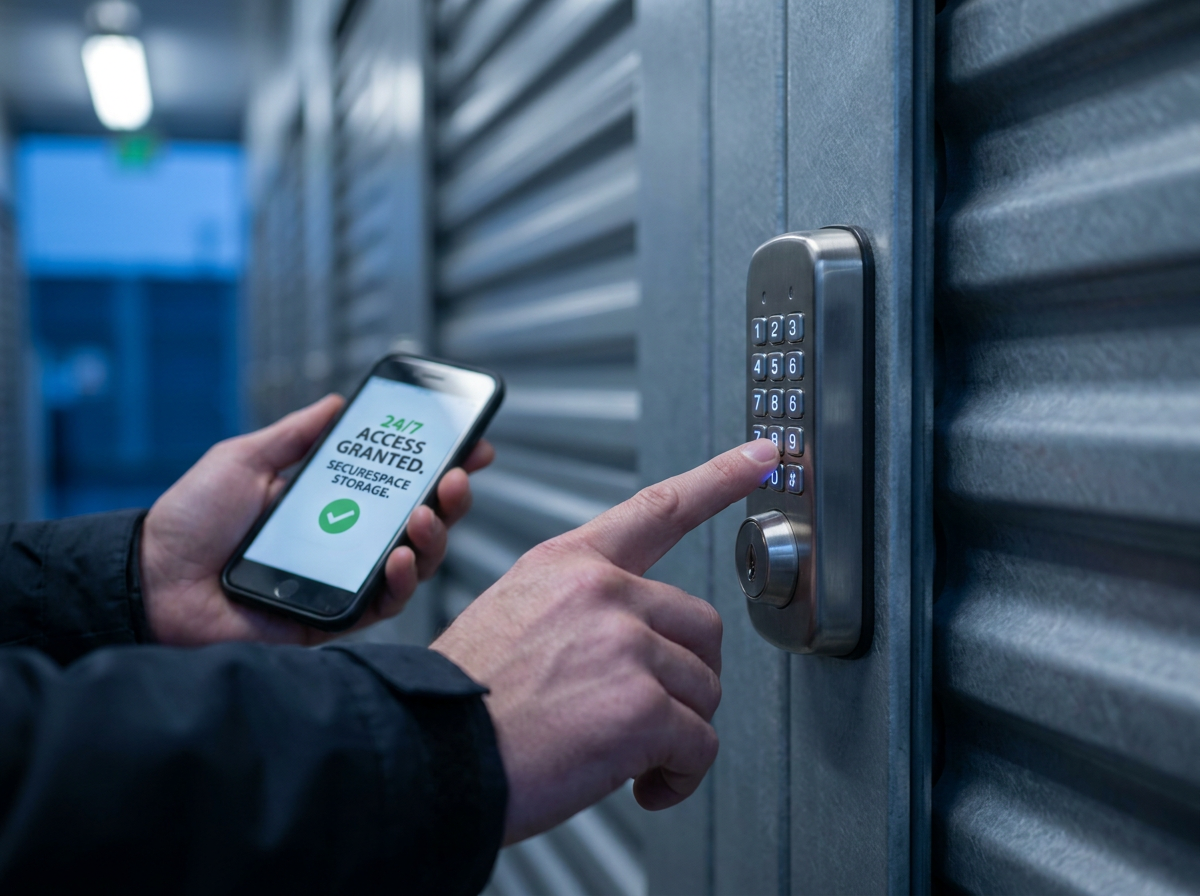
Drive-up storage units eliminate the logistical challenges of moving bulky outdoor equipment. Loading a kayak through hallways and elevators is impractical; drive-up access allows direct vehicle-to-unit transfer. As a locally owned Moab storage facility, understanding adventurer needs shapes facility design.
The 24/7 access feature proves essential for outdoor enthusiasts. Early morning departures for Arches National Park beat crowds and heat. Retrieving bikes at 5 AM for a Slickrock sunrise session requires unrestricted access that standard business-hours facilities cannot provide.
Loading Efficiency Tips
Position frequently accessed items near the unit door. Bikes used weekly should hang on front-wall hooks, while seasonal gear occupies rear storage. Create a center aisle for easy navigation to back items without moving front equipment.
Use clear plastic bins with labels facing outward for small items. Group gear by activity: climbing equipment together, camping supplies together, bike tools and parts together. This organization reduces retrieval time and prevents forgotten items.
Security Considerations for Valuable Gear
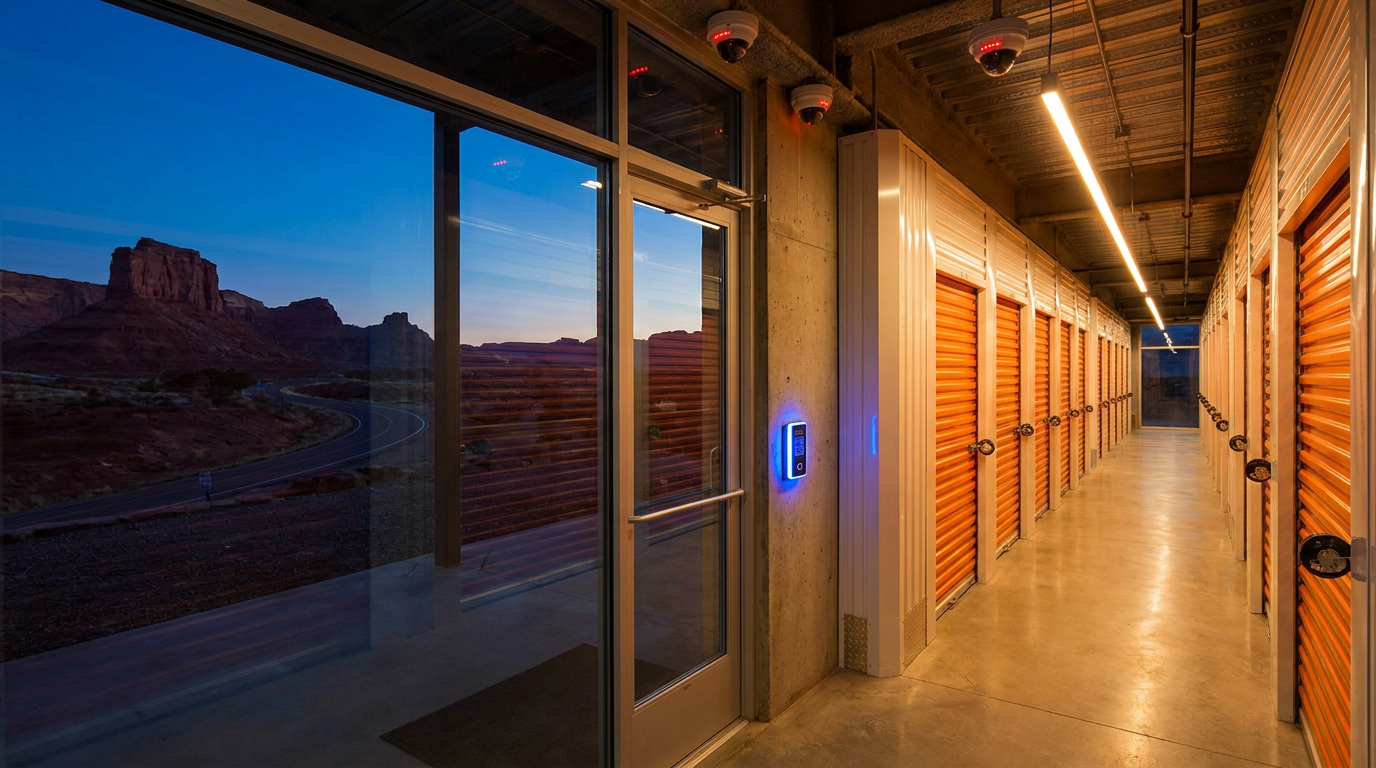
Outdoor equipment theft remains a concern in recreation-focused communities. High-end mountain bikes, climbing gear, and water sports equipment hold significant resale value. Digital video surveillance and access control systems provide baseline security, but additional measures protect valuable collections.
Document all stored items with photographs and serial numbers. Register bikes with the Bike Index national database, which has recovered over $15 million in stolen bikes since 2013. Keep receipts and warranty cards for insurance documentation.
Insurance and Protection Options
Standard homeowner's or renter's insurance may cover stored belongings, but policies vary. Check coverage limits and exclusions before assuming protection extends to storage units. The frequently asked questions page addresses common insurance inquiries.
Dedicated storage protection plans cover burglary, fire, and water damage specific to stored items. These plans typically cost $10 to $25 monthly and provide $2,000 to $10,000 in coverage, appropriate for most outdoor gear collections.
Cost Comparison: Storage vs. Alternatives
Evaluating storage costs against alternatives helps justify the investment. Transporting gear from out-of-state costs $200 to $500 per round trip in fuel and vehicle wear. Replacing gear damaged by improper home storage exceeds annual storage costs quickly.
| Option | Annual Cost | Pros | Cons |
|---|---|---|---|
| 5x10 Storage Unit | $1,050 | 24/7 access, secure, organized | Monthly cost, off-site location |
| Transport Each Trip | $800 to $2,000+ | Gear always with you | Vehicle wear, time, fuel costs |
| Rent Gear Locally | $1,500 to $3,000+ | No storage needed | Unfamiliar equipment, availability issues |
| Home Garage Storage | $0 | No additional cost | Space limitations, climate exposure |
For visitors making 3+ trips annually to Moab, dedicated storage typically saves money compared to repeated gear transport. The convenience of arriving and immediately accessing ready-to-use equipment adds significant value beyond direct cost savings.
Getting Started with Outdoor Gear Storage
The rental process takes approximately 60 seconds online with no deposit required. Month-to-month terms allow flexibility for seasonal visitors who may need storage for only 6 to 8 months annually. Contact the storage team for specific questions about unit availability and gear storage recommendations.
Visit the facility at 1081 S Main Street, conveniently located just off U.S. Highway 191 in central Moab. The location provides easy access whether arriving from Arches National Park to the north or Dead Horse Point State Park to the southwest.
Prepare gear using the guidelines above before your first storage visit. Proper preparation on day one prevents damage and maintains equipment value throughout the storage period. Bring organization supplies including bins, hooks, and labels to maximize unit efficiency from the start.
|