Self Storage Security: What Features Actually Matter in 2026 |
| SELF STORAGE SECURITY: WHAT FEATURES ACTUALLY MATTER
⏱ 11 min read ·
📄 #2,182 words
Learn which self storage security features truly protect your belongings. Expert guide covers cameras, access control, locks, and lighting for Moab, Utah.
|
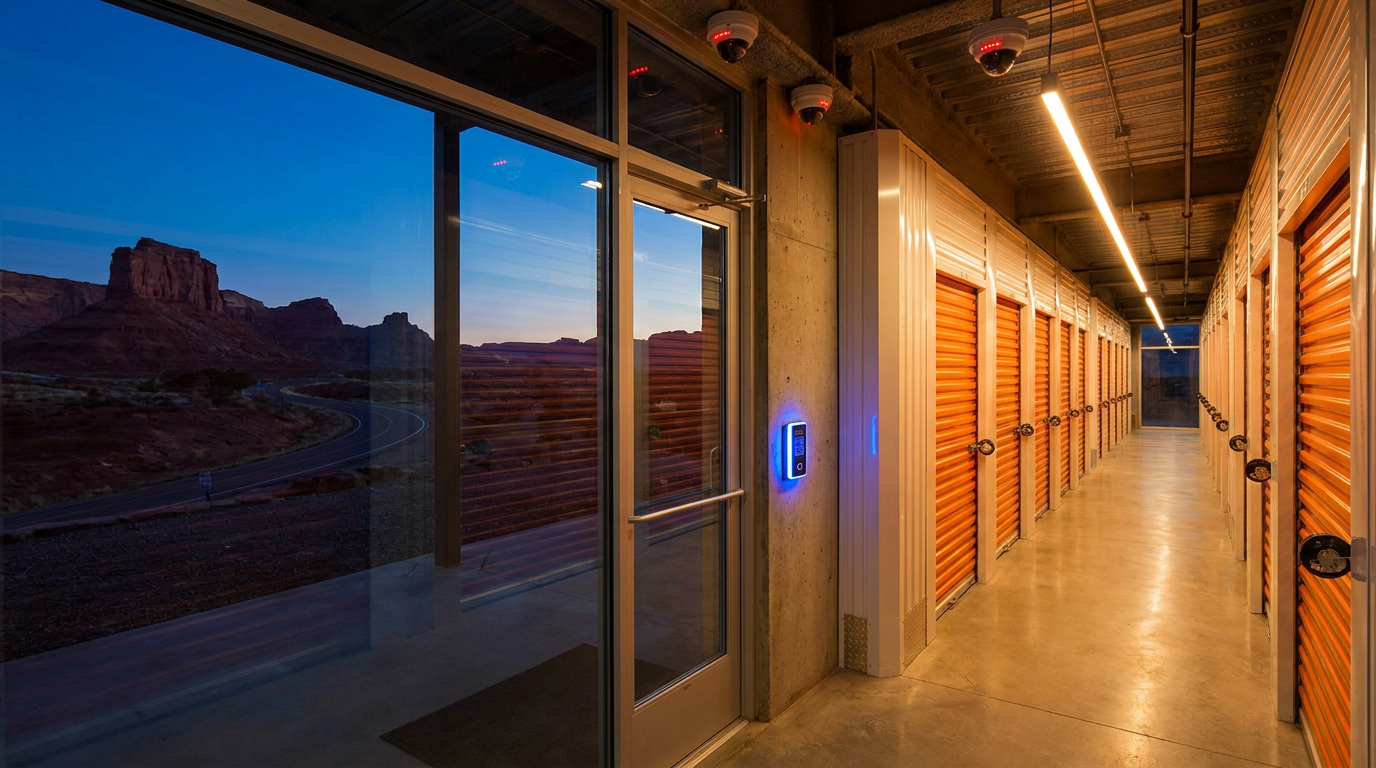
T he security features that protect your belongings in self storage are perimeter fencing with controlled gate access, individual entry codes that log every visit, modern surveillance cameras covering all drive aisles, bright lighting throughout the facility, and high-security disc locks on unit doors. These five elements work together to create multiple layers of protection.
| Key Points: | |
|---|---|
| • | Individual gate codes with entry logging reduce unauthorized access by creating accountability for every visit |
| • | Disc locks outperform standard padlocks because the enclosed shackle leaves no exposed metal for bolt cutters |
| • | Facilities with smart camera systems report 30% fewer break-ins and 90% faster incident response times |
| • | Bright, uniform lighting across drive aisles and keypads is essential for both safety and camera effectiveness |
| • | On-site management and clean facility maintenance are strong indicators of overall security quality |
Why Security Levels Vary Dramatically Between Facilities
Not all self storage facilities offer the same protection. According to Bolt Storage's security analysis, the level of protection between different facilities can be dramatically different, even within the same city. A facility with a fence but no controlled gate access provides minimal security compared to one with electronic entry, surveillance, and proper lighting.
The Self Storage Association reports that facilities with comprehensive security systems experience significantly fewer incidents than those relying on basic measures alone. Understanding which features provide real protection versus which are merely cosmetic helps you make an informed decision.
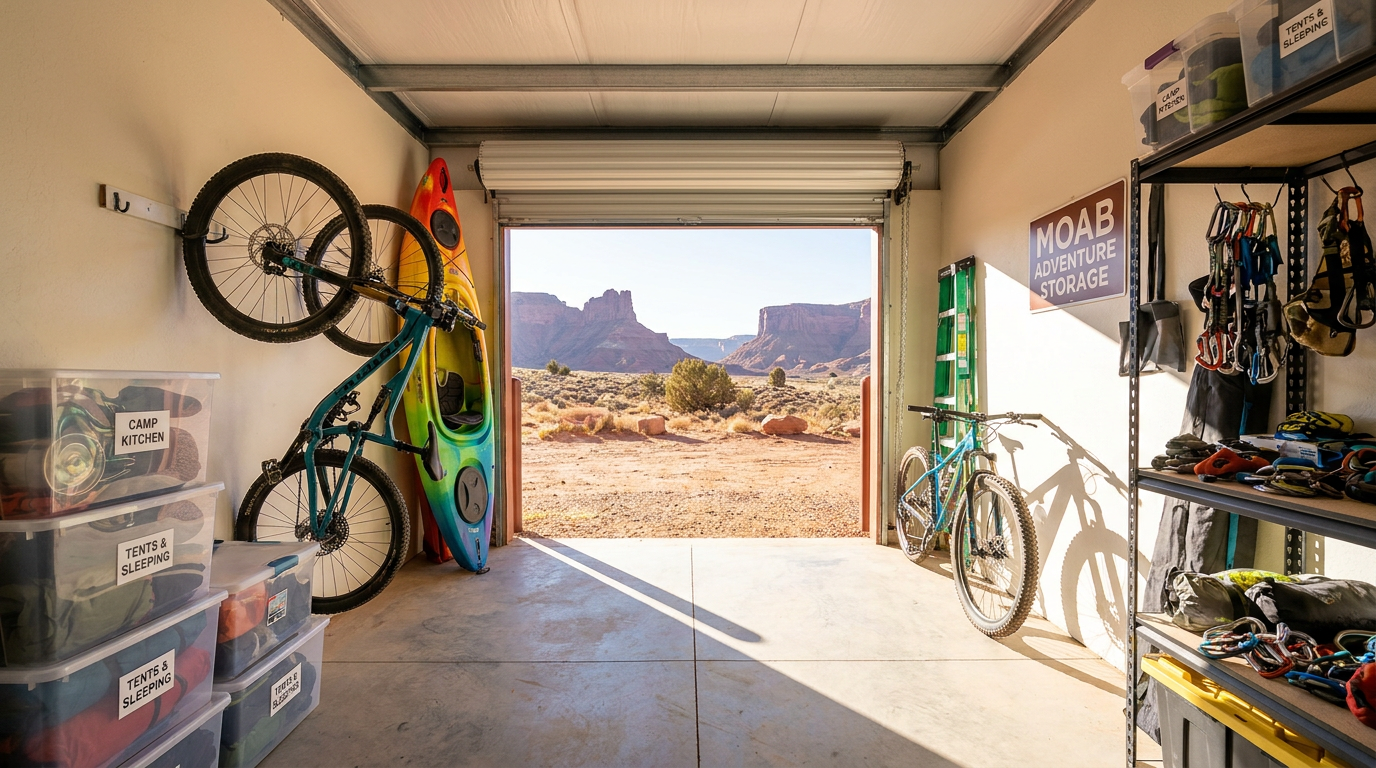
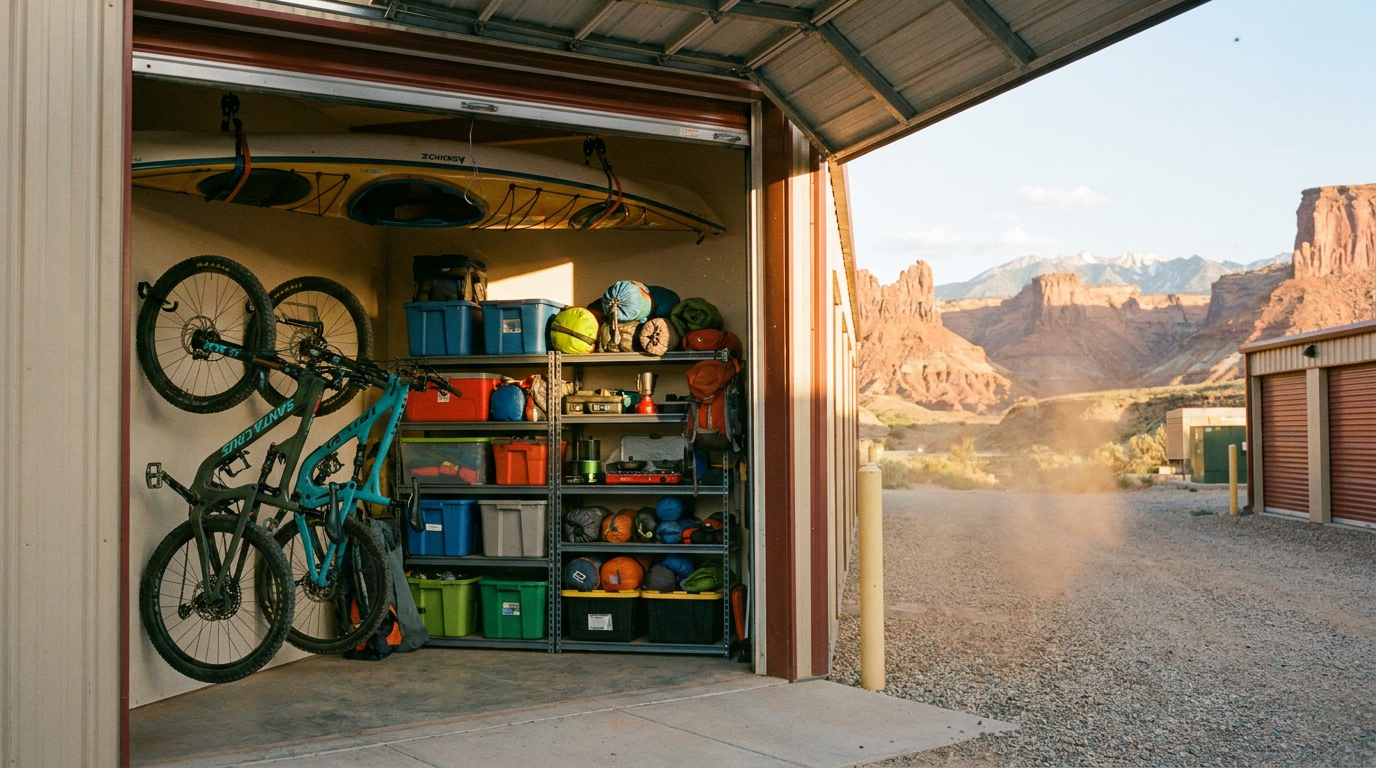
For Moab Valley residents storing outdoor gear, business inventory, or household items during a move, choosing a facility with the right security combination protects your investment. Here in southeastern Utah, where many customers store recreational equipment worth thousands of dollars, security should be a primary decision factor.
Perimeter Security: Your First Line of Defense
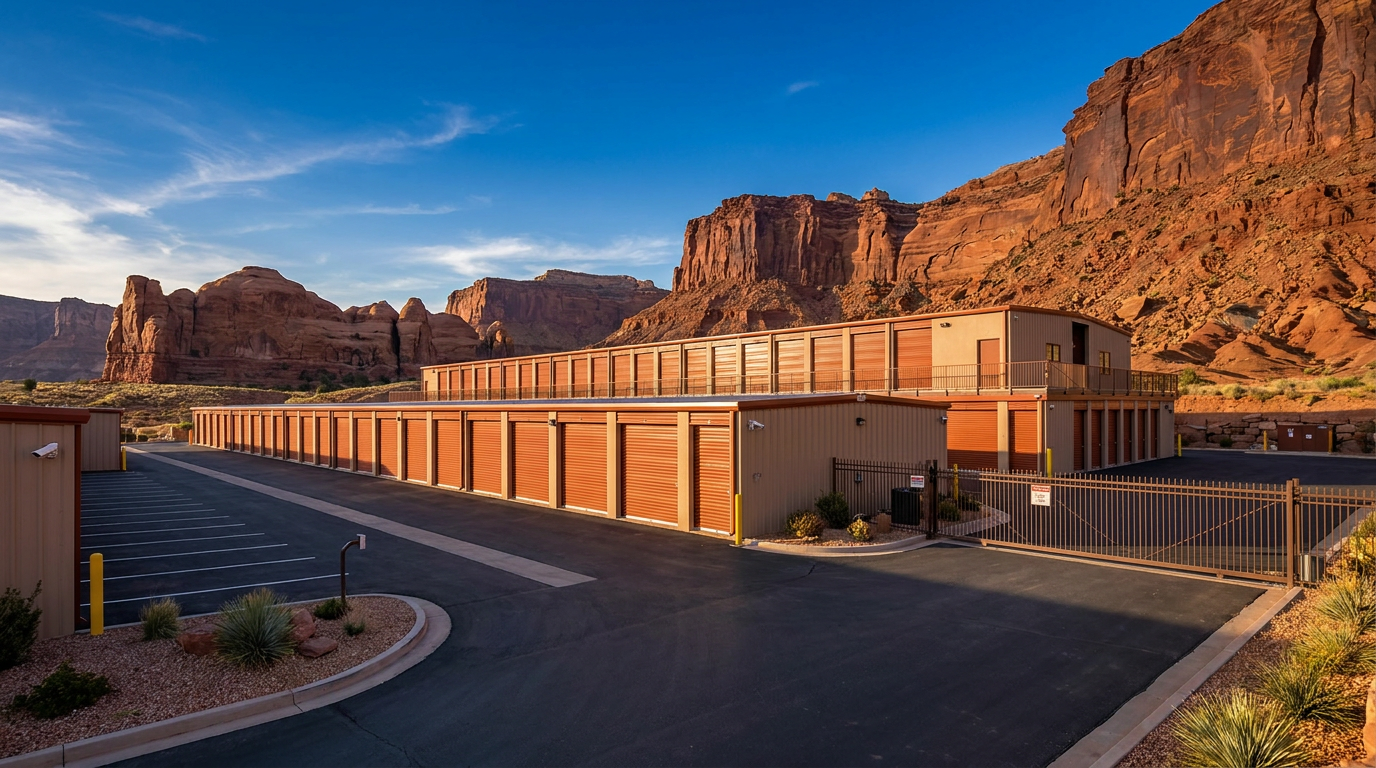
Effective perimeter security combines multiple elements rather than relying on a single barrier. A fence alone provides minimal protection if the gate remains open or uses a shared access code that anyone can obtain.
The critical components of strong perimeter security include:
- Continuous fencing that fully encloses the property with no gaps, low points, or easy climbing spots
- Limited entry points with one primary gate (plus emergency exit) that concentrates monitoring efforts
- Motorized gate systems with electronic access control that physically prevents unauthorized entry
Chain-link fencing with barbed wire or solid panel fencing both work effectively when properly maintained. The key is ensuring the fence connects to a controlled gate system. According to industry data from Storable's operator guide, facilities with electronic gate systems experience far fewer trespassing incidents than those with simple padlocked entrances.
Access Control: The Most Important Differentiator
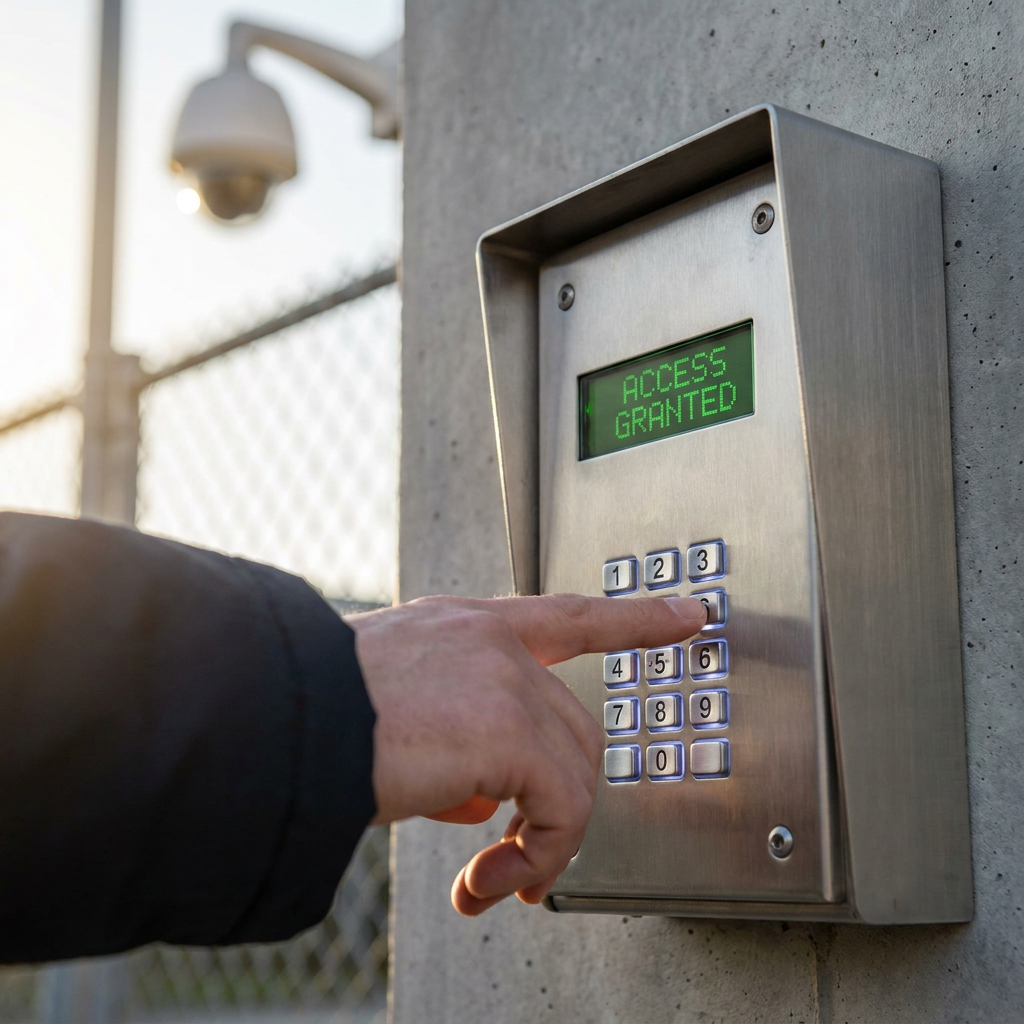
Access control separates secure facilities from basic ones. The difference between a facility where anyone can enter versus one that tracks every visit is substantial. Individual gate codes create accountability and provide investigators with critical information if an incident occurs.
High-Value Access Features
Individual PIN codes assigned to each renter log every entry and exit with timestamps. This creates an audit trail that deters theft and helps identify suspicious patterns. If something goes missing, management can review who accessed the facility during the relevant timeframe.
Time-controlled access allows facilities to restrict entry during certain hours or immediately lock out specific codes when a renter moves out or reports a lost code. Keycard and RFID systems offer similar benefits with faster entry and easier code revocation.
Warning Signs to Avoid
Shared codes posted at the gate or given to all renters eliminate the accountability that makes access control valuable. Gates that frequently remain open during or after office hours negate the entire system. Before renting, visit the facility at different times to observe whether the gate actually stays closed and requires code entry.
At Moab Self Storage, each customer receives a unique gate code that provides 24/7 access while maintaining a complete record of facility entry. This balance of convenience and security serves both residents who need evening access and business owners managing inventory.
Surveillance Cameras: Deterrent and Evidence
Security cameras serve two distinct purposes: deterring potential thieves and providing evidence if an incident occurs. However, camera effectiveness depends entirely on placement, quality, and retention policies.
What Camera Coverage Should Include
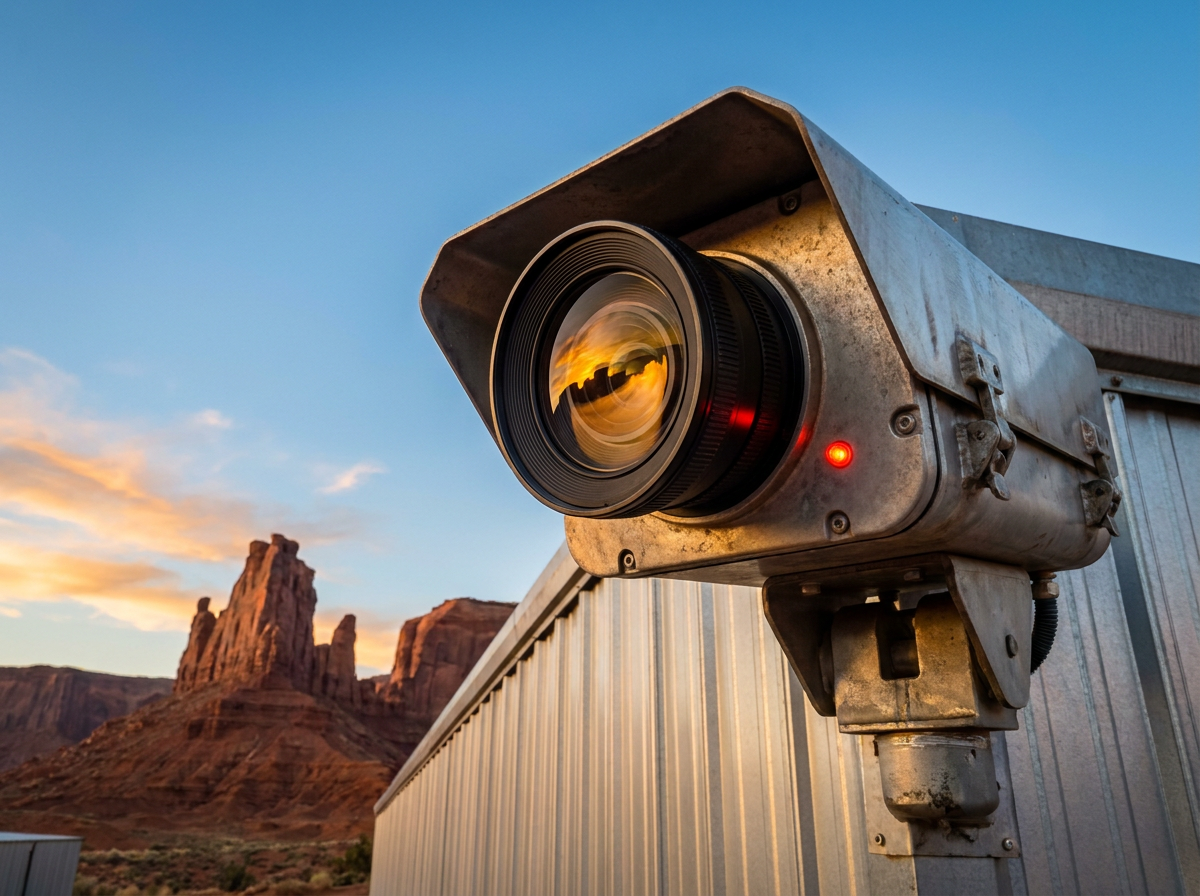
Comprehensive surveillance covers the main gate, all pedestrian entrances, drive aisles between unit rows, and office or payment areas. Cameras should capture license plates at entry points and provide clear views of anyone approaching individual units. According to Avigilon's self storage security guide, strategic camera placement matters more than total camera count.
Modern digital systems with higher resolution make footage actually usable for identification. Older analog systems often produce grainy images that cannot identify faces or read license plates. Ask facilities about their camera technology and whether footage is stored locally or in the cloud.
Retention Period Matters
Storage facilities typically retain footage for 30 to 90 days. Since theft from storage units is often discovered days or weeks after it occurs, longer retention periods provide better protection. Ask specifically how long footage is kept before being overwritten.
Advanced facilities are implementing cloud-based platforms with AI-powered analytics that flag unusual activity. One facility reported a 30% reduction in break-ins and 90% faster response times after installing next-generation smart cameras and sensors.
Lighting: The Underrated Security Essential
Lighting is consistently undervalued by renters but critically important for both safety and camera effectiveness. Criminals avoid well-lit areas, and surveillance cameras require adequate light to capture usable footage.
| Area | Lighting Requirement | Why It Matters |
|---|---|---|
| Gate and keypad | Bright, direct lighting | Enables code entry and camera identification |
| Drive aisles | Uniform coverage, no dark spots | Safe vehicle navigation and surveillance coverage |
| Unit fronts | Sufficient to see locks and doors | Tenant safety and tampering detection |
| Parking and loading | Full illumination | Personal safety during loading and unloading |
Burned-out bulbs, dark corners, or uneven lighting indicate poor property management. Before renting, visit the facility after sunset to evaluate lighting conditions. You should feel comfortable accessing your unit in the evening and clearly see locks, doors, and your surroundings.
For drive-up facilities like those common in Moab, lighting serves both security and convenience purposes. Customers accessing units early morning before outdoor adventures or late evening after work need adequate illumination.
Locks: Your Personal Security Layer
The lock on your unit door represents your personal contribution to security. Facility-level protection means nothing if your lock can be cut in seconds with basic tools.
Disc Locks: The Gold Standard
Disc locks are widely considered the best option for storage units. Their short, enclosed shackle leaves almost no exposed metal for bolt cutters to grip. The circular design also resists prying attempts. Quality disc locks from manufacturers like Master Lock, ABUS, or American Lock cost $15 to $40 and provide years of protection.
Cylinder Locks: Built-In Protection
Heavy-duty cylinder locks fit directly into the door latch mechanism, eliminating the external shackle entirely. These are highly recommended by security professionals but require compatible door hardware. Some facilities provide cylinder locks as part of the rental.
Locks to Avoid
Basic combination locks, cable locks, and any lock with a long exposed shackle provide minimal protection against determined thieves. Standard padlocks with 1-inch or longer shackles can be cut with readily available bolt cutters in under 10 seconds. According to Safeguard Self Storage's security guide, weak locks are a primary factor in opportunistic theft.
Many secure facilities either sell disc locks on-site or require their use. This policy protects both the renter and the facility's reputation.
On-Site Management and Property Upkeep
Security extends beyond hardware to operational practices. How a facility is managed and maintained provides strong indicators of actual security quality.
On-site staff during business hours deter trespassing and respond quickly to suspicious activity. A manager who walks the property regularly notices cut locks, damaged doors, or unfamiliar vehicles. This human element complements electronic systems.
A clean, well-maintained property signals active management. Broken lights, damaged fences, trash accumulation, or overgrown landscaping indicate neglect that extends to security systems. Opportunistic criminals target facilities that appear unmonitored.
As a locally owned and operated facility, Moab Self Storage maintains direct owner involvement in daily operations. This local accountability differs from chain facilities where distant corporate offices make decisions.
Advanced Security: Unit Alarms and Smart Technology
Some facilities add individual unit alarms and newer smart devices for additional protection layers beyond perimeter security and surveillance.
Individual unit alarms use door contact sensors that alert staff when a door opens without proper disarming. This provides unit-level monitoring rather than relying solely on perimeter protection. The technology adds particular value for after-hours access.
Smart security platforms integrate cameras, sensors, and access control into unified systems with remote monitoring capabilities. Environmental sensors can detect motion, water intrusion, or temperature changes. These advanced features are more common in newer or premium facilities.
How to Evaluate Security Before Renting
Before signing a rental agreement, conduct your own security assessment. Visit the facility at different times, including after dark, to observe actual conditions rather than relying on marketing claims.
Questions to Ask the Manager
- Are gate codes individual or shared among all renters?
- How long is surveillance footage retained?
- What type of lock do you recommend or require?
- How often does staff walk the property?
- When were security systems last updated?
What to Observe During Your Visit
- Does the gate actually close and require code entry?
- Are cameras visible and positioned to cover unit rows?
- Is lighting adequate throughout the facility?
- Are fences intact with no gaps or damage?
- Does the property appear clean and well-maintained?
Trust your instincts. If a facility feels neglected or security measures seem more theatrical than functional, consider alternatives. View our facility photos and video to see what a well-maintained property looks like.
Insurance: Your Financial Safety Net
Even excellent facility security cannot guarantee zero incidents. Tenant insurance provides the financial protection that makes you whole after theft, fire, or water damage.
Most facilities either require or strongly recommend tenant protection plans. Coverage typically includes burglary, fire, water damage, and other specified perils. Monthly costs range from $10 to $30 depending on coverage limits.
Document your stored items with a written inventory and photos or video before closing your unit. This documentation supports any insurance claim and helps you remember exactly what you stored. Learn more about our tenant protection plan that covers common storage risks.
Items That Should Never Go in Storage
Regardless of security features, certain items belong in a safe deposit box or home safe rather than a storage unit:
- Cash, coins, or currency of any kind
- Fine jewelry, precious metals, or gemstones
- Irreplaceable family documents or photographs
- Passports, birth certificates, or legal documents
- Firearms (check local regulations)
- Perishable food or hazardous materials
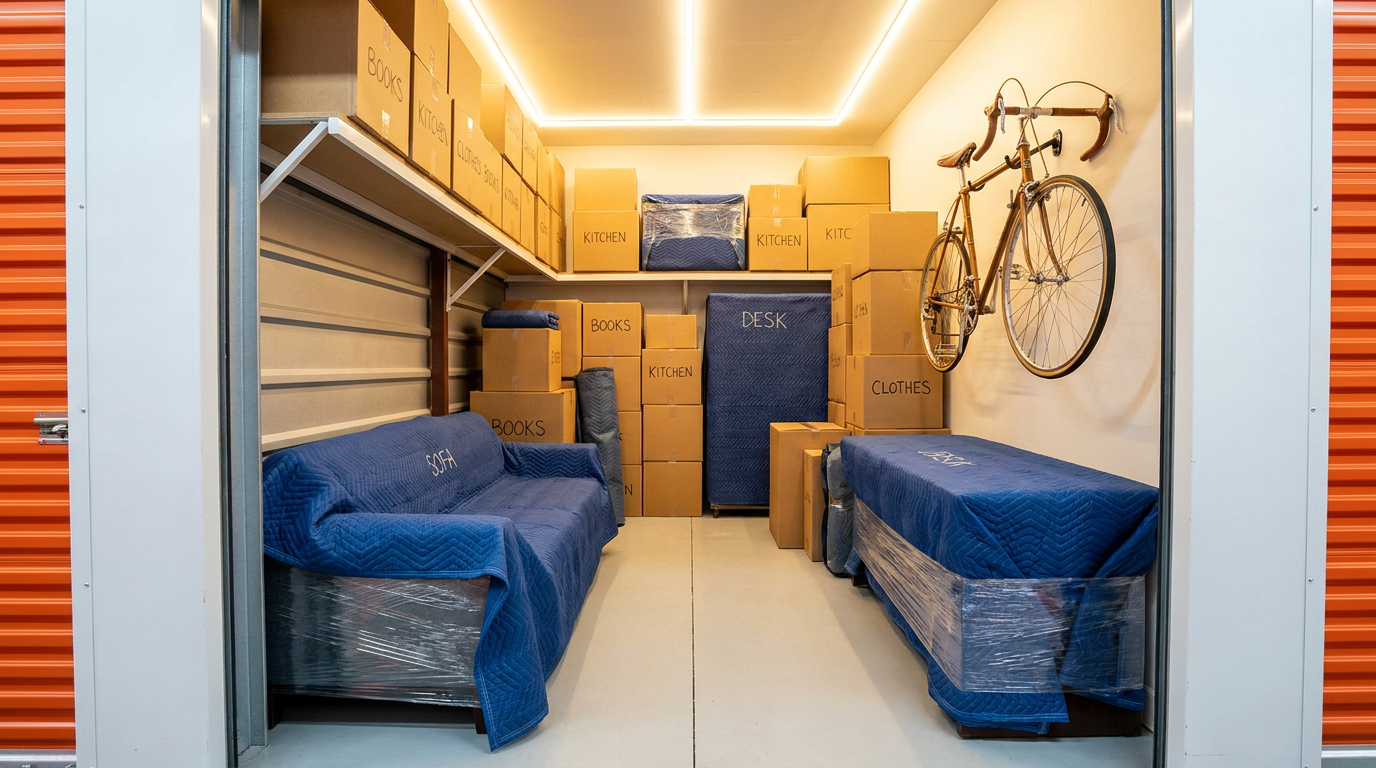
Storage facilities are designed for household goods, furniture, business inventory, and recreational equipment. High-value irreplaceable items require bank-level security that self storage cannot provide.
The Four Ds of Self Storage Security
Security professionals use the "Four Ds" framework to evaluate protection systems: Deter, Detect, Delay, and Deny.
Deter involves visible security measures that discourage criminals from attempting entry. Fencing, cameras, lighting, and signage all serve deterrent functions.
Detect means identifying unauthorized access attempts through surveillance, motion sensors, or alarm systems. Detection enables response.
Delay creates obstacles that slow down intruders, giving response time. Strong locks, solid doors, and multiple security layers all contribute to delay.
Deny represents the ultimate goal of preventing unauthorized access entirely through the combination of all security measures.
Evaluate any facility against all four criteria rather than focusing on a single feature.
Bed Bugs and Storage Units: Separating Fact from Fiction
Bed bug concerns occasionally arise with storage units, but the risk is lower than many assume. Bed bugs require human hosts to survive long-term and cannot establish populations in empty storage units.
The primary risk comes from storing infested furniture or mattresses. If you are storing upholstered items, inspect them carefully before placing them in storage. Encasing mattresses in protective covers provides additional protection.
Clean, well-maintained facilities with concrete floors and metal unit construction offer minimal harborage for pests of any kind.
Security Features Comparison by Facility Type
| Feature | Basic Facility | Standard Facility | Premium Facility |
|---|---|---|---|
| Perimeter fence | Partial | Complete | Complete with anti-climb |
| Gate access | Shared code or none | Individual codes | Individual codes with logging |
| Cameras | Gate only | Gate and aisles | Comprehensive with AI analytics |
| Lighting | Minimal | Adequate | Bright and uniform |
| On-site staff | Rarely | Business hours | Extended hours or resident |
| Unit alarms | No | Optional | Standard |
Making the Right Choice for Moab
Moab presents unique storage considerations. Outdoor enthusiasts store expensive mountain bikes, kayaks, and camping gear. Business owners need secure inventory storage. Seasonal residents require year-round protection for belongings they cannot monitor regularly.
The combination of 24/7 access with proper security measures serves these diverse needs. Digital video surveillance and access control protect your belongings while drive-up convenience allows easy loading of recreational equipment.
Check our frequently asked questions for more details about facility features, or contact our team directly with specific security questions.
|