Vehicle, Trailer, and Toy Storage in Moab: Complete Guide |
| VEHICLE, TRAILER, AND TOY STORAGE IN MOAB: WHAT TO KNOW
⏱ 11 min read ·
📄 #2,159 words
Learn where to store vehicles, trailers, ATVs, and toy haulers in Moab, Utah. Covers unit sizes, desert storage prep, local parking rules, and 24/7 access.
|
M oab offers several vehicle and trailer storage options, including drive-up units sized 10x20 to 10x30 feet and covered parking spaces with electrical hookups. Storage costs range from $139 to $374 per month depending on size, with most facilities providing 24/7 access for early morning trail departures or river trip launches.
| Key Points: | |
|---|---|
| • | 10x20 units accommodate most single vehicles; 10x30 units fit trucks with trailers attached |
| • | Desert storage requires battery disconnection, tire pressure checks, and fuel stabilizer for stays over 30 days |
| • | Grand County parking rules require all vehicles and trailers to fit within assigned parking areas |
| • | Covered parking with electrical hookups protects against UV damage and maintains battery charge |
| • | Month-to-month leases provide flexibility for seasonal visitors and second-home owners |
What Vehicles and Equipment Can You Store in Moab?
Self-storage facilities in Moab accept a wide range of recreational vehicles and outdoor equipment. The combination of drive-up access and varied unit sizes makes storing everything from motorcycles to full-size toy haulers straightforward.
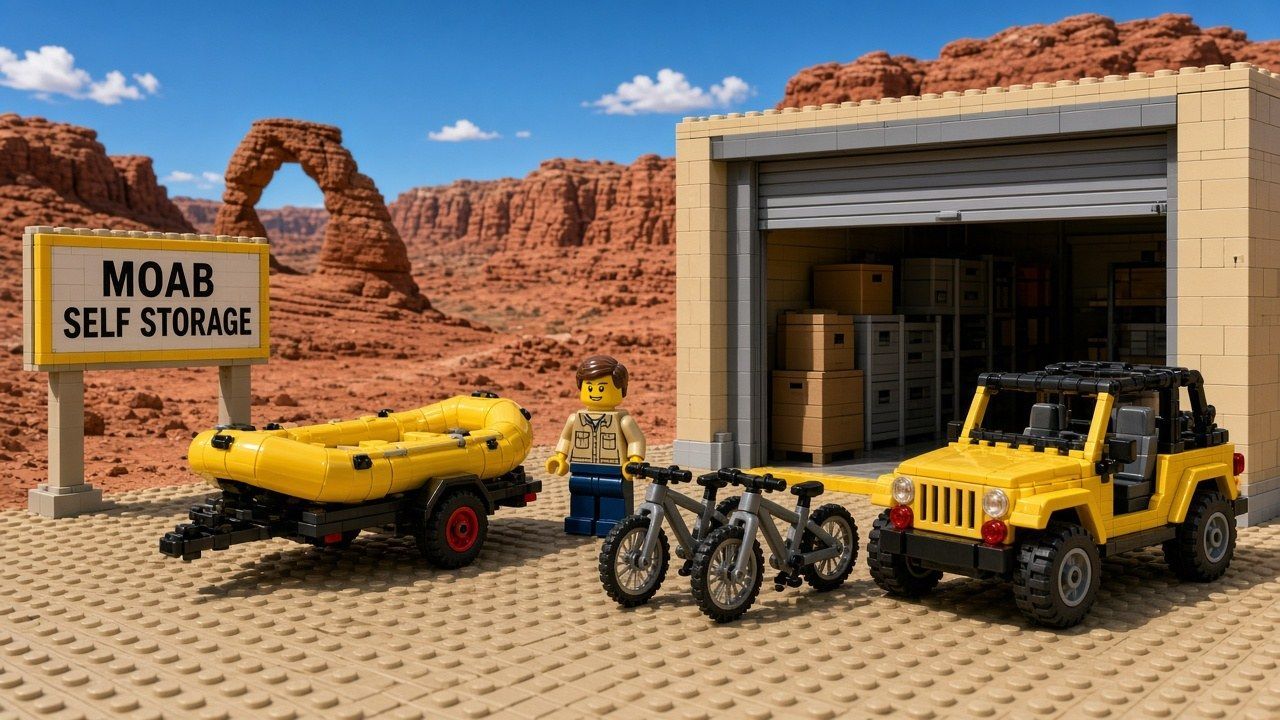
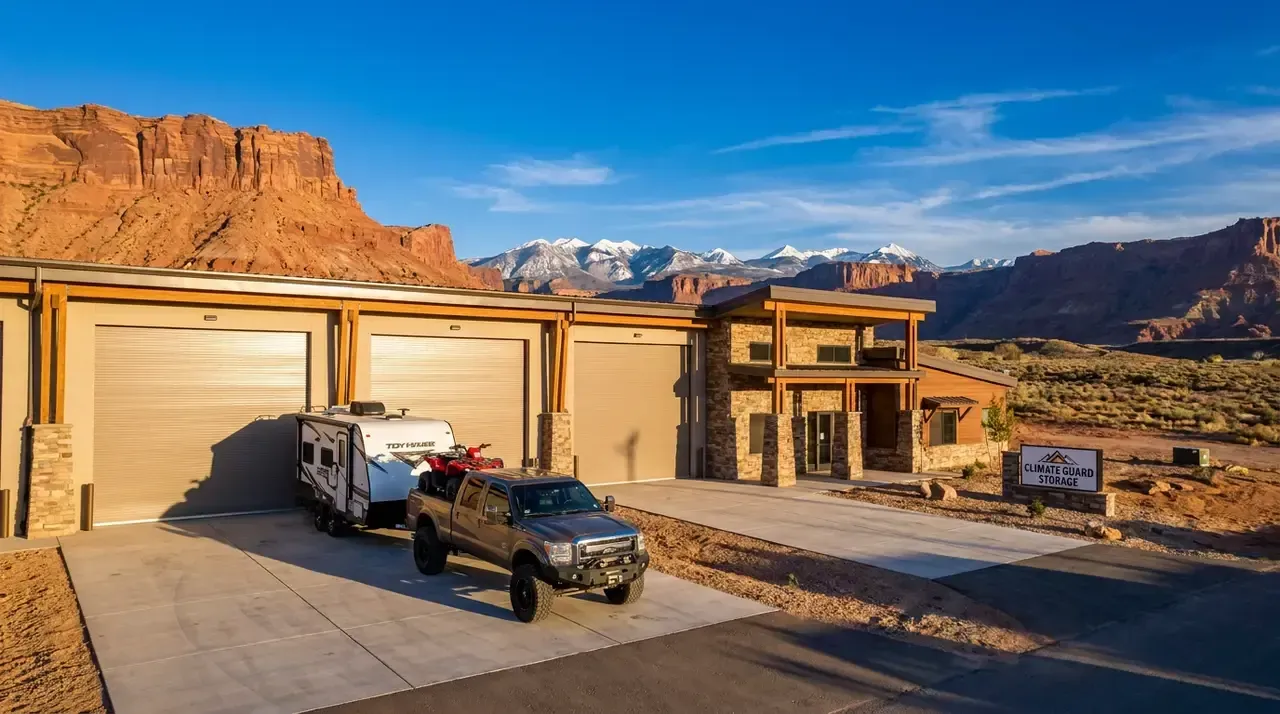
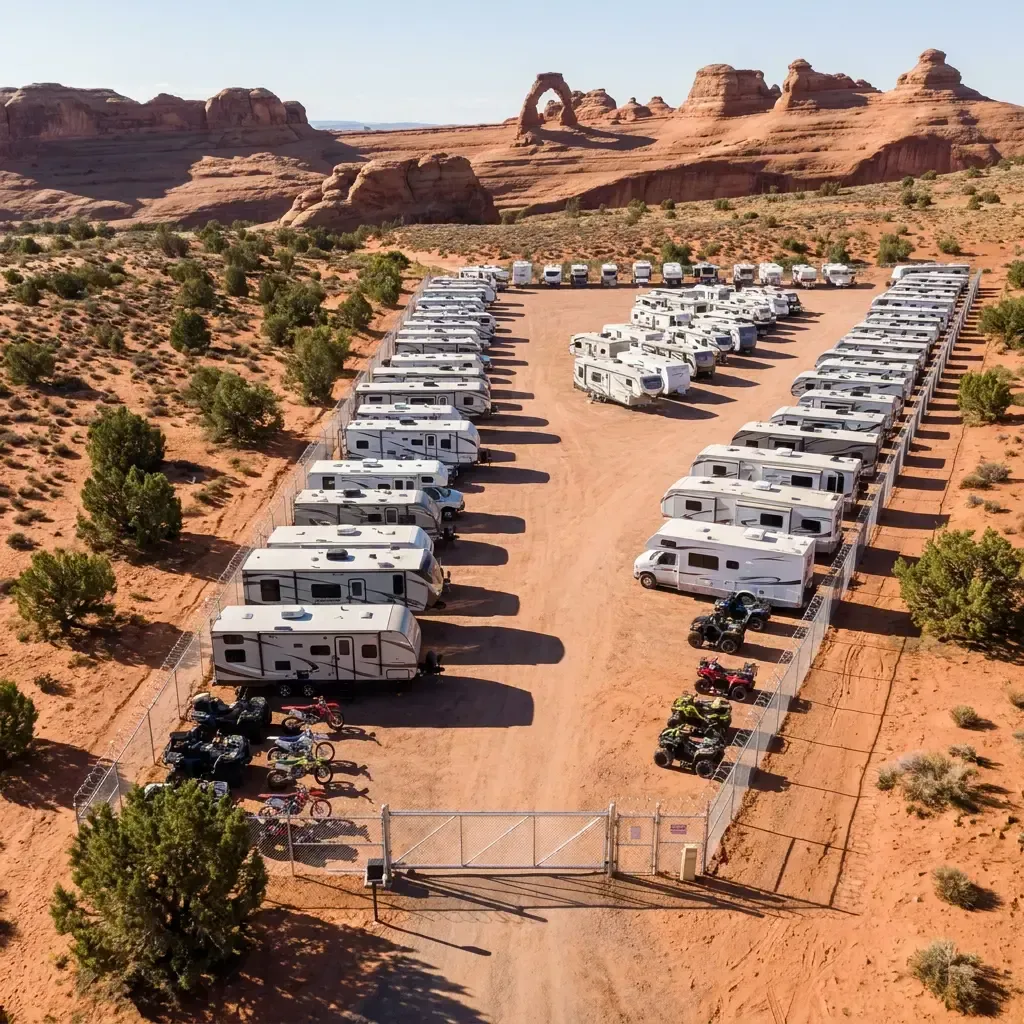
Common items stored at Moab facilities include cars, trucks, SUVs, motorcycles, ATVs, UTVs (side-by-sides), dirt bikes, boat trailers, utility trailers, toy haulers, camper trailers, and enclosed cargo trailers. Some facilities also accommodate larger RVs in designated outdoor parking areas.
According to Grand County regulations, all vehicles and trailers must fit within assigned parking areas at campgrounds and recreational sites. This rule drives significant demand for off-site storage among residents who own multiple recreational vehicles but lack adequate home parking.
Storage Unit Sizes for Vehicles and Trailers
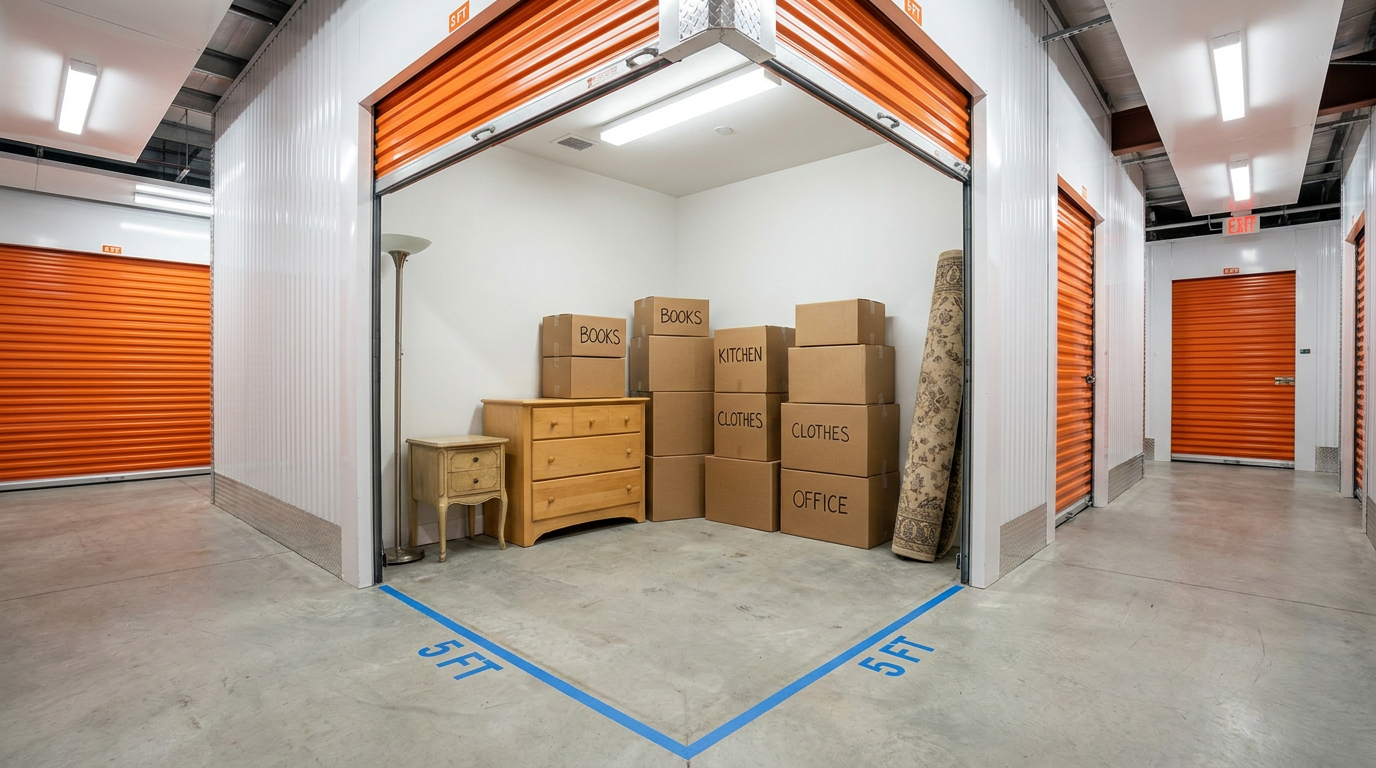
Choosing the correct unit size prevents damage from tight fits and wasted money on excess space. The following table outlines standard unit dimensions and their ideal uses for vehicle and trailer storage.
| Unit Size | Square Feet | Best For | Monthly Cost |
|---|---|---|---|
| 10x10 | 100 sq ft | Motorcycles, ATVs, small utility trailers | $114.50 |
| 10x15 | 150 sq ft | Side-by-sides, jet skis, compact cars | $139.50 |
| 10x20 | 200 sq ft | Full-size vehicles, boats up to 18 feet | $374 |
| 10x30 | 300 sq ft | Trucks with trailers, toy haulers, large RVs | Contact facility |
When measuring your vehicle or trailer, add 2 to 3 feet to both length and width measurements. This extra space accounts for mirrors, hitches, and maneuvering room. A Polaris RZR side-by-side measuring 64 inches wide and 119 inches long fits comfortably in a 10x15 unit with room to walk around it.
For detailed measurements and recommendations, consult our storage unit size guide which includes visual comparisons and capacity estimates for each unit type.
Desert Climate Storage Considerations
Moab's high desert climate presents specific challenges for vehicle storage. Summer temperatures regularly exceed 100°F, while winter nights can drop below 20°F. Annual rainfall averages just 9 inches, but dust storms occur frequently during spring and fall.
Heat and UV Protection
Extended sun exposure degrades rubber components, fades paint, and cracks dashboard materials. Covered parking or enclosed units block 95% of UV radiation. For outdoor storage, invest in breathable vehicle covers rated for desert conditions, typically costing $150 to $400 depending on vehicle size.
Interior temperatures in unshaded vehicles can reach 150°F during summer months. Remove electronics, aerosol cans, and anything with lithium batteries before storing. Cracked screens and exploded batteries rank among the most common heat-related storage damage claims.
Dust and Sand Management
Fine red sand penetrates seals and accumulates in air filters, brake components, and engine compartments. Before storing, wash the vehicle thoroughly and apply a coat of wax. Place moisture-absorbing packets inside the cabin to prevent humidity fluctuations from causing mold growth.
For trailers and open vehicles like ATVs, consider breathable tarps that allow airflow while blocking dust. Sealed plastic covers trap moisture and accelerate corrosion in Moab's temperature swings.
Preparing Vehicles for Long-Term Storage
Proper preparation prevents the mechanical issues and cosmetic damage that commonly affect stored vehicles. The following checklist applies to storage periods exceeding 30 days.
Mechanical Preparation
Fuel system: Fill the tank to 95% capacity and add fuel stabilizer (1 ounce per 2.5 gallons). Run the engine for 10 minutes to circulate treated fuel through the system. Sta-Bil and Sea Foam are industry-standard stabilizers available at O'Reilly Auto Parts and NAPA locations in Moab.
Battery maintenance: Disconnect the negative terminal or use a battery maintainer. Lead-acid batteries lose 1% charge per day at 77°F, meaning a fully charged battery drops to 50% within two months. Facilities with electrical hookups allow continuous trickle charging.
Tire care: Inflate tires to the maximum recommended PSI listed on the sidewall. This prevents flat spots from forming during extended parking. For storage beyond 6 months, consider jack stands to remove weight from the tires entirely.
Fluid levels: Top off all fluids including coolant, brake fluid, and windshield washer. Fresh oil prevents acidic buildup from damaging engine components. Change oil before storage if the vehicle has been driven more than 3,000 miles since the last service.
Documentation and Insurance
Maintain valid registration even for stored vehicles. Utah law requires current registration for any vehicle stored on commercial property. Keep copies of registration, insurance cards, and storage contracts in a secure location outside the storage unit.
Standard auto insurance policies may not cover stored vehicles. Contact your insurance provider to confirm coverage terms. Many policies reduce coverage after 30 days of non-use. Our tenant protection plans provide additional coverage for stored vehicles against theft, fire, and weather damage.
Local Parking Rules and Restrictions
Grand County and the City of Moab enforce specific regulations affecting vehicle and trailer storage. Understanding these rules helps determine whether off-site storage is necessary for your situation.
Residential Parking Limitations
Many Moab neighborhoods restrict trailer parking on streets to 72 hours maximum. HOA communities often prohibit visible RV, boat, or trailer storage entirely. Violations result in fines starting at $50 per day after the initial warning period.
Properties in unincorporated Grand County face fewer restrictions but still require adequate setbacks from property lines. Trailers must park on improved surfaces (concrete, asphalt, or gravel) rather than bare dirt to comply with county ordinances.
Recreation Area Rules
Popular staging areas like Sand Flats Recreation Area enforce strict parking requirements. According to Grand County guidelines, all vehicles and trailers must fit within assigned parking areas. Oversized rigs that extend beyond marked boundaries face citations and potential towing.
This regulation particularly affects visitors with large toy haulers or multiple trailers. Storing extra vehicles at a Moab facility before heading to trailheads simplifies compliance and reduces stress at crowded staging areas.
Choosing Between Covered and Uncovered Storage
The decision between covered parking and open-air storage depends on your vehicle type, storage duration, and budget. Both options have distinct advantages for Moab's climate.
Covered Parking Benefits
Covered parking spaces protect against direct sun exposure, reducing interior temperatures by 20 to 40 degrees compared to uncovered lots. This protection extends the life of tires, seals, and exterior finishes. Covered spaces with electrical hookups cost $75 to $150 more per month than uncovered alternatives.
Electrical hookups enable battery maintainers, block heaters during winter, and dehumidifiers for enclosed trailers. For vehicles stored longer than 3 months, the electrical connection often pays for itself in prevented battery replacements.
Enclosed Unit Advantages
Drive-up enclosed units provide maximum protection from weather, dust, and opportunistic theft. A 10x20 unit accommodates most vehicles while leaving room for additional gear storage. The enclosed environment maintains more consistent temperatures and humidity levels than outdoor options.
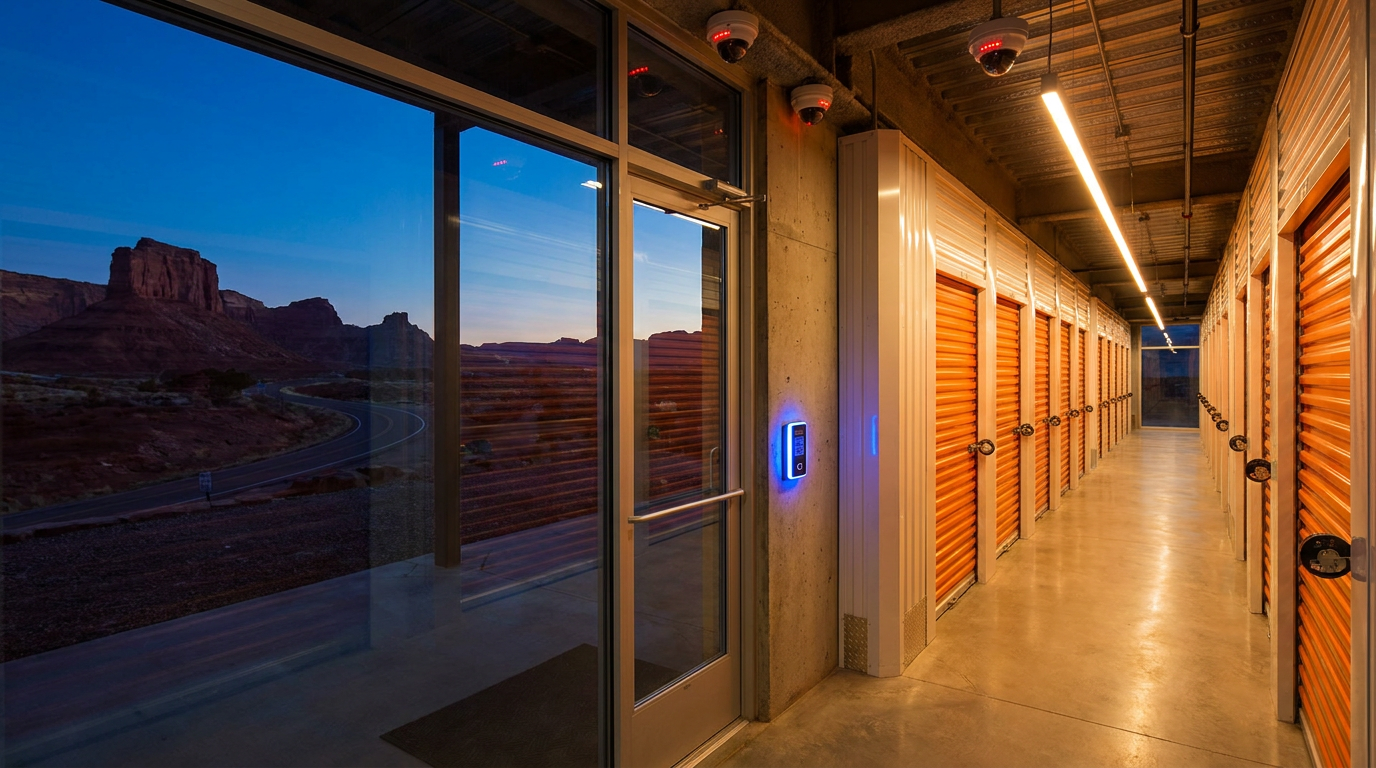
Security cameras, access control systems, and solid walls deter theft more effectively than covered parking. For high-value vehicles, classic cars, or custom builds, enclosed storage justifies the premium cost.
Access and Convenience Factors
Moab's outdoor recreation culture means early morning departures and late evening returns. Storage facility access policies significantly impact the convenience of retrieving vehicles for weekend adventures.
24/7 Access Requirements
Trail systems like Slickrock and Fins N Things see heavy traffic by 7 AM during peak season. River launch times at Potash or Hittle Bottom often require pre-dawn arrivals. Facilities without 24/7 access force awkward scheduling around limited gate hours.
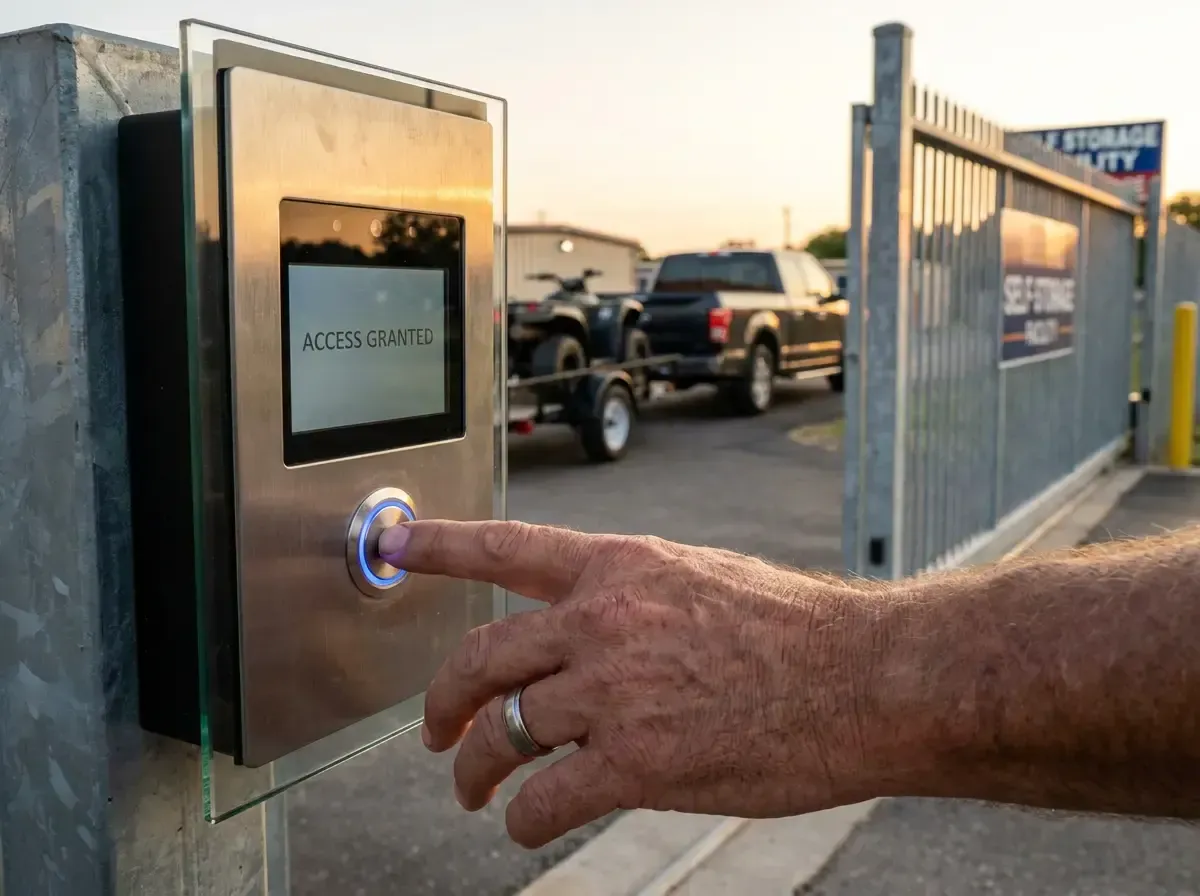
As a locally owned storage facility, Moab Self Storage provides round-the-clock access through secure keypad entry. This flexibility accommodates the unpredictable schedules of outdoor enthusiasts and seasonal visitors.
Drive-Up Accessibility
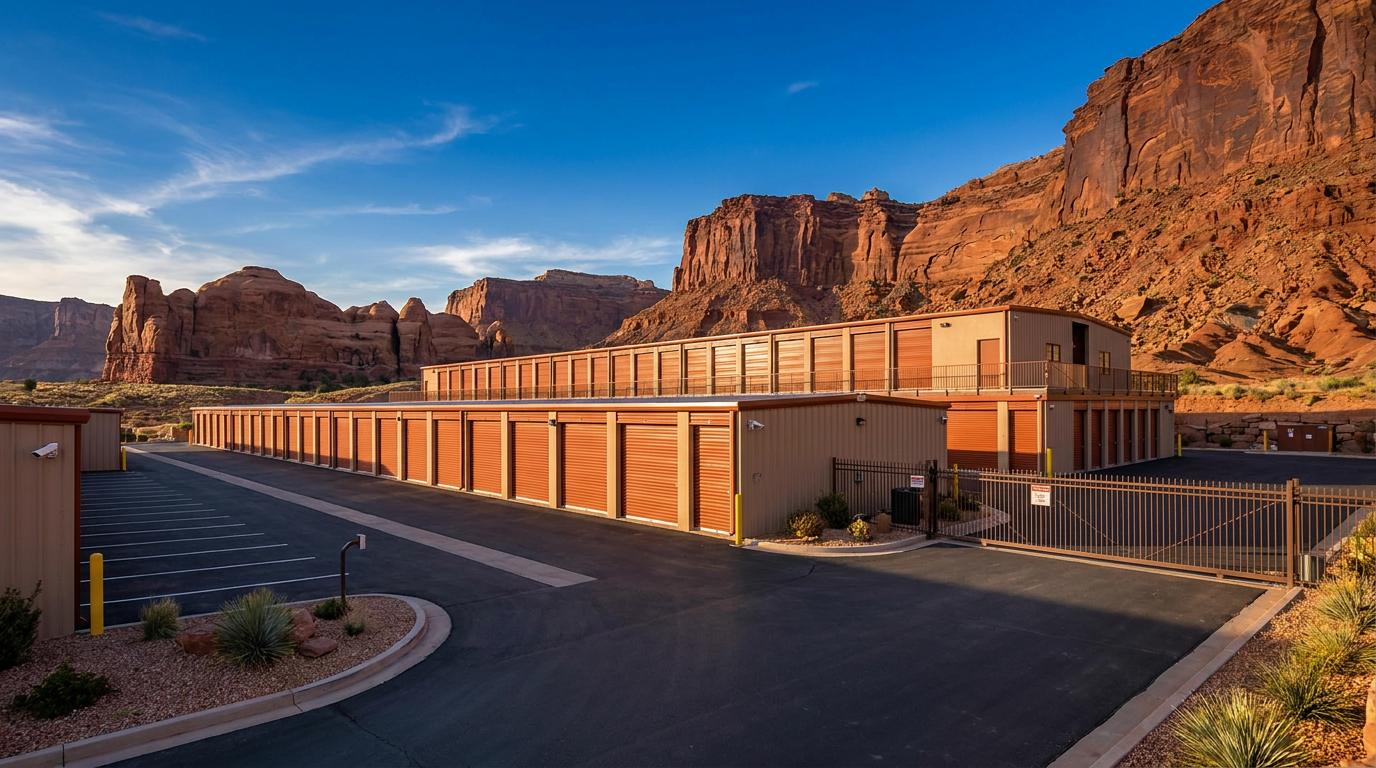
Drive-up units eliminate the need to transport vehicles on trailers or dollies. Wide driveways and paved surfaces allow easy maneuvering of trucks with trailers attached. Look for facilities with 25-foot or wider drive aisles to accommodate turning radius requirements for longer rigs.
Ground-level access matters for loading and unloading heavy equipment. ATVs, motorcycles, and side-by-sides roll directly into units without ramps or lifts. This convenience reduces loading time from 30 minutes to under 5 minutes for most recreational vehicles.
Insurance and Protection Options
Standard homeowner's and auto insurance policies often exclude or limit coverage for stored vehicles. Understanding your protection options prevents costly gaps in coverage.
Homeowner's Policy Limitations
Most homeowner's policies cover personal property in storage, but vehicle coverage typically requires separate auto insurance. Deductibles for off-premises claims often exceed on-premises deductibles by $500 to $1,000. Review your policy's "off-premises coverage" section for specific limits.
Comprehensive auto coverage generally extends to stored vehicles, but liability coverage may lapse after extended non-use periods. Some insurers offer "storage-only" policies at 50 to 70% of standard comprehensive rates for vehicles not driven during storage.
Facility Protection Plans
Storage facility protection plans, like those offered through SafeLease, cover gaps left by personal insurance. These plans typically cost $15 to $45 per month and cover theft, fire, water damage, and vandalism up to the unit's declared value.
Learn more about coverage options on our tenant protection page, which details coverage limits, claim procedures, and exclusions specific to vehicle storage.
Frequently Asked Questions
Where can I store a trailer in Moab?
Moab offers several trailer storage options including enclosed drive-up units, covered parking spaces, and open-air lots. Moab Self Storage at 1081 S Main Street provides drive-up units up to 10x30 feet and covered vehicle parking with electrical hookups. Rates range from $139 to $374 monthly depending on size and features.
Can I store an RV or toy hauler in a self-storage facility?
Yes, many Moab facilities accept RVs and toy haulers in designated parking areas or oversized enclosed units. Standard parking spaces accommodate rigs up to 35 feet. Larger motorhomes may require specialized outdoor storage lots. Confirm height clearances (typically 12 to 14 feet) before reserving covered spaces.
What size storage unit do I need for an ATV, side-by-side, or motorcycle?
A single motorcycle fits in a 5x10 unit ($87.50/month). ATVs require 10x10 units ($114.50/month) minimum. Side-by-sides like the Polaris RZR or Can-Am Maverick need 10x15 units ($139.50/month) for comfortable access. Multiple vehicles or vehicles with trailers require 10x20 or larger units.
Is outdoor vehicle storage safe in Moab's desert climate?
Outdoor storage is safe with proper preparation. Use breathable covers rated for UV protection, disconnect batteries or use maintainers, and add fuel stabilizer for storage exceeding 30 days. Covered parking reduces sun damage significantly. Inspect vehicles monthly during summer when temperatures exceed 100°F regularly.
Do I need insurance for stored vehicles or trailers?
Insurance is strongly recommended. Standard auto policies may limit coverage after 30 to 60 days of non-use. Facility protection plans cost $15 to $45 monthly and cover theft, fire, and weather damage. Contact your insurance provider to confirm coverage terms before relying solely on existing policies.
How do I prepare a vehicle for long-term storage in hot, dusty conditions?
Fill the fuel tank to 95% and add stabilizer. Disconnect the battery or connect a maintainer. Inflate tires to maximum recommended PSI. Change oil if due. Wash and wax exterior surfaces. Place moisture absorbers inside the cabin. Cover with breathable, UV-resistant material if storing outdoors.
Are there local parking rules for trailers in Moab?
Yes. City of Moab limits street parking to 72 hours for trailers. Many HOAs prohibit visible trailer storage entirely. Grand County requires trailers on improved surfaces with adequate setbacks. Recreation areas like Sand Flats require all vehicles to fit within assigned parking areas.
Getting Started with Vehicle Storage in Moab
Selecting the right storage solution depends on your vehicle type, storage duration, and access needs. Measure your vehicle carefully, adding 2 to 3 feet for maneuvering room. Consider covered options for storage exceeding 3 months to minimize sun damage.
For questions about specific unit availability or to discuss your storage needs, contact our team by phone at (435) 222-0177 or email at Help@LookingForStorage.com. We provide customer service 7 days a week and can help match your vehicle to the right unit size.
Ready to reserve? Our online rental process takes 60 seconds with immediate move-in available. No deposit required, and month-to-month terms mean no long-term commitment. Visit our FAQ page for answers to common questions about the rental process, payment options, and facility access.
|