How Long Can You Rent a Storage Unit? Duration Guide 2026 |
| HOW LONG CAN YOU RENT A STORAGE UNIT
⏱ 12 min read ·
📄 #2,211 words
Storage units can be rented indefinitely with month-to-month leases. Learn about minimum stays, long-term discounts, and what affects your rental duration.
|
Y ou can rent a storage unit for as long as you need, from one month to several decades. Most self-storage facilities operate on month-to-month leases with no maximum rental period. According to Extra Space Storage, the industry standard allows customers to keep units indefinitely as long as rent is paid and facility rules are followed.
| Key Points: | |
|---|---|
| • | No maximum rental period exists at most facilities; rent month-to-month indefinitely |
| • | Average customer keeps a storage unit for 12 to 18 months |
| • | Minimum rental periods range from one week to one month depending on the facility |
| • | Long-term contracts of 6 to 12 months can save 10% to 25% on monthly rates |
| • | Most facilities require 30 days written notice before moving out |
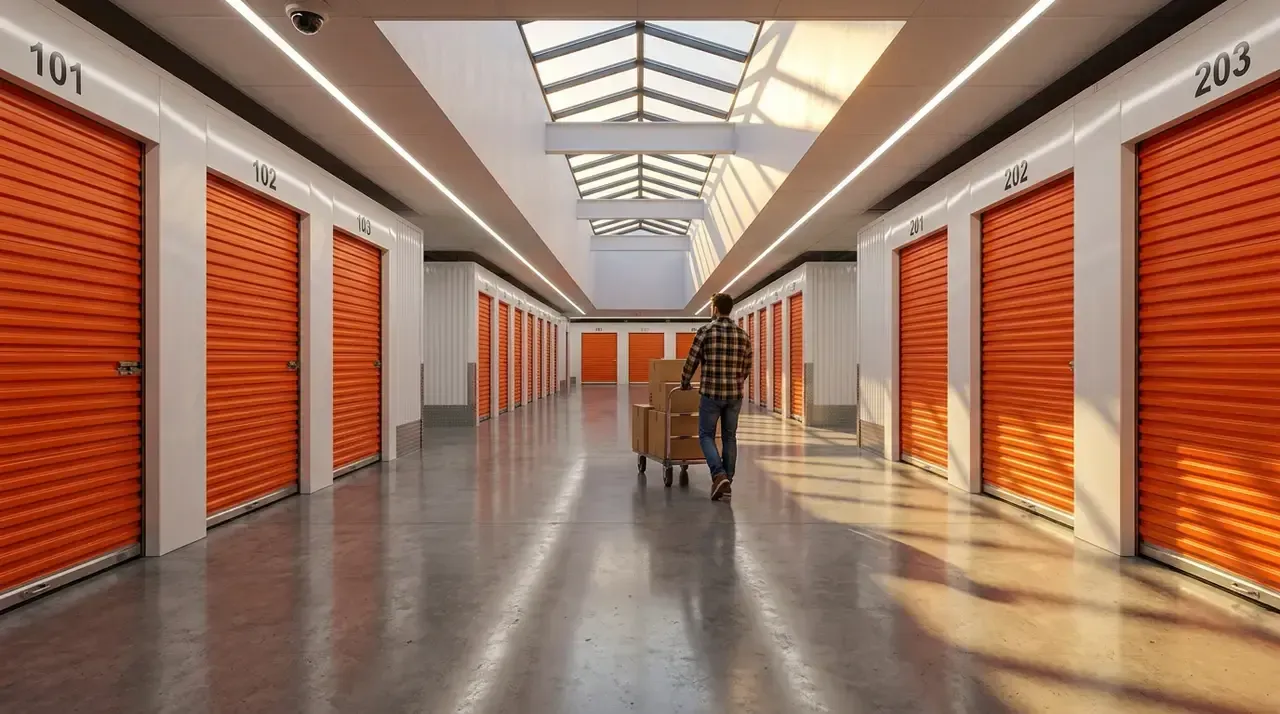
Understanding Storage Unit Rental Duration Options
Self-storage facilities across the United States offer flexible rental terms designed to accommodate both short-term and long-term needs. The Self Storage Association reports that the industry serves over 10% of American households, with rental durations varying widely based on individual circumstances.
Three primary rental structures dominate the market: month-to-month agreements, fixed-term contracts, and weekly rentals. Month-to-month leases account for approximately 85% of all storage agreements, according to industry data from the Self Storage Almanac.
Your rental duration depends entirely on your needs. Someone storing furniture during a home renovation might need three months. A business archiving documents could require five years or more. The facility does not dictate how long you stay.
Month-to-Month Rental Agreements
Month-to-month leases provide maximum flexibility without long-term commitment. You sign an initial agreement, pay your first month's rent, and continue paying each month until you decide to vacate. This structure works well for unpredictable timelines.
According to U-Haul's Moving Insider, there is no minimum amount of time required to rent a storage unit at most facilities, though customers get the best value by planning for at least 30-day increments. Monthly rates for drive-up units typically range from $50 for small 5x5 spaces to $300 or more for large 10x30 units.
The tradeoff for flexibility is cost. Month-to-month rates run 10% to 15% higher than long-term contract rates at many facilities. Facilities may also implement periodic rate increases, typically with 30 to 60 days advance notice.
Long-Term Storage Contracts
Fixed-term contracts of 6 to 12 months offer rate stability and discounts. Customers who know they need storage for an extended period can lock in current pricing and avoid potential increases. Discounts typically range from 10% to 25% compared to month-to-month rates.
Long-term contracts work best for specific situations: business inventory storage, extended relocations, military deployments, or seasonal equipment storage lasting more than six months. The commitment provides budget predictability in exchange for reduced flexibility.
Minimum Rental Periods by Facility Type
Minimum rental requirements vary significantly across the storage industry. Understanding these minimums helps you choose the right facility for your timeline and budget.
| Facility Type | Minimum Rental | Typical Notice Period | Best For |
|---|---|---|---|
| National Chains (Public Storage, Extra Space) | 1 month | 30 days | Standard residential storage |
| Local Independent Facilities | No minimum to 1 month | 14 to 30 days | Flexible short-term needs |
| Portable Storage (PODS, U-Pack) | 1 month | 7 to 14 days | Moving and temporary storage |
| Commercial Warehouse Storage | 3 to 6 months | 60 to 90 days | Business inventory, bulk storage |
| Climate-Controlled Premium | 1 month | 30 days | Sensitive items, documents, electronics |
Weekly rentals exist but remain uncommon in the traditional self-storage market. Portable storage companies like PODS and 1-800-PACK-RAT offer more flexible short-term options, though at higher per-day costs than monthly facility rentals.
How Long Do People Actually Keep Storage Units?
Industry research reveals that storage customers keep units far longer than they initially expect. The average self-storage rental lasts approximately 14 months, with nearly half of all renters staying longer than one year.
According to data from StorPlace Self Storage, many facilities have customers who have maintained the same unit for 10, 15, or even 20 years. These long-term renters often store family heirlooms, business archives, or seasonal equipment they access periodically.
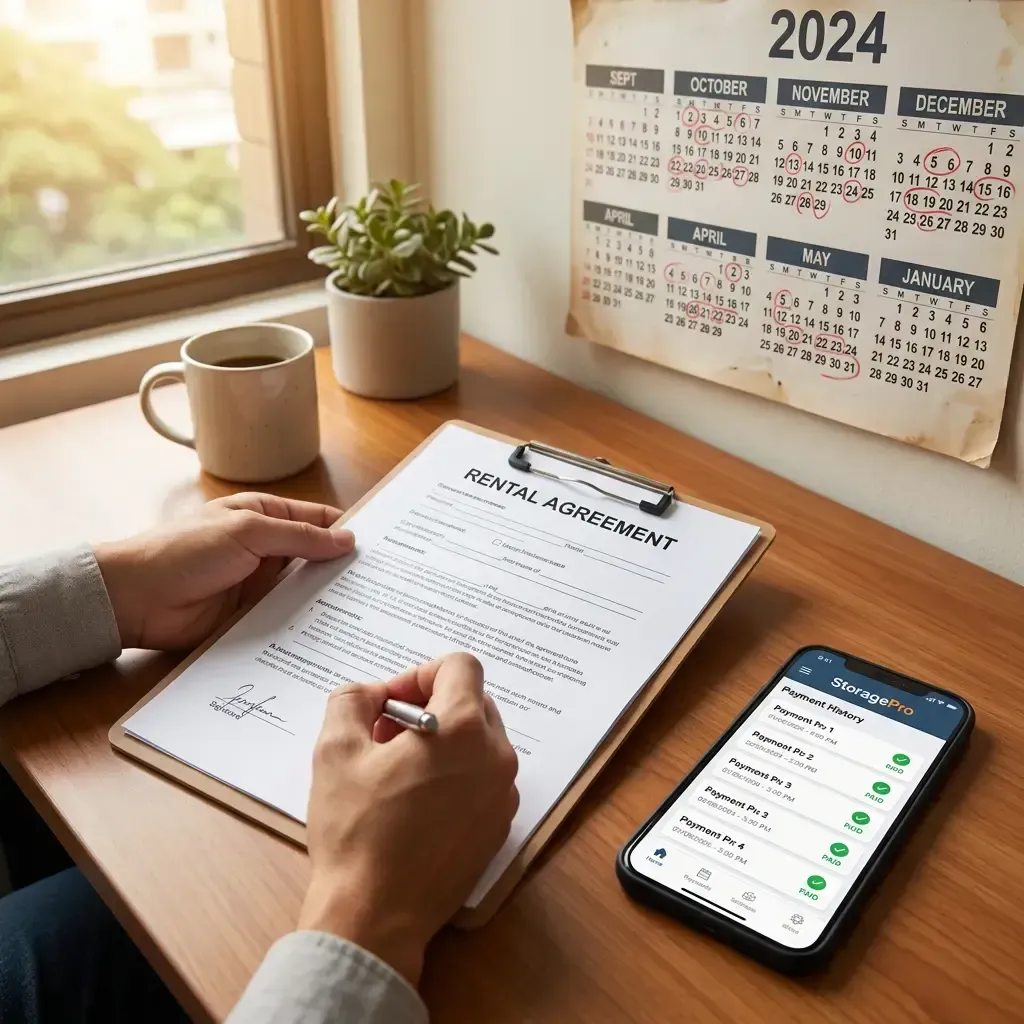
Rental Duration by Use Case
Short-term storage (1 to 3 months) typically serves customers during home sales, renovations, or temporary relocations. College students storing belongings over summer break fall into this category. Approximately 25% of storage customers rent for less than three months.
Medium-term storage (3 to 12 months) accommodates job relocations, extended travel, or transitional housing situations. This duration allows time to settle into a new location before deciding what to keep. About 30% of customers fall into this range.
Long-term storage (1 year or more) serves those with permanent overflow needs: second-home owners, businesses with seasonal inventory, collectors, and families storing inherited items. The remaining 45% of customers maintain units for over a year.
Cost Considerations for Extended Storage
Storage costs compound significantly over time. A $100 monthly unit costs $1,200 annually and $6,000 over five years. Understanding the financial implications helps you make informed decisions about storage duration.
Rate Increases Over Time
Most storage facilities reserve the right to increase rates with 30 to 60 days notice. Industry data shows average annual rate increases of 3% to 8% for existing customers. A unit starting at $100 per month could cost $130 to $150 monthly after five years of incremental increases.
Strategies to minimize rate increases include: negotiating multi-year rate locks, prepaying several months in advance, or signing longer-term contracts when available. Some facilities offer price protection guarantees for the first 12 months.
When Long-Term Storage Makes Financial Sense
Calculate the replacement value of stored items against cumulative storage costs. If you are paying $150 monthly to store furniture worth $2,000, the storage costs exceed the item value after 14 months. High-value or irreplaceable items justify longer storage periods.
Business storage often provides clear ROI. Storing $50,000 in seasonal inventory at $300 monthly costs $3,600 annually, a fraction of the inventory value. Document archives with legal retention requirements may need storage for 7 to 10 years regardless of cost.
Notice Requirements When Moving Out
Understanding move-out procedures prevents unexpected charges. Most facilities require written notice 30 days before your intended vacate date. Some require notice by a specific day of the month, typically the first or fifteenth.
Failure to provide proper notice often results in charges for an additional month. If your lease auto-renews on the first and you notify the facility on the fifth, you may owe rent through the following month. Review your rental agreement for specific notice requirements.
The move-out process typically involves: providing written notice (email or letter), scheduling a final walkthrough, removing all belongings, returning any access devices, and receiving confirmation of lease termination. Keep documentation of your notice for your records.
Frequently Asked Questions About Storage Duration
How long can I rent a storage unit for?
You can rent a storage unit indefinitely at most facilities. There is no maximum rental period as long as you continue paying rent and following facility rules. Month-to-month leases automatically renew until you provide notice to vacate. Some customers have maintained the same unit for over 20 years.
How much is 3 months of storage?
Three months of storage costs between $150 and $900 depending on unit size and location. A 5x10 unit averaging $87 monthly totals approximately $260 for three months. A 10x20 unit at $374 monthly costs around $1,120 for the same period. Many facilities offer first-month discounts that reduce the three-month total by 25% to 50%.
Can I sleep in my rented storage unit?
No, sleeping or living in a storage unit is prohibited at all legitimate facilities and violates local housing codes. Storage units lack ventilation, plumbing, and emergency exits required for habitation. Facilities monitor for unauthorized overnight stays and will terminate leases for violations. This rule exists for safety and legal compliance.
How long is considered long-term storage?
Long-term storage typically refers to rentals exceeding 6 to 12 months. Industry definitions vary, but most facilities consider anything beyond one year as long-term. Long-term customers often receive loyalty discounts or rate protections. Some facilities offer dedicated long-term contracts with reduced monthly rates for commitments of 12 months or more.
Can you rent a storage unit for just a week?
Weekly rentals are uncommon at traditional self-storage facilities. Most require a minimum one-month rental. However, some independent facilities and portable storage companies offer weekly options at premium rates. If you need storage for less than a month, compare the cost of a monthly rental against weekly alternatives; the monthly rate often provides better value.
Is self-storage always month-to-month?
Month-to-month is the industry standard, but alternatives exist. Some facilities offer 6-month or 12-month contracts with discounted rates. According to discussions on Reddit's self-storage community, negotiating longer fixed-cost leases is possible at some facilities, particularly for larger units or multiple-unit rentals. Ask your facility about long-term options if rate stability matters to you.
Choosing the Right Rental Duration for Your Needs
Match your rental commitment to your actual timeline. Overcommitting to a long-term contract wastes money if circumstances change. Underestimating your needs leads to repeated lease extensions at potentially higher rates.
Questions to Ask Before Renting
Before signing a rental agreement, clarify these points with the facility: What is the minimum rental period? How much notice is required to vacate? When and how can rates be increased? Are long-term discounts available? What happens if I need to extend beyond my planned duration?
For questions about the rental process, visit our frequently asked questions page for detailed answers about move-in procedures, billing, and access policies.
Evaluating Your Storage Timeline
Create a realistic estimate by considering: How long will your current situation last? What triggers would cause you to empty the unit? Can stored items be sold, donated, or disposed of instead? Is the storage cost justified by the value of the items?
Review your storage needs every six months. Circumstances change, and items that seemed essential to keep may become candidates for removal. Regular evaluation prevents indefinite storage of items you no longer need.
Storage Duration for Specific Situations
Moving and Relocation
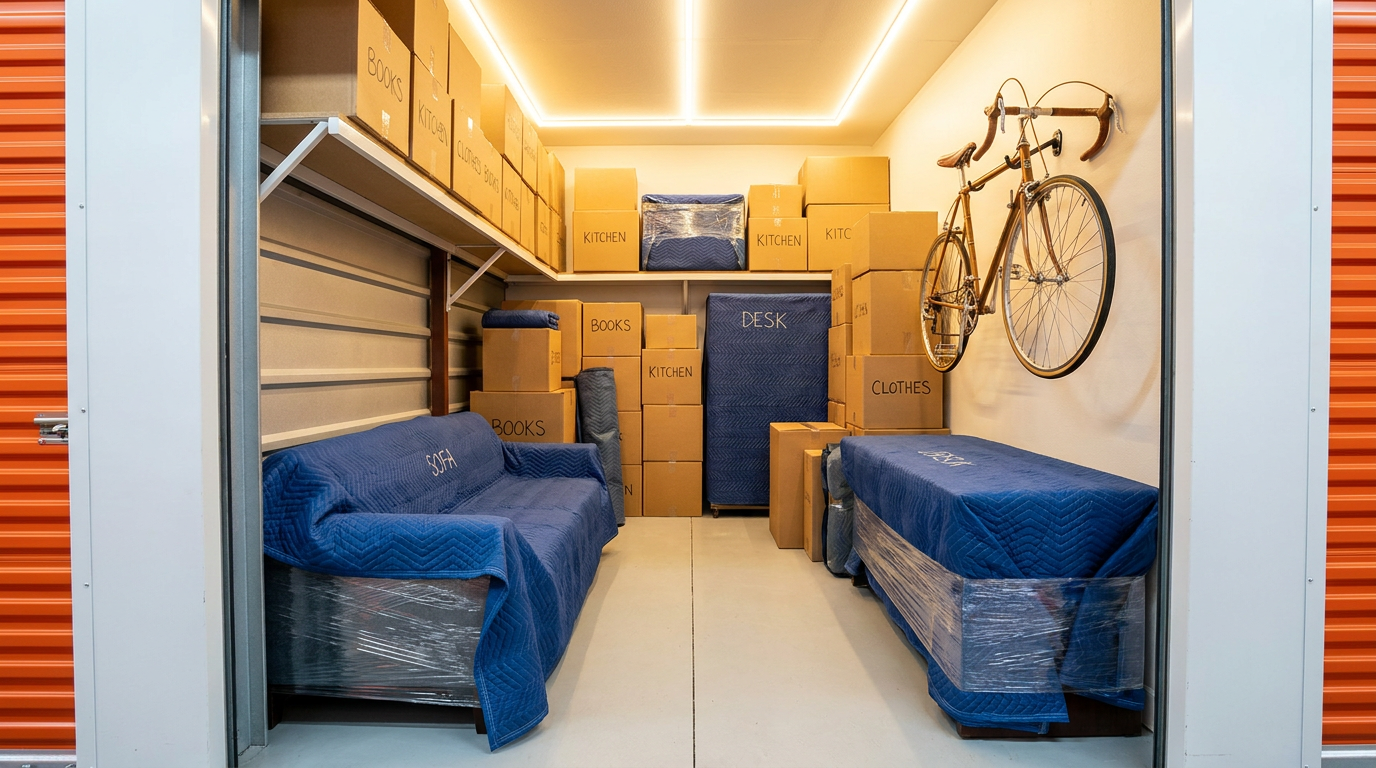
Most residential moves require 1 to 3 months of storage. This covers the gap between selling one home and closing on another, or the time needed to find permanent housing in a new city. Plan for potential delays by budgeting for an extra month.
Home Renovation Projects
Kitchen and bathroom remodels typically last 6 to 12 weeks. Whole-house renovations can extend 4 to 8 months. Add 2 to 4 weeks buffer time for project delays. A 10x10 or 10x15 unit accommodates most household furniture during renovations.
Not sure which unit size fits your belongings? Our storage unit size guide breaks down options from 5x5 to 10x30 to help you choose the right space.
Business and Commercial Storage
Business storage needs often extend 2 to 5 years or longer. Seasonal retailers may maintain permanent storage for off-season inventory. Document retention requirements for tax records (7 years) and legal documents (varies by type) dictate minimum storage periods for many businesses.
Seasonal and Recreational Equipment
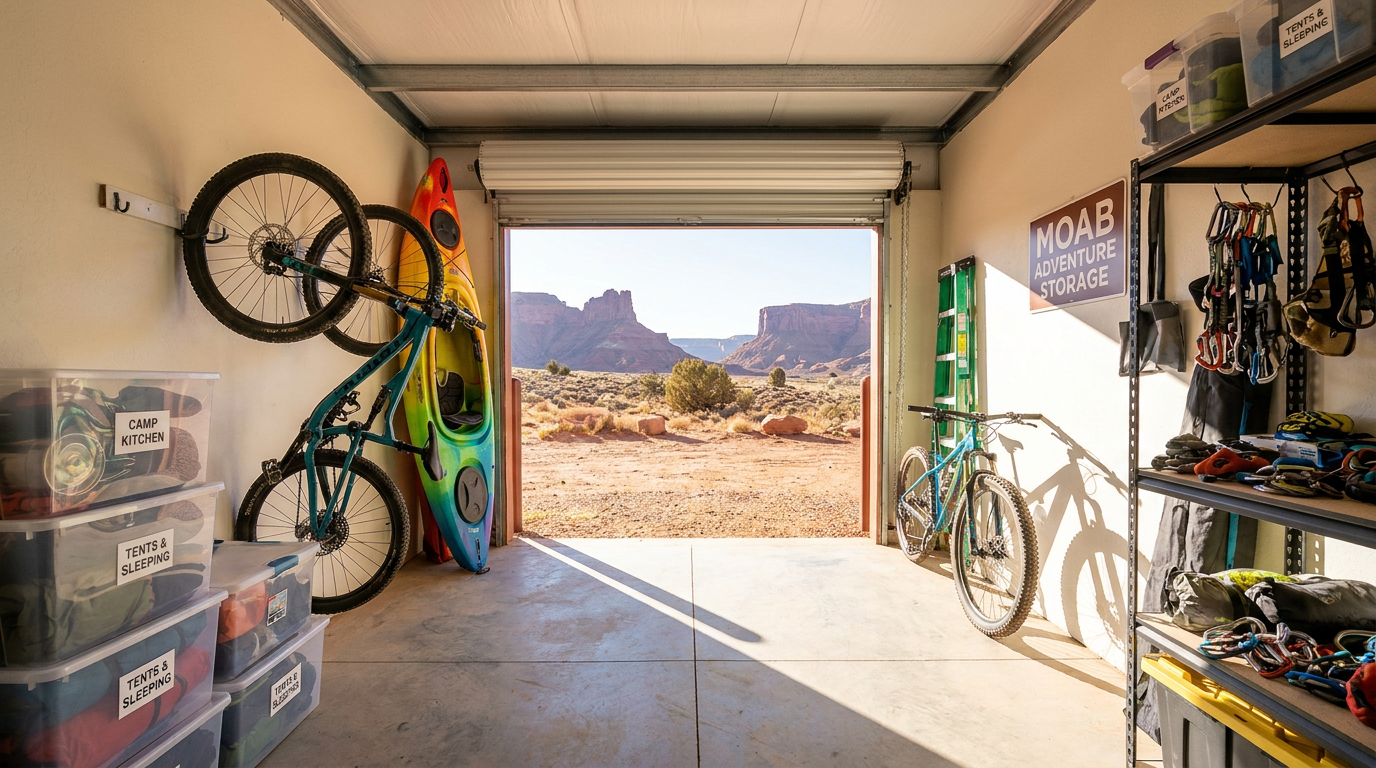
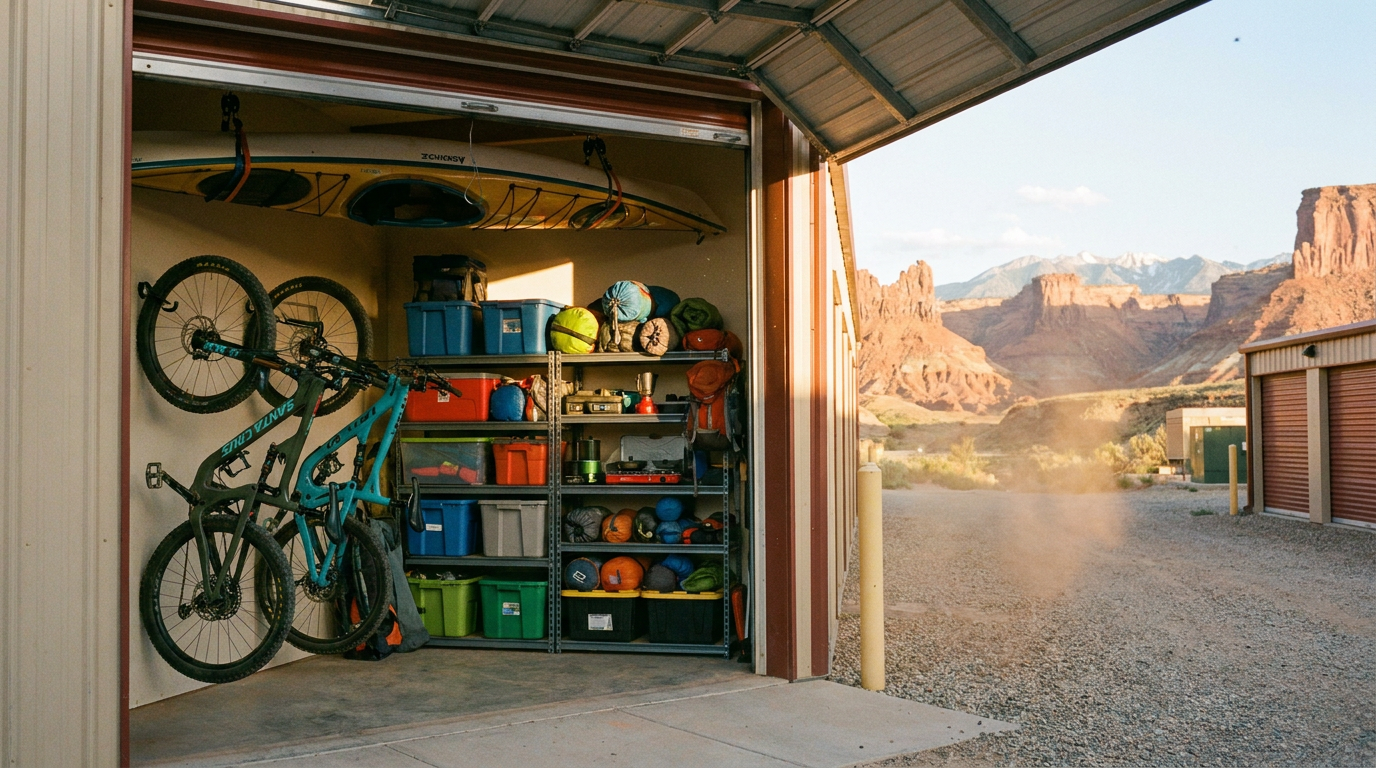
Outdoor enthusiasts in areas like Moab, Utah often store recreational gear seasonally. Kayaks, camping equipment, and off-road vehicles may need storage during off-seasons or between visits. These rentals typically follow 6-month cycles aligned with activity seasons.
For tips on protecting outdoor and recreational gear in storage, check our storage tips blog for advice on preparation and organization.
Protecting Your Belongings During Extended Storage
Longer storage durations increase exposure to potential damage. Proper preparation and protection become more critical as rental periods extend beyond a few months.
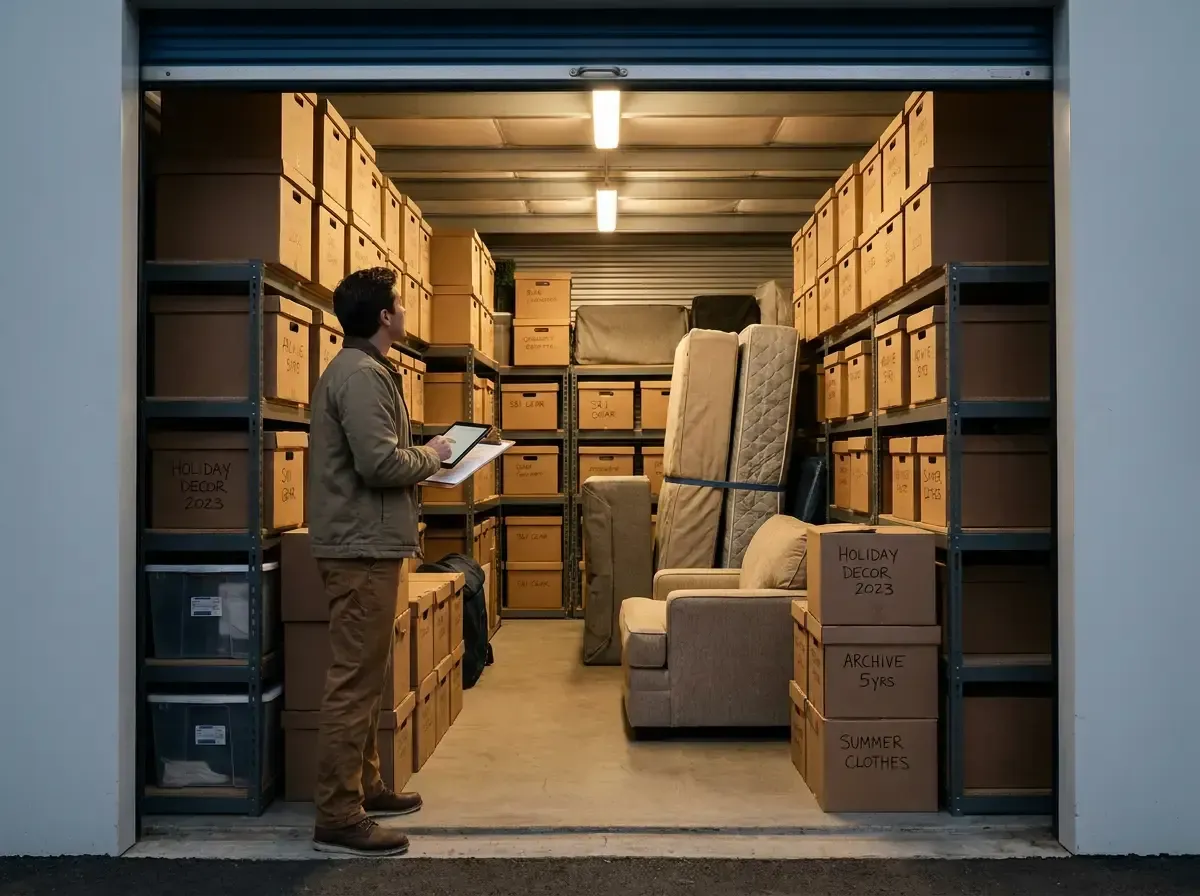
Items stored for 6 months or longer benefit from periodic inspection. Visit your unit every 2 to 3 months to check for moisture, pests, or other issues. Rotate boxes and inspect furniture for signs of damage.
Consider protection coverage for valuable items in long-term storage. Learn more about how our tenant protection plan covers burglary, fire, water damage, and other risks during your rental period.
Storage Preparation for Different Durations
Under 3 months: Basic cleaning and covering of furniture. Standard cardboard boxes work fine. Minimal climate concerns in moderate weather.
3 to 12 months: Moisture absorbers in enclosed spaces. Plastic bins for sensitive items. Furniture covers or blankets. Regular inspection visits recommended.
Over 12 months: Climate control consideration for sensitive items. Vacuum-sealed bags for textiles. Elevated storage on pallets. Comprehensive inventory documentation. Annual insurance review.
Making Your Storage Rental Work for You
The flexibility of modern self-storage means you control your rental duration. Whether you need a unit for six weeks during a move or six years for business archives, facilities accommodate your timeline without arbitrary limits.
Start with a clear understanding of your needs, choose the appropriate commitment level, and review your storage situation periodically. This approach ensures you get value from your rental without overpaying for unnecessary duration or underestimating your actual needs.
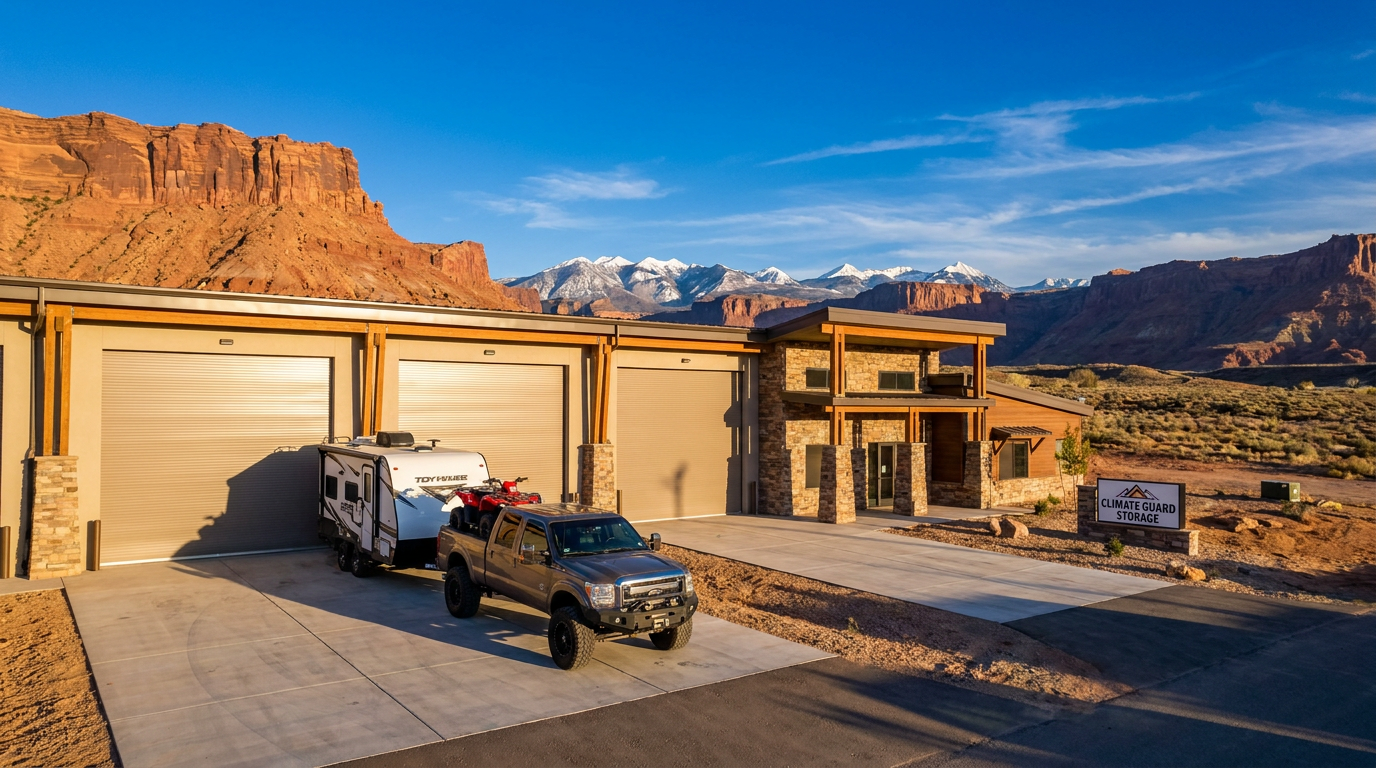
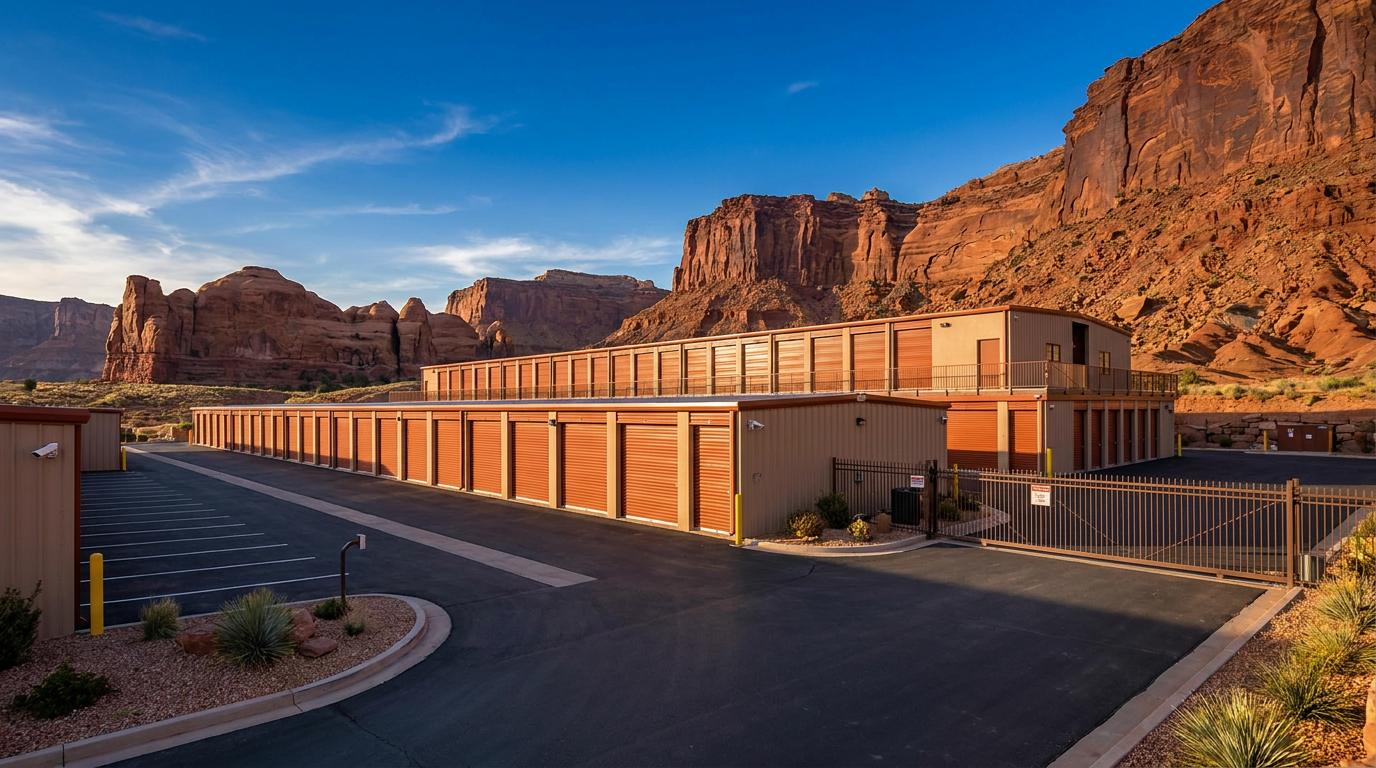
As a locally owned and operated storage facility in Moab, Utah, we understand that storage needs vary widely. Our month-to-month rentals with no long-term commitment give you the flexibility to store for exactly as long as you need, whether that is one month or ten years.
|