How to Choose the Right Storage Unit Size in Moab, Utah |
| HOW TO CHOOSE THE RIGHT STORAGE UNIT SIZE IN MOAB
⏱ 12 min read ·
📄 #2,260 words
Find the perfect storage unit size in Moab with our complete guide. Compare 5x5 to 10x30 units, get packing tips, and learn what fits in each size.
|
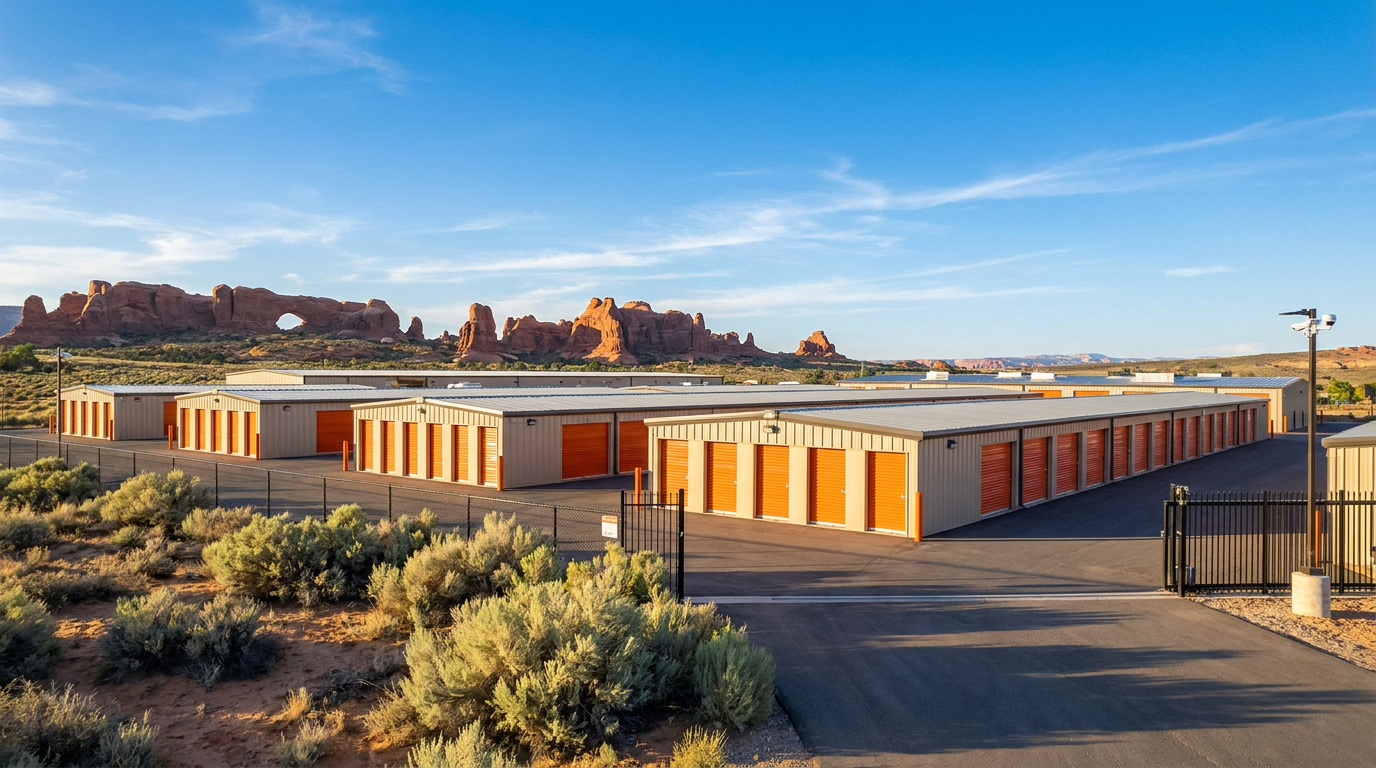
A 10x10 storage unit works for most Moab residents storing one to two bedrooms of furniture, while a 5x10 handles apartment essentials and a 10x20 fits a full household or vehicle. The right size depends on three factors: your inventory volume, how you plan to access items, and whether you need space for outdoor recreation gear common to the Moab Valley lifestyle.
| Key Points: | |
|---|---|
| • | 5x10 units ($87.50/month in Moab) hold studio apartment contents or 10 to 15 medium boxes plus small furniture |
| • | 10x10 units ($114.50/month) fit one to two bedroom apartments, storing sofas, mattresses, and 20 to 30 boxes |
| • | 10x20 units ($374/month) accommodate full three bedroom homes or standard vehicles up to 18 feet long |
| • | Moab's desert climate (15 to 105 degrees Fahrenheit annually) requires careful consideration of what you store in non-climate-controlled units |
| • | Drive-up access saves 30 to 45 minutes per visit compared to indoor units with hallways and elevators |
Storage Unit Size Chart: What Fits in Each Unit
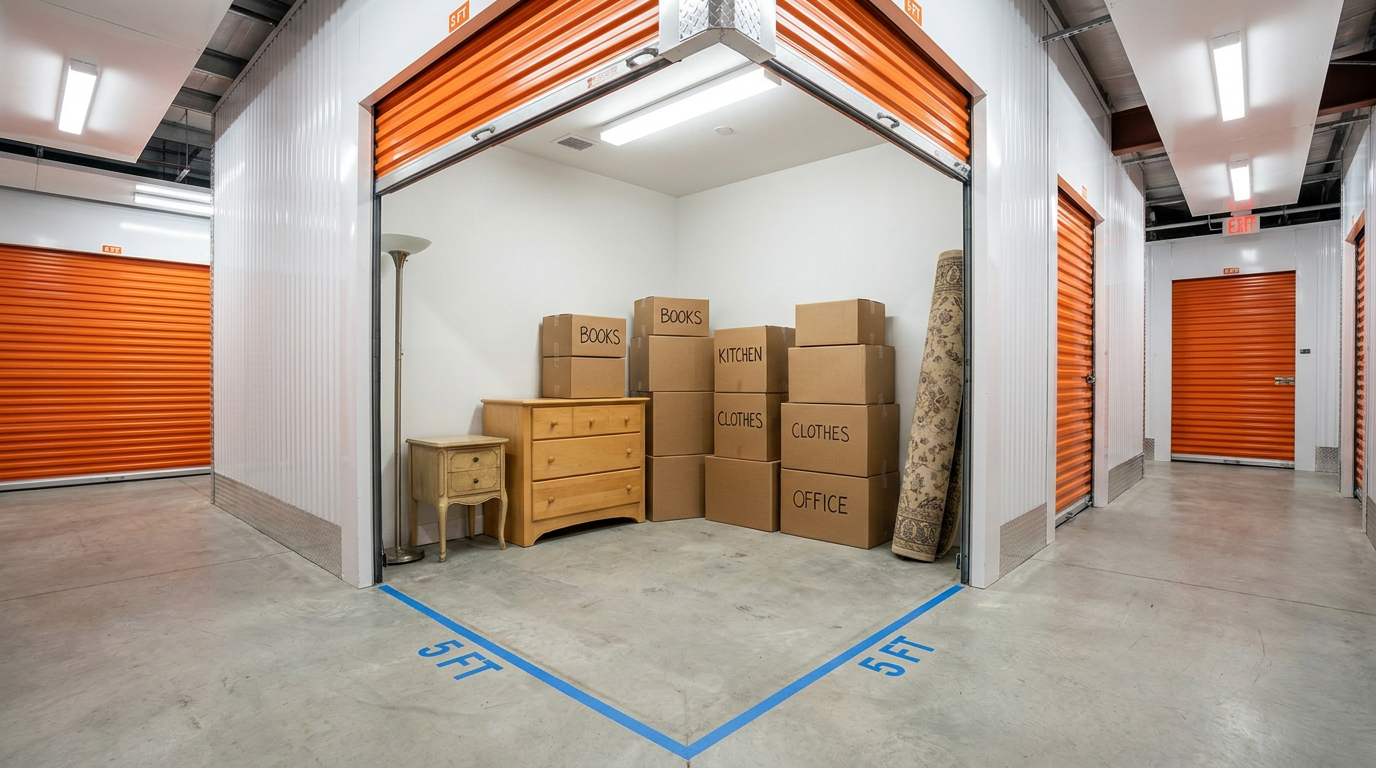
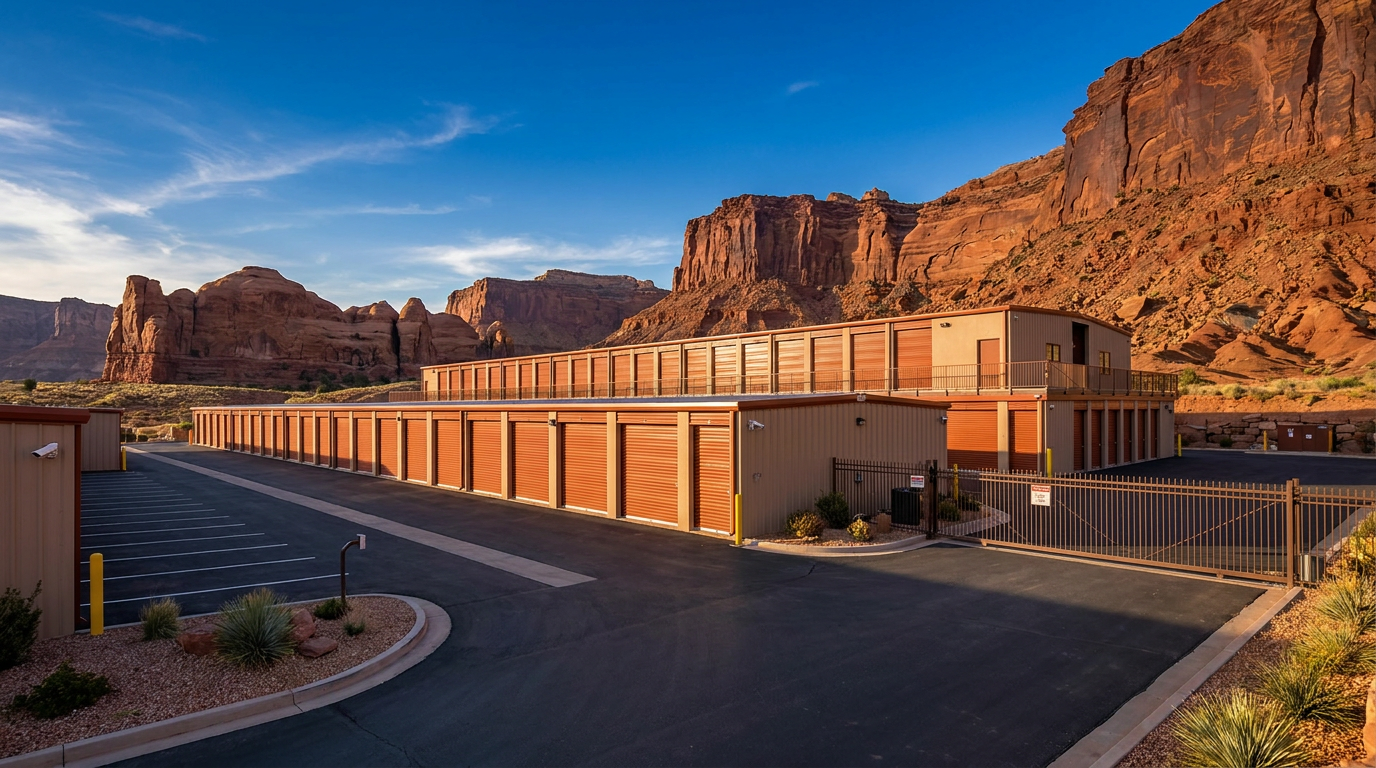
Storage unit dimensions follow industry standards, but ceiling height varies between 8 and 10 feet depending on the facility. At Moab Self Storage on South Main Street, all drive-up units feature standard 8-foot ceilings with roll-up doors for easy loading.
Understanding cubic footage helps you maximize vertical space. A 5x10 unit with 8-foot ceilings provides 400 cubic feet of storage, while a 10x20 offers 1,600 cubic feet. Stacking boxes and using shelving can increase usable capacity by 25 to 40 percent.
| Unit Size | Square Feet | Best For | Moab Monthly Cost |
|---|---|---|---|
| 5x5 | 25 sq ft | Seasonal items, 5 to 8 boxes, small furniture | Contact for pricing |
| 5x10 | 50 sq ft | Studio apartment, mattress set, 10 to 15 boxes | $87.50 |
| 10x10 | 100 sq ft | 1 to 2 bedroom apartment, sofa, appliances | $114.50 |
| 10x15 | 150 sq ft | 2 to 3 bedroom home, business inventory | $139.50 |
| 10x20 | 200 sq ft | 3+ bedroom home, vehicles, large equipment | $374 |
| 10x30 | 300 sq ft | 4 to 5 bedroom home, multiple vehicles, RVs | Contact for pricing |
According to the Extra Space Storage size guide, the 10x10 unit remains the most popular residential choice nationwide, fitting the contents of a typical one-bedroom apartment with room for access aisles.
How to Calculate the Storage Space You Actually Need
Most people overestimate their storage needs by 20 to 30 percent when guessing, then underestimate by 15 percent when they start packing. A systematic inventory prevents both costly oversizing and frustrating undersizing that requires upgrading mid-lease.
Step 1: Create a Room-by-Room Inventory
Walk through each room with your phone and photograph items you plan to store. Group belongings into three categories: large furniture (sofas, beds, tables), medium items (chairs, appliances, bicycles), and boxes. This visual record helps you avoid forgetting items in closets, garages, or sheds.
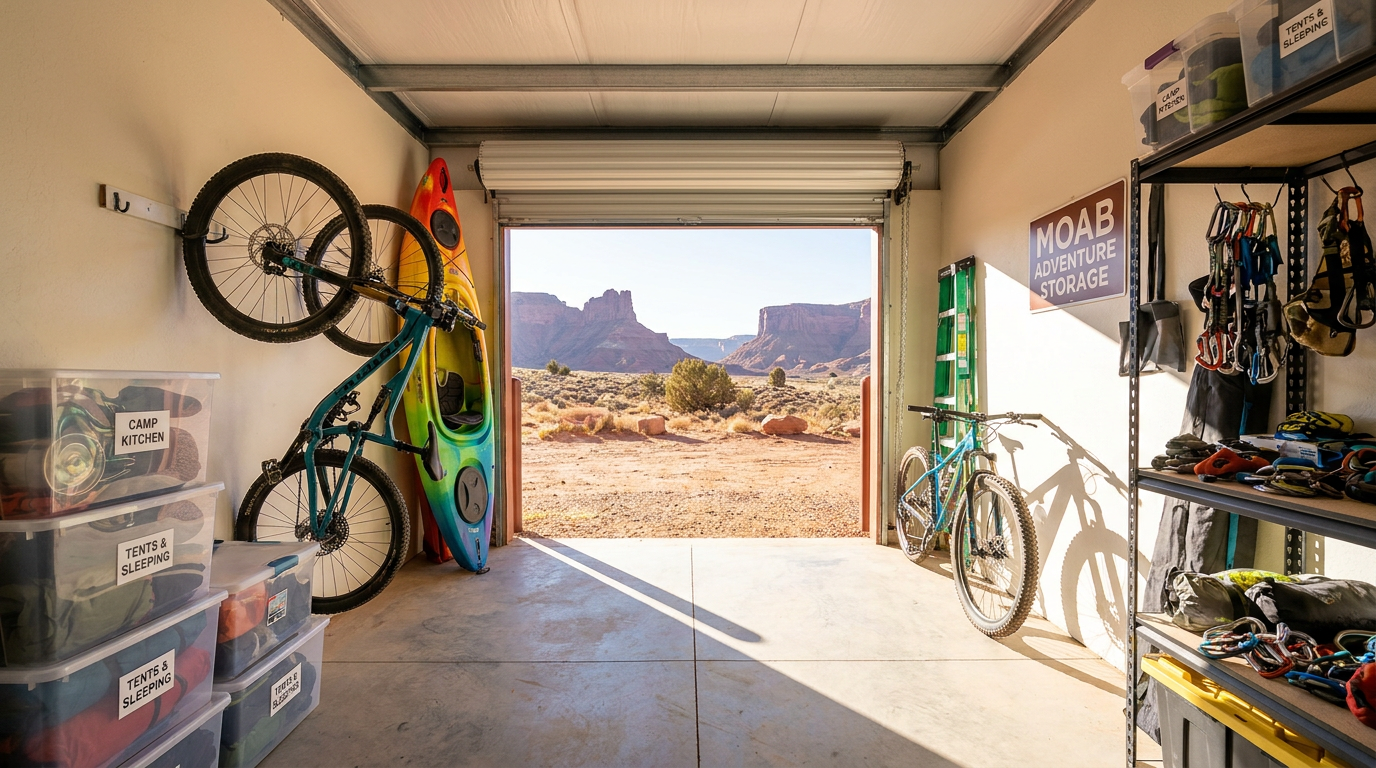
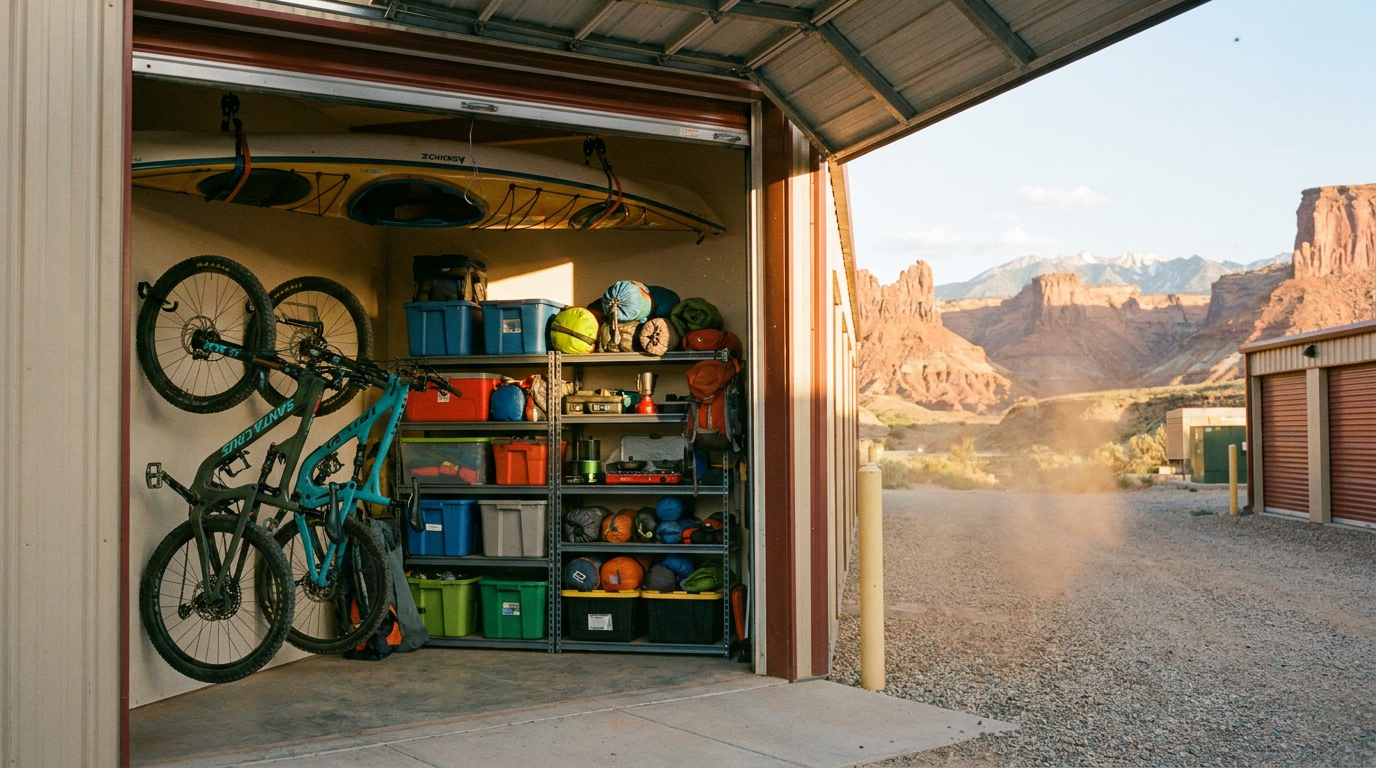
For a typical Moab household, include outdoor gear in your count. Mountain bikes measure roughly 6 feet long and 2 feet wide when stored vertically. Kayaks range from 8 to 14 feet. Camping equipment, including tents, sleeping bags, and cookware, typically fills 3 to 5 medium boxes per person.
Step 2: Measure Large Furniture Precisely
Measure height, width, and depth of every furniture piece exceeding 3 feet in any dimension. Standard American furniture sizes include:
- King mattress: 76 x 80 inches (requires 5x10 minimum when stored flat)
- Queen mattress: 60 x 80 inches (fits in 5x10 standing on side)
- Standard sofa: 84 to 96 inches long, 32 to 40 inches deep
- Dining table (6-person): 72 x 36 inches plus chairs
- Refrigerator: 30 to 36 inches wide, 66 to 70 inches tall
Our storage unit size guide includes visual comparisons showing exactly how furniture pieces fit in each unit dimension.
Step 3: Apply the Box Calculation Formula
Count your boxes using standard sizes: small (1.5 cubic feet), medium (3 cubic feet), and large (4.5 cubic feet). Most households generate 10 to 15 boxes per room when packing thoroughly. A three-bedroom home typically produces 40 to 60 boxes total.
The formula for estimating total cubic footage needed: (number of boxes x average cubic feet per box) + (furniture cubic footage) + 20 percent access space = total cubic feet required. Divide by ceiling height (typically 8 feet) to get minimum square footage.
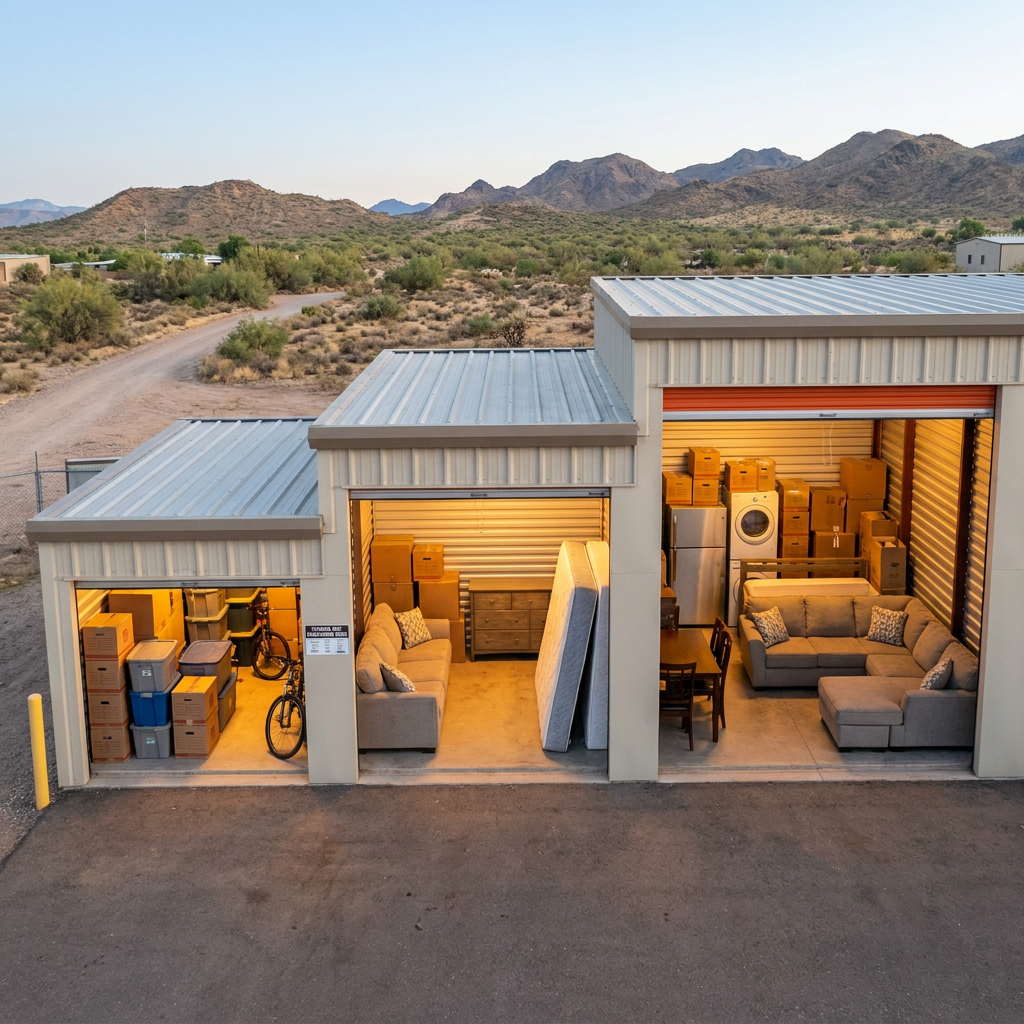
Are Storage Units Actually the Sizes Advertised?
Storage unit dimensions represent nominal sizes, not exact interior measurements. A unit marketed as 10x10 typically measures 9 feet 6 inches by 9 feet 10 inches after accounting for wall thickness and door framing. This variance of 3 to 6 inches per dimension reduces actual square footage by 5 to 8 percent.
According to Move.org's storage estimation guide, renters should plan for slightly less usable space than advertised dimensions suggest. Request exact interior measurements from your facility before signing a lease, especially for tight fits involving vehicles or large equipment.
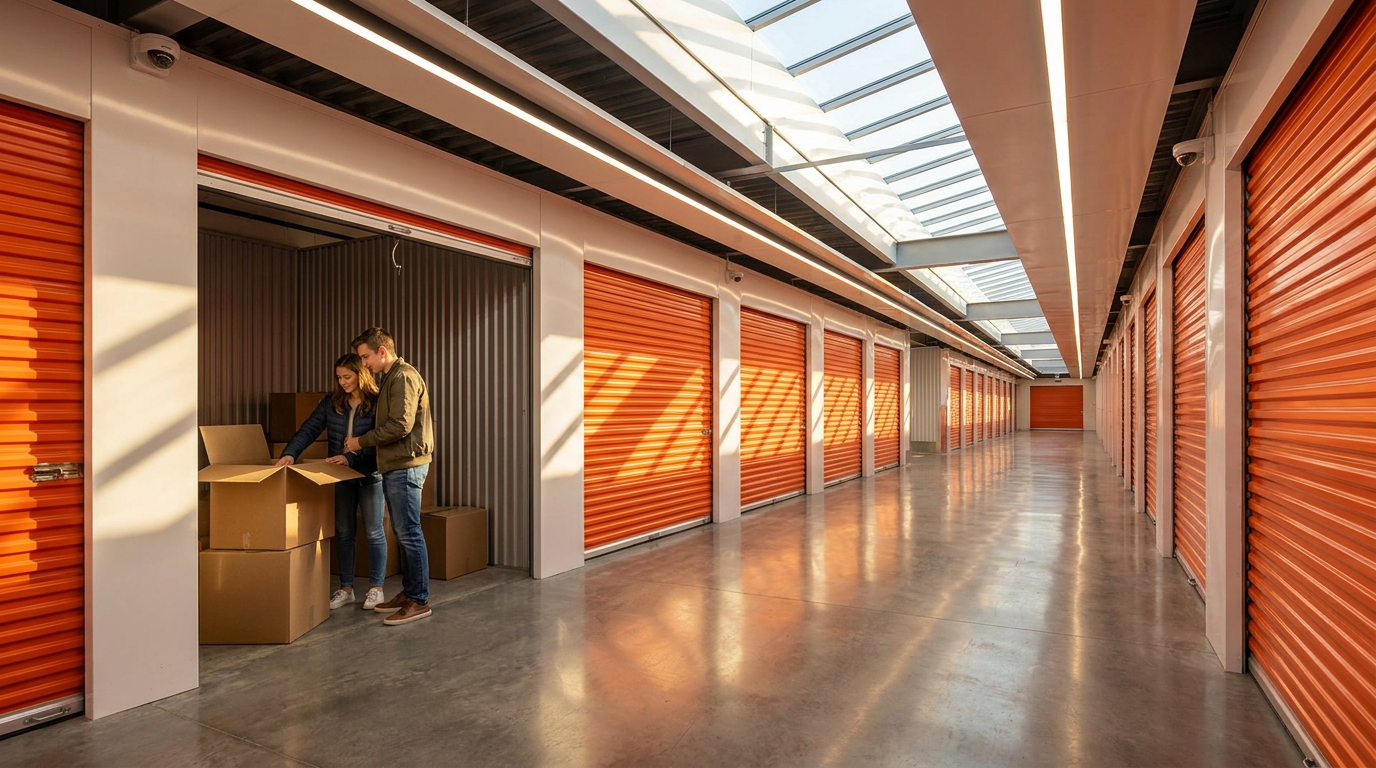
At Moab Self Storage, all units feature drive-up access with roll-up doors spanning the full unit width. This design eliminates the door frame intrusion common in interior corridor units, maximizing usable floor space near the entrance.
Will a King Size Mattress Fit in a 5x10 Storage Unit?
Yes, a king size mattress fits in a 5x10 unit, but positioning matters. A king mattress measures 76 x 80 inches (approximately 6.3 x 6.7 feet). In a 5x10 unit, you must store the mattress standing on its side against the 10-foot wall, leaving roughly 4 feet of depth for other items.
Protect mattresses in storage with these steps:
- Clean and dry the mattress completely before storing
- Use a breathable mattress bag (not plastic, which traps moisture)
- Store on a pallet or boards to prevent ground moisture contact
- Position away from unit walls to allow air circulation
- Never stack heavy items on top of a stored mattress
Moab's low average humidity (30 to 40 percent) makes mattress storage less risky than humid climates, but summer temperatures exceeding 100 degrees Fahrenheit can affect memory foam and latex materials. Consider the tenant protection plan for coverage against unexpected damage.
Can a Couch Fit in a 5x5 Storage Unit?
Standard sofas do not fit in 5x5 units. A typical three-seat sofa measures 84 to 96 inches long (7 to 8 feet), while a 5x5 unit provides only 60 inches (5 feet) on each side. Even compact loveseats at 60 to 72 inches require careful angling that leaves minimal remaining space.
A 5x5 unit works best for:
- Seasonal clothing and holiday decorations (5 to 8 medium boxes)
- Small appliances, lamps, and household accessories
- Document boxes and file storage for small businesses
- Sporting equipment: skis, snowboards, golf clubs
- College dorm room contents during summer break
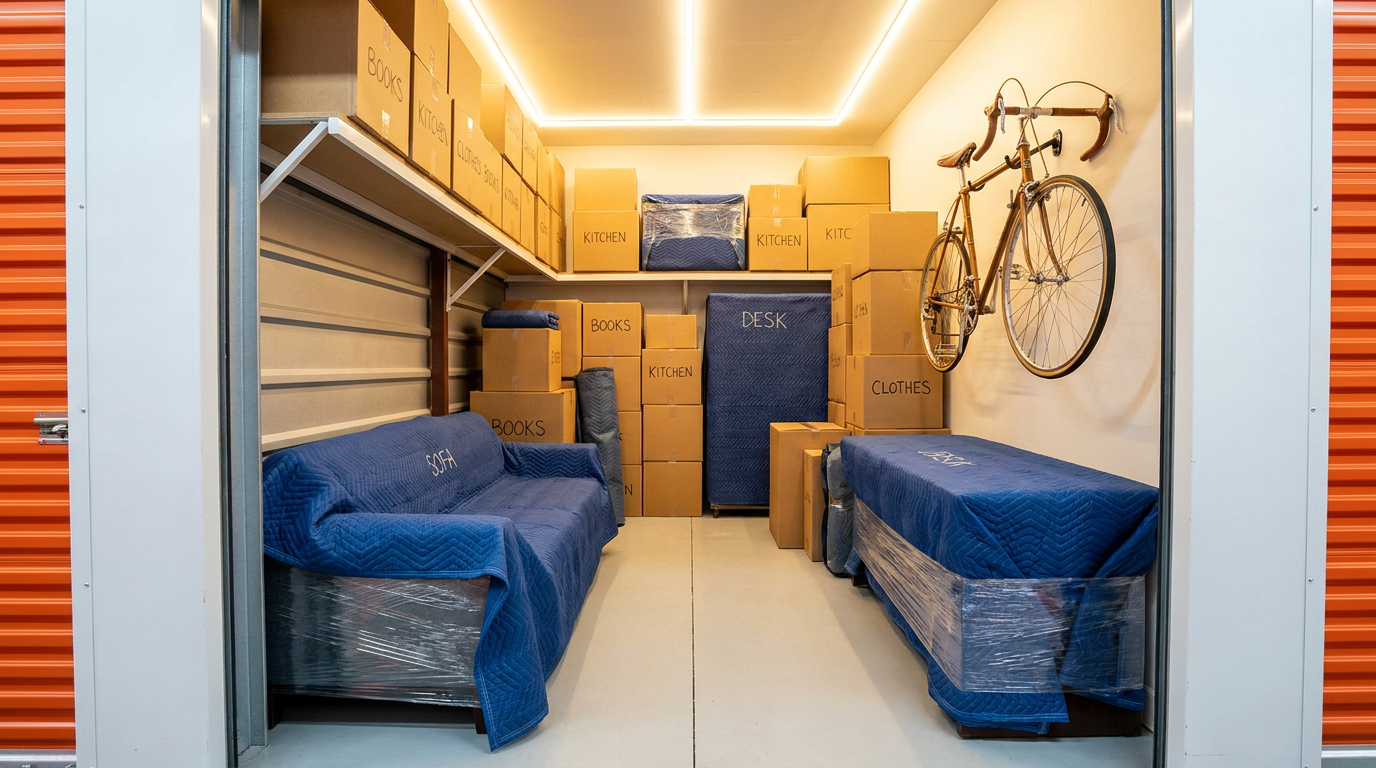
If you need couch storage, upgrade to a 5x10 minimum. Position the sofa vertically against the back wall, cushions removed and stored separately in vacuum bags to maximize remaining floor space.
Storage Considerations Unique to Moab, Utah
Moab's high desert climate creates specific storage challenges that generic size guides overlook. Temperature swings between 15 degrees Fahrenheit in January and 105 degrees Fahrenheit in July stress materials differently than moderate climates. Annual precipitation averages just 9 inches, but monsoon season (July through September) brings sudden humidity spikes.
Outdoor Recreation Gear Storage
Moab attracts mountain bikers, rock climbers, kayakers, and off-road enthusiasts who accumulate substantial gear. A serious outdoor recreation setup often requires dedicated storage space:
| Gear Type | Dimensions | Minimum Unit Size |
|---|---|---|
| Mountain bike (stored vertically) | 6 ft tall, 2 ft wide | 5x5 (1 to 2 bikes) |
| Kayak or paddleboard | 8 to 14 ft long | 10x10 or 10x15 |
| Climbing gear (ropes, harnesses, rack) | 2 to 3 large duffel bags | 5x5 |
| Camping setup (4-person) | 4 to 6 medium boxes | 5x5 |
| Off-road vehicle (Jeep, side-by-side) | 12 to 18 ft long | 10x20 or covered parking |
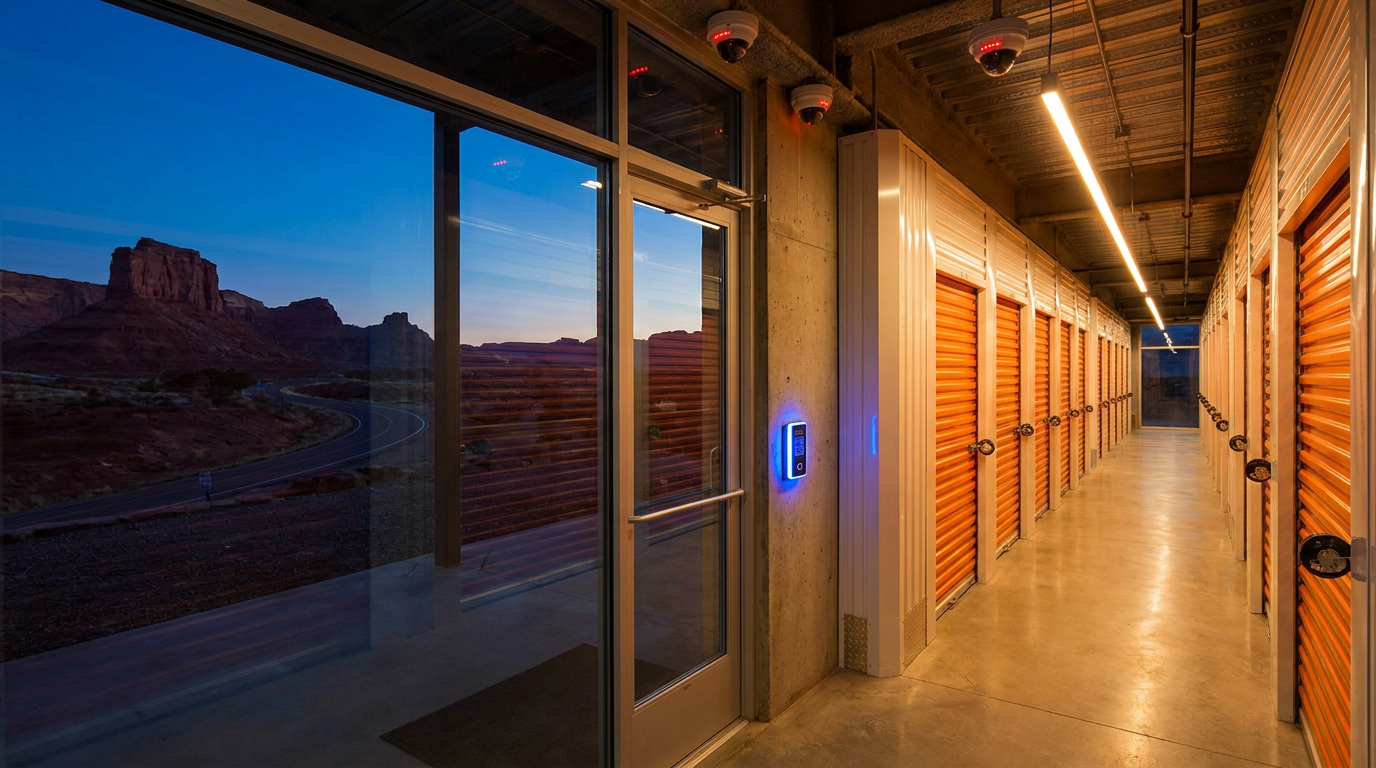
Visitors to Arches National Park and Canyonlands National Park often store gear between trips rather than hauling equipment from distant home bases. Moab Self Storage offers 24/7 access specifically to accommodate early morning adventure departures and late evening returns.
Second Home and Seasonal Resident Storage
Grand County's tourism economy means many property owners maintain second homes occupied only seasonally. These residents typically need 10x10 to 10x15 units for off-season furniture, outdoor equipment, and household goods rotated between visits.
Common seasonal storage scenarios in Moab include:
- Winter closures: Patio furniture, grills, and outdoor decor (5x10 typical)
- Summer rentals: Personal belongings stored during Airbnb rental periods (10x10 typical)
- Renovation staging: Furniture moved during home improvements (10x15 to 10x20)
Vehicle Storage Sizing in Moab
Vehicle storage requires precise measurements. Standard sedans and crossovers fit in 10x20 units with 1 to 2 feet of clearance on each side. Larger trucks, vans, and SUVs often need 10x25 or 10x30 spaces. Always measure your specific vehicle before committing to a unit size.
According to SpareFoot's Moab car storage guide, a 10x20 unit accommodates most sedans, crossovers, SUVs, and small trucks. Full-size trucks with extended beds require 10x25 minimum.
Vehicle dimensions to measure before renting:
- Total length: Bumper to bumper, including trailer hitches
- Width with mirrors: Add 6 to 10 inches per side for door opening clearance
- Height: Include roof racks, antennas, or lifted suspension
Moab Self Storage offers covered vehicle parking with electrical hookups as an alternative to enclosed units. This option works well for RVs, boats, and trailers that exceed standard unit dimensions while still providing protection from intense UV exposure that degrades paint, tires, and rubber seals in the desert sun.
Business Storage Sizing for Moab Companies
Local businesses in Moab use storage units for inventory overflow, seasonal equipment, and document archiving. The Self Storage Association reports that 30 percent of storage renters nationwide are commercial customers, with average rental durations of 14 months compared to 8 months for residential users.
Common Business Storage Scenarios
Tour operators and outfitters: Kayak and bike rental companies store off-season inventory in 10x20 to 10x30 units. Rafting companies often need covered parking for trailers and multiple units for life jackets, paddles, and safety equipment.
Retail and hospitality: Hotels, restaurants, and shops store seasonal decorations, backup furniture, and bulk supplies. A typical restaurant needs 5x10 to 10x10 for extra chairs, tables, and holiday decor.
Contractors and trades: Construction materials, tools, and equipment require 10x15 to 10x20 units with drive-up access for loading heavy items. Electrical and plumbing contractors often maintain permanent storage for inventory between job sites.
Visit our frequently asked questions page for details on commercial rental terms, including month-to-month flexibility and multiple unit discounts.
Packing Strategies That Maximize Your Unit
Efficient packing can reduce your required unit size by one tier, saving $25 to $100 monthly. The National Moving Association estimates that professional packing techniques increase storage density by 30 to 40 percent compared to casual loading.
Vertical Stacking System
Place heaviest items (appliances, furniture bases) on the floor against back and side walls. Stack medium-weight boxes in the center, heaviest on bottom. Reserve top layers for lightweight items like bedding, clothing, and holiday decorations.
Maximum safe stacking heights:
- Heavy boxes (books, dishes): 3 boxes maximum
- Medium boxes (kitchen items, toys): 4 to 5 boxes
- Light boxes (linens, clothing): 6 to 7 boxes
Disassembly Saves Space
Disassemble bed frames, tables, and shelving units before storage. A queen bed frame occupies 35 square feet assembled but only 8 square feet when broken down and stored vertically. Keep hardware in labeled bags taped to the corresponding furniture piece.
Remove legs from sofas and tables when possible. Store cushions separately in vacuum-sealed bags, reducing volume by 50 to 75 percent. Nest chairs by stacking seats together.
Create Access Aisles
Leave a 2-foot-wide aisle down the center of units 10x15 and larger. This path allows you to reach items stored in the back without unpacking the entire unit. For frequently accessed items, position them near the door regardless of weight.

When to Size Up vs. Size Down
Choosing between two unit sizes involves balancing cost against convenience. A unit that is too small creates frustration, potential damage from overpacking, and eventual upgrade fees. A unit that is too large wastes money monthly but provides flexibility for future additions.
Size Up If:
- You plan to add items within 3 months
- You need regular access to items throughout the unit
- You are storing fragile items requiring careful spacing
- The price difference is less than $30 monthly
- You are uncertain about total inventory volume
Size Down If:
- You have already completed a detailed inventory
- Items will remain untouched for 6+ months
- You can disassemble furniture to reduce footprint
- Budget constraints require minimizing monthly costs
- You are storing primarily boxes with uniform sizes
Moab Self Storage offers month-to-month rentals with no long-term commitment, allowing you to switch unit sizes as needs change. There is no penalty for upgrading or downsizing between billing cycles.
Final Checklist Before Renting
Before signing a storage lease, confirm these details to ensure you select the right unit size:
- Complete your inventory with measurements of all large items
- Calculate total cubic footage using the formula above
- Add 20 percent buffer for access aisles and packing inefficiency
- Request exact interior dimensions from the facility
- Verify ceiling height if planning vertical storage of tall items
- Confirm door width accommodates your largest furniture piece
- Check access hours match your schedule needs
Ready to see unit sizes in person? View photos and video of our Moab facility, or contact our team at (435) 222-0177 for personalized sizing recommendations based on your specific inventory.
|