How Much Does Self Storage Cost Per Month? 2026 Price Guide |
| HOW MUCH DOES SELF STORAGE COST PER MONTH
⏱ 11 min read ·
📄 #2,060 words
Self storage costs $50 to $300 per month depending on size and features. See 2026 pricing by unit size, plus tips to find the best rates in your area.
|
S elf storage units cost between $50 and $300 per month for most renters in 2026. A standard 10x10 unit averages $100 to $150 monthly, while smaller 5x10 units run $60 to $100. Prices vary significantly based on unit size, location, climate control features, and local market demand.
| Key Points: | |
|---|---|
| • | Small units (5x5 to 5x10) cost $40 to $100 per month nationally |
| • | Medium units (10x10 to 10x15) range from $100 to $175 per month |
| • | Large units (10x20 to 10x30) run $150 to $400 per month |
| • | Climate control adds 25% to 50% to base monthly rates |
| • | Rural areas cost 30% to 50% less than major metro markets |
Average Self Storage Prices by Unit Size in 2026
Unit size is the primary factor determining your monthly storage cost. According to Extra Space Storage's 2026 pricing guide, the average price for a storage unit ranges between $35 and $100 per month for basic sizes. Larger units suitable for vehicle storage or full household contents command premium rates.
The Self Storage Association reports that 10x10 units remain the most popular size, accounting for roughly 35% of all rentals nationwide. This size fits the contents of a one-bedroom apartment or serves as a half-garage equivalent for household overflow.
| Unit Size | Square Feet | National Average | Best For |
|---|---|---|---|
| 5x5 | 25 sq ft | $40 to $65/mo | Boxes, small furniture, seasonal items |
| 5x10 | 50 sq ft | $60 to $100/mo | One room of furniture, mattress set |
| 10x10 | 100 sq ft | $100 to $150/mo | One-bedroom apartment, business inventory |
| 10x15 | 150 sq ft | $125 to $175/mo | Two-bedroom apartment, large furniture |
| 10x20 | 200 sq ft | $150 to $300/mo | Three-bedroom home, vehicle storage |
| 10x30 | 300 sq ft | $200 to $400/mo | Large home, multiple vehicles, boats |
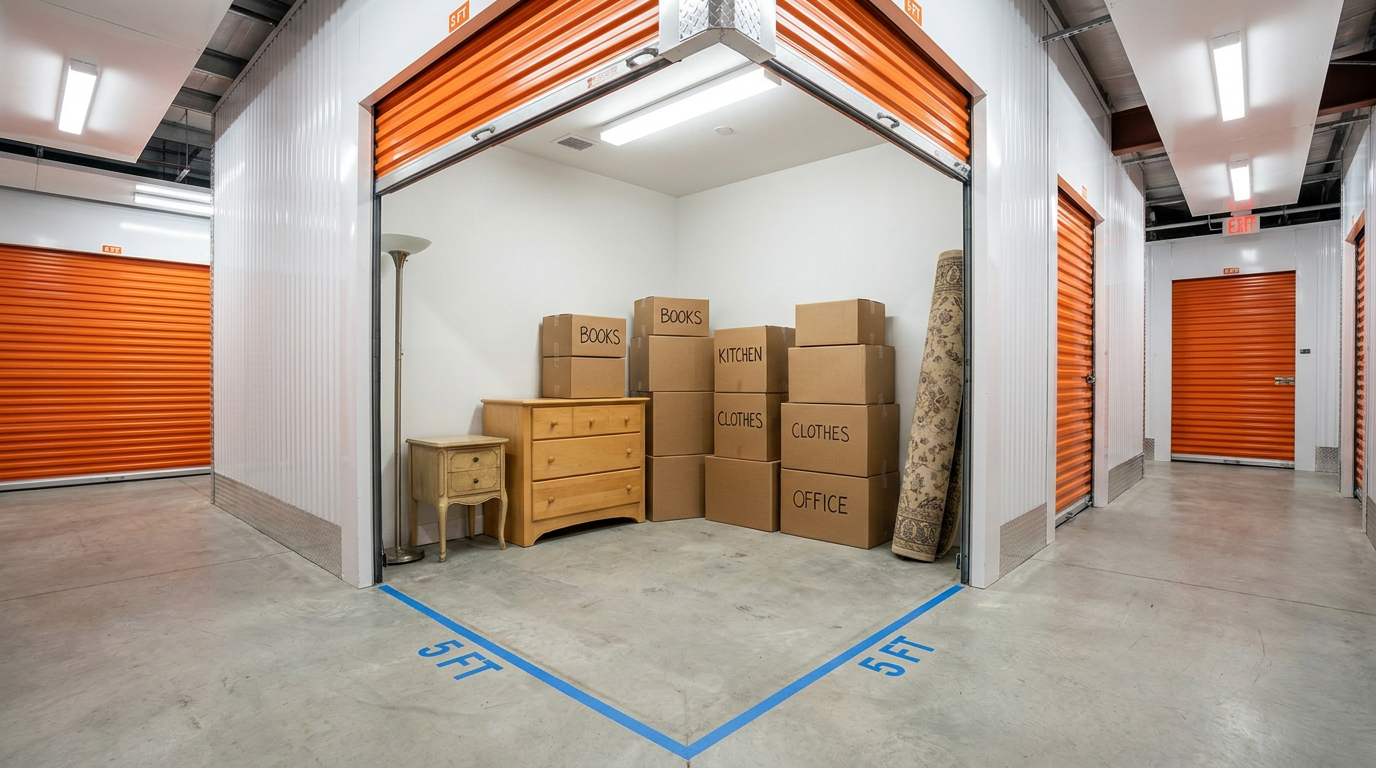
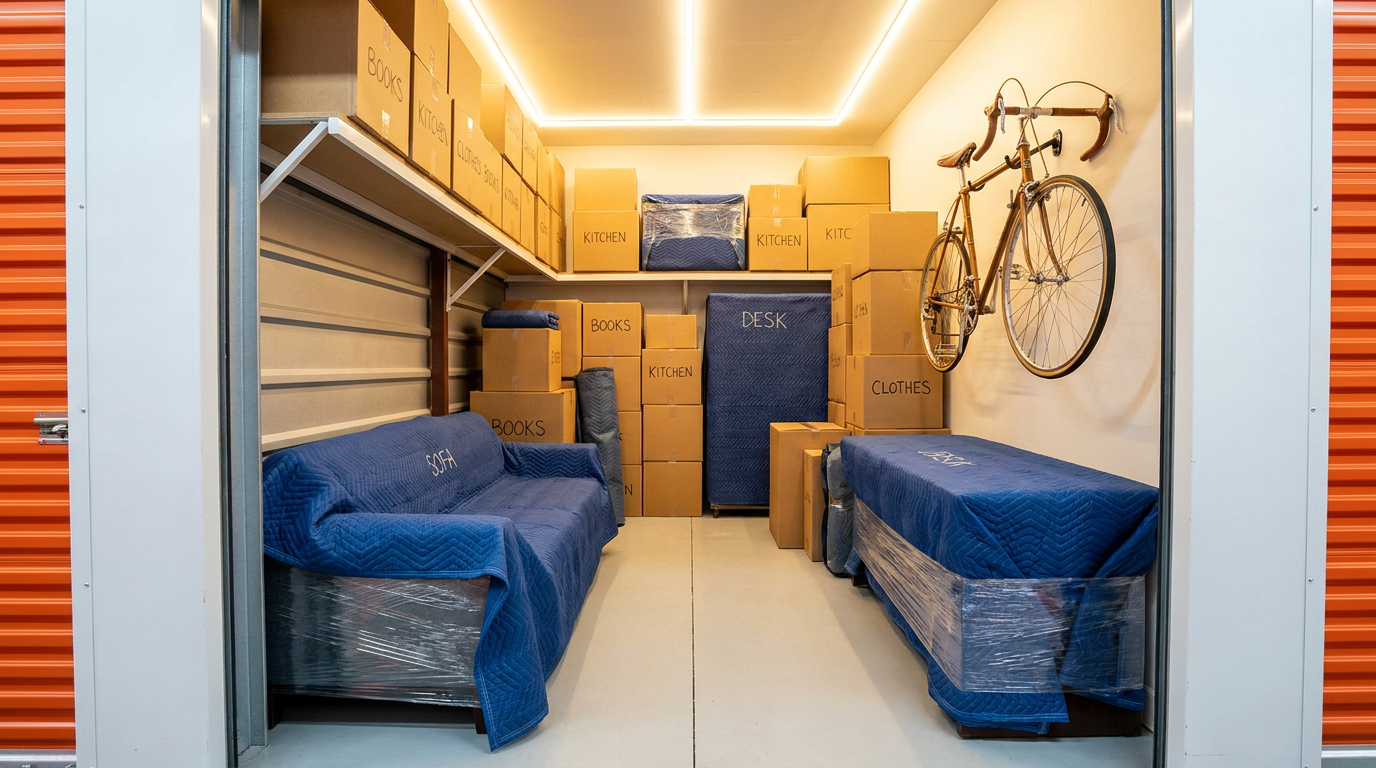
How big is a 10x10 storage unit in practical terms? Picture a standard one-car garage cut in half. This space accommodates a queen bed frame, dresser, couch, dining table with chairs, and 20 to 30 moving boxes. For reference, a 5x10 storage unit holds roughly half that amount, making it ideal for studio apartment contents or seasonal gear rotation.
What Factors Affect Storage Unit Prices?
Understanding the variables that influence storage costs helps you budget accurately and find better deals. The Federal Reserve Bank of St. Louis tracks self storage as part of the Consumer Price Index, noting that storage costs have increased 3.2% annually over the past five years, slightly above general inflation.
Location and Market Demand
Geographic location creates the widest price variations in storage. Manhattan storage units cost $200 to $400 per month for a basic 5x10, while the same unit in rural Utah runs $60 to $90. According to Public Storage's pricing guide, you can expect to pay between $60 and $200 per month on average, with significant variation by metro area.
Cities with high real estate costs, limited land availability, and dense populations charge premium rates. San Francisco, New York, Boston, and Los Angeles consistently rank among the most expensive markets. Conversely, cities in the Midwest and Mountain West offer rates 30% to 50% below coastal averages.
Climate Control and Special Features
Climate-controlled storage units maintain temperatures between 55 and 80 degrees Fahrenheit year-round. This feature costs 25% to 50% more than standard units but protects sensitive items from extreme heat, cold, and humidity damage. Electronics, wooden furniture, musical instruments, artwork, and documents require climate control for storage exceeding six months.
Other features that increase monthly costs include drive-up access (adds $10 to $30), 24-hour entry (adds $5 to $20), and first-floor placement (adds $10 to $25). Enhanced security features like individual unit alarms may add another $10 to $15 monthly.
Rental Duration and Promotions
Most storage facilities offer month-to-month rentals, but committing to longer terms often unlocks discounts. Many operators provide first-month-free promotions, 50% off the first three months, or reduced rates for prepaying six to twelve months upfront. U-Haul, Public Storage, Extra Space Storage, and CubeSmart regularly run promotional pricing that can reduce effective monthly costs by 20% to 40%.
How Much Does a 10x20 Storage Cost?
A 10x20 storage unit costs $150 to $300 per month nationally, with climate-controlled versions reaching $200 to $400. This 200-square-foot space equals a standard one-car garage and represents the most common size for full household storage or vehicle parking.
The 10x20 size accommodates contents from a three to four-bedroom home, including major appliances, multiple furniture sets, and 50 or more moving boxes. Many renters use this size for storing a car, motorcycle, or small boat alongside household items.
According to Move.org's storage cost analysis, storage units range from around $70 to $300 per month depending on size, type, and availability. The 10x20 category falls at the higher end of this range in most markets.
How Much Should You Pay for Self Storage?
The right storage budget depends on your specific needs, local market rates, and how long you plan to store. Industry data suggests spending no more than 5% to 10% of your monthly income on storage if it contains items you actively need. For temporary storage during moves or renovations, higher short-term costs may be acceptable.
Calculate your true storage value by comparing monthly costs against replacement costs. If your stored items are worth less than 12 months of storage fees, consider selling, donating, or discarding them instead. The IBISWorld industry report notes that the average American renter keeps a storage unit for 14 months, spending approximately $2,100 total before retrieving or disposing of contents.
Storage Cost Comparison by Provider Type
| Provider Type | 10x10 Price Range | Pros | Cons |
|---|---|---|---|
| National Chains (Public Storage, Extra Space) | $100 to $180/mo | Consistent quality, online booking, frequent promotions | Higher base rates, rate increases after promotions end |
| Regional Operators | $80 to $140/mo | Competitive pricing, local customer service | Fewer locations, variable amenities |
| Local Independent Facilities | $70 to $120/mo | Often lowest prices, flexible terms, personal service | May lack modern amenities, limited online tools |
| Portable Storage (PODS, 1-800-PACK-RAT) | $150 to $250/mo | Delivered to your location, convenient for moves | Higher cost, delivery fees, space limitations |
What Is the Cheapest Way to Get Storage?
Finding affordable storage requires comparing multiple facilities, timing your rental strategically, and negotiating when possible. The cheapest storage options typically involve smaller units at locally owned facilities in suburban or rural areas, combined with promotional pricing.
Seven Strategies to Reduce Storage Costs
1. Compare at least five facilities within a 10-mile radius. Price differences of 30% to 50% exist between facilities in the same area. Use aggregator sites like SpareFoot, Sparefoot, and StorageCafe to compare rates quickly.
2. Choose the smallest unit that fits your needs. Overestimating space requirements wastes money monthly. Consult a storage unit size guide to match your inventory to the right dimensions. Most facilities allow unit transfers if you need to upsize later.
3. Skip climate control if your items allow. Plastic bins, metal tools, outdoor furniture, and seasonal decorations typically survive standard storage without climate control. Reserve climate-controlled units for temperature-sensitive valuables.
4. Rent during off-peak seasons. Storage demand peaks from May through September during moving season. Renting in October through February often yields better rates and more promotional offers.
5. Ask about price matching. Many facilities match competitor rates when presented with written quotes. National chains like CubeSmart and Life Storage have formal price-match policies.
6. Negotiate rate increases. Facilities commonly raise rates after promotional periods end. Call to negotiate before accepting increases, as retention often costs less than finding new tenants.
7. Consider alternatives for short-term needs. Peer-to-peer storage platforms like Neighbor connect renters with homeowners offering garage or basement space at 30% to 50% below commercial rates.
How Much Does 6 Months of Storage Cost?
Six months of storage costs $300 to $1,800 depending on unit size and features. A mid-size 10x10 unit at $125 per month totals $750 for half a year, while a large 10x20 at $250 monthly reaches $1,500. Prepaying for six months often reduces total costs by 10% to 15% at participating facilities.
For extended storage needs, calculate the full cost before committing. The table below shows six-month totals by unit size at average national rates.
| Unit Size | Monthly Cost | 6-Month Total | 12-Month Total |
|---|---|---|---|
| 5x5 | $50 | $300 | $600 |
| 5x10 | $80 | $480 | $960 |
| 10x10 | $125 | $750 | $1,500 |
| 10x15 | $150 | $900 | $1,800 |
| 10x20 | $225 | $1,350 | $2,700 |
Storage Unit Costs in Moab, Utah
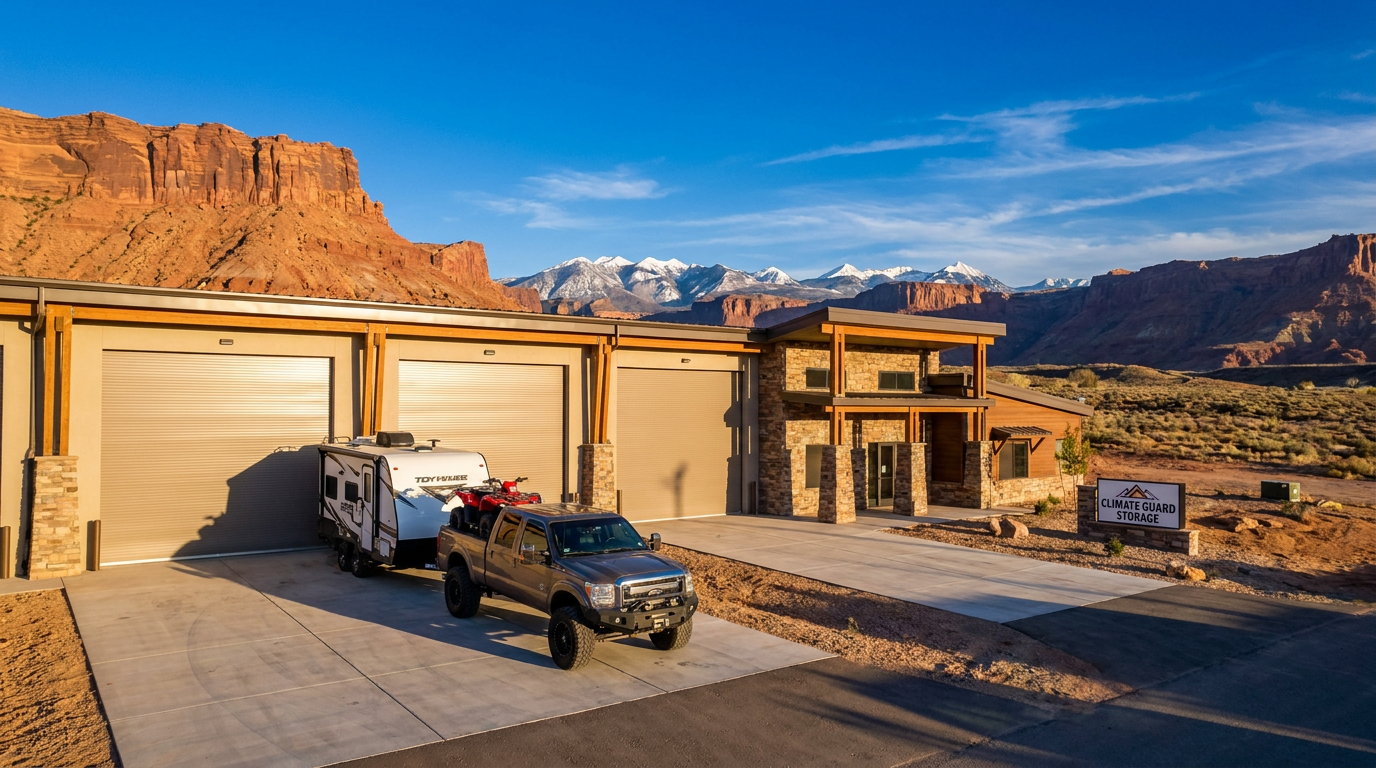
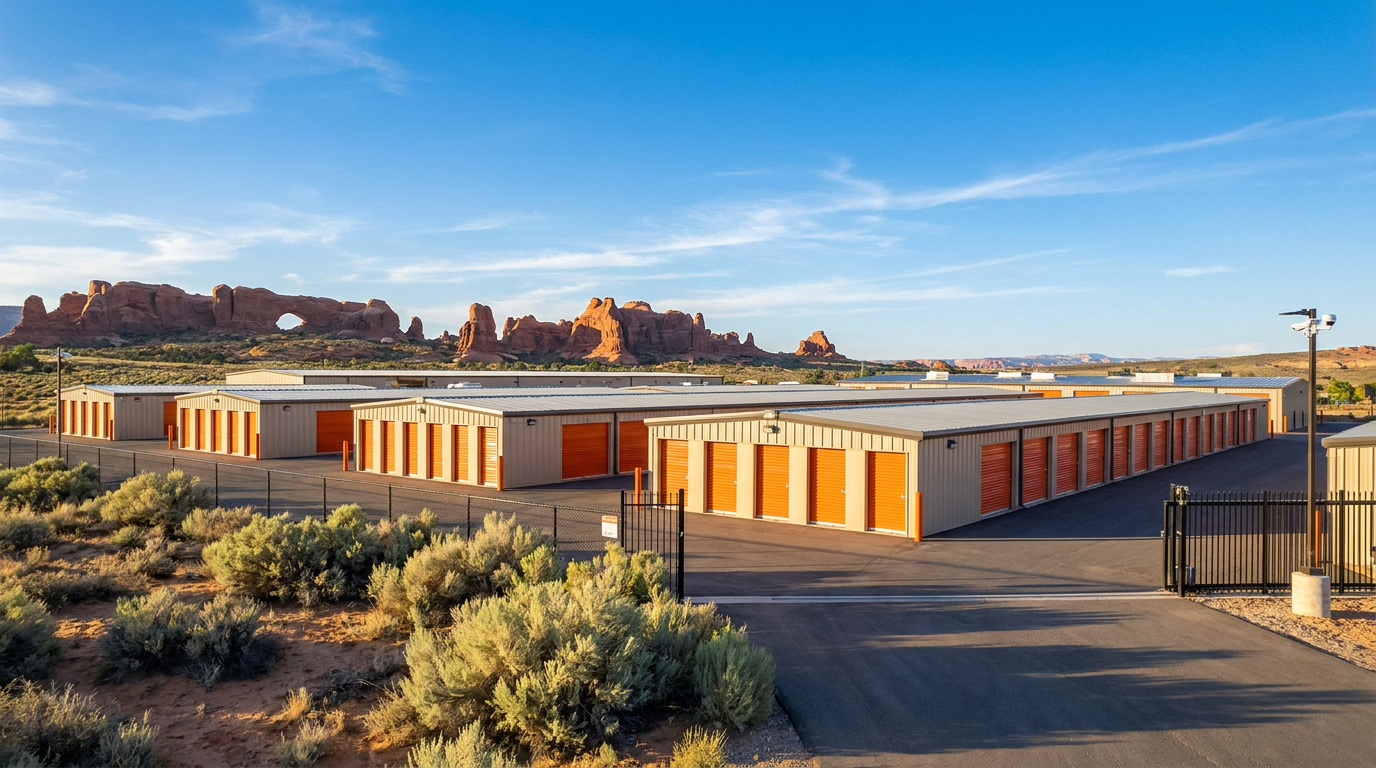
Storage prices in Moab and the surrounding Grand County area run below national averages due to lower real estate costs and reduced population density. Local facilities typically charge $70 to $140 for 10x10 units, compared to the $100 to $150 national average.
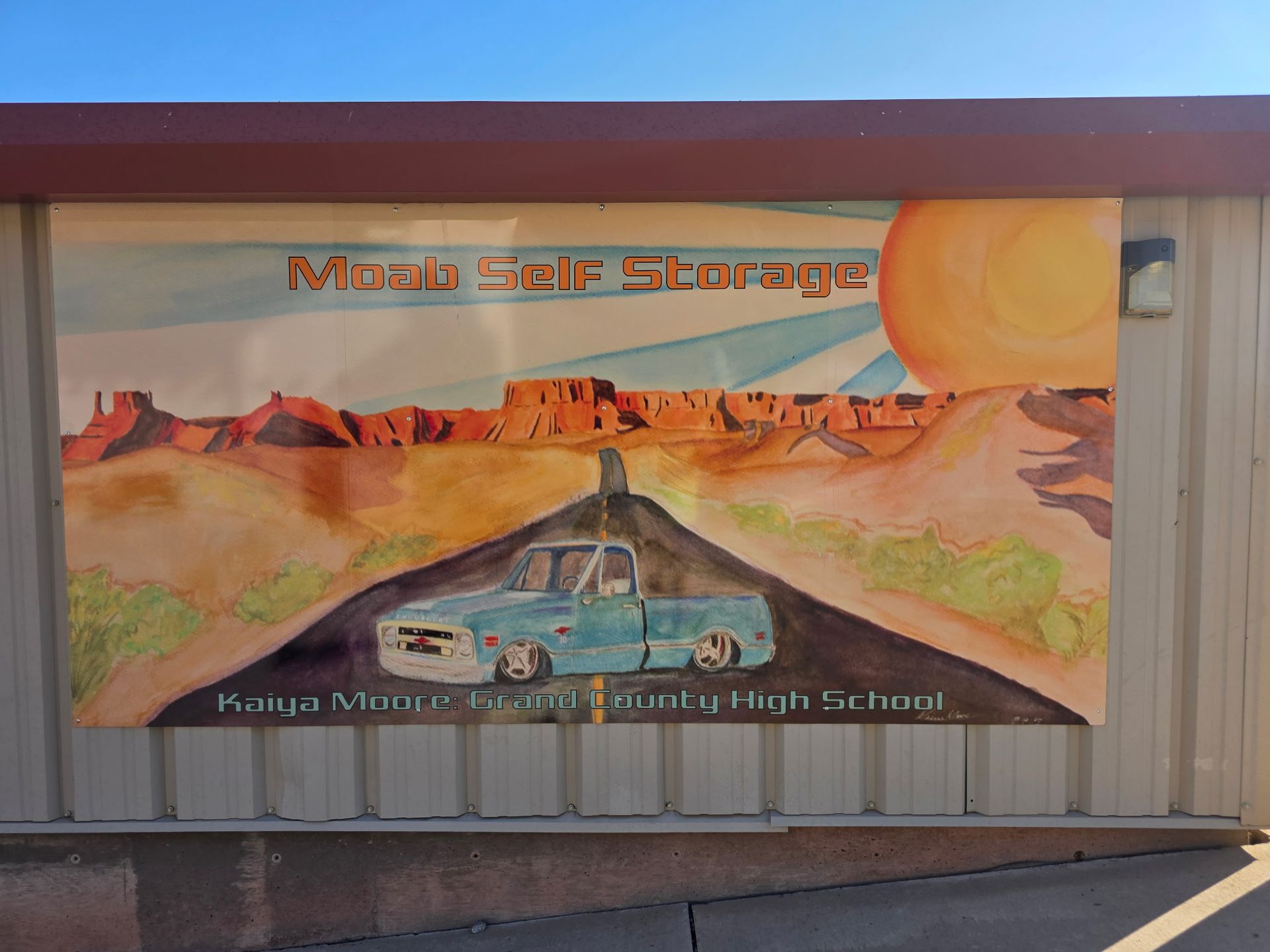
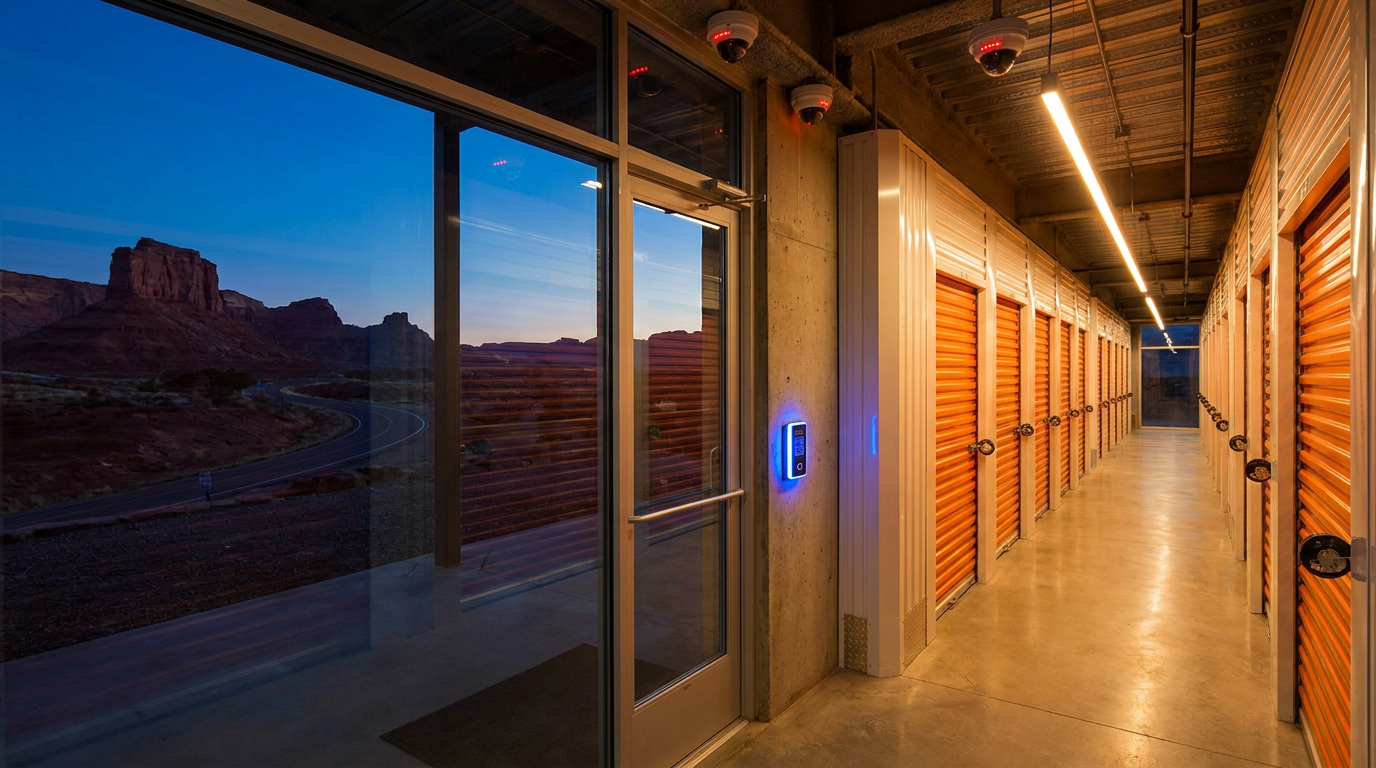
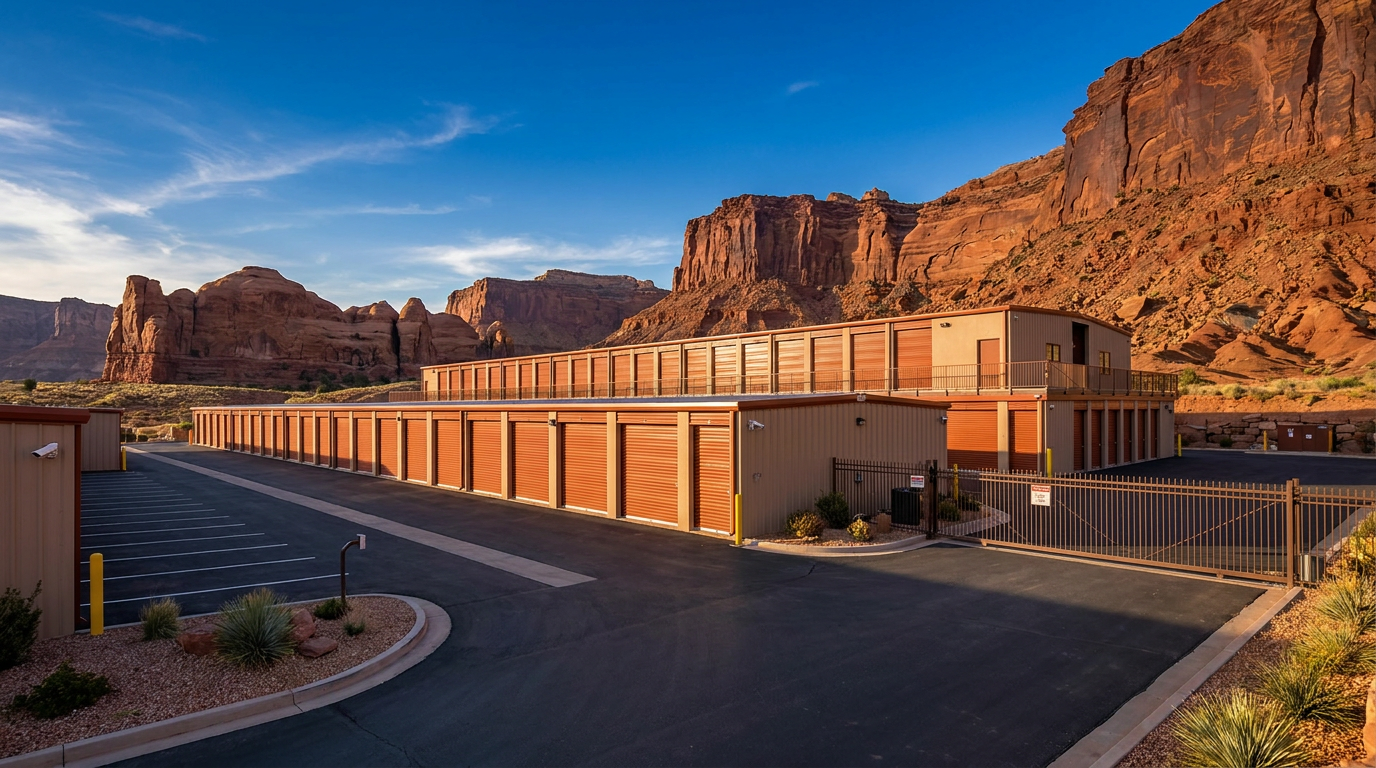
At Moab Self Storage, current monthly rates start at $87.50 for a 5x10 drive-up unit and $114.50 for a 10x10. Larger 10x15 units rent for $139.50 monthly, while 10x20 units suitable for vehicle storage are available at $374 per month. All units feature drive-up access, 24/7 entry, and digital video surveillance.
As a locally owned and operated storage facility, Moab Self Storage offers month-to-month rentals with no deposit required and no long-term commitment. The fully paved facility at 1081 S Main Street serves residents throughout the Moab Valley, including Spanish Valley, Castle Valley, La Sal, and surrounding communities.
Hidden Costs to Watch For
Monthly rent represents only part of total storage costs. Additional fees can increase your effective rate by 15% to 30% if you are not careful. Understanding these charges helps you compare facilities accurately and avoid surprises.
Administrative fees range from $15 to $30 at move-in. Some facilities waive this fee for online rentals or during promotional periods. Always ask whether administrative fees apply before signing.
Security deposits typically equal one month's rent and may or may not be refundable. Many facilities have eliminated deposits to attract renters. Facilities offering no-deposit rentals provide immediate cost savings.
Insurance or tenant protection costs $10 to $25 monthly and may be required. Your homeowner's or renter's insurance might cover stored items, so check existing policies before purchasing additional coverage. Learn more about storage tenant protection options to understand what coverage makes sense for your situation.
Late payment fees range from $10 to $50 or 5% to 10% of monthly rent. Setting up autopay eliminates this risk at most facilities.
Lock purchases cost $10 to $30 if you forget to bring your own. Disc locks and cylinder locks provide better security than standard padlocks and cost $15 to $25 at hardware stores.
Frequently Asked Questions About Storage Costs
How much does a 10x10 storage unit cost per month?
A 10x10 storage unit costs $100 to $150 per month on average nationally. Climate-controlled 10x10 units run $125 to $200 monthly. Urban markets like New York, San Francisco, and Boston charge $150 to $250, while rural areas often price 10x10 units at $70 to $100.
Is it cheaper to rent storage month-to-month or long-term?
Month-to-month rentals offer flexibility but typically cost more than prepaid long-term agreements. Prepaying for 6 to 12 months saves 10% to 20% at most facilities. However, month-to-month terms make sense if your storage needs might change, since breaking long-term contracts often incurs penalties.
Why do storage prices vary so much between facilities?
Location, amenities, facility age, and local competition create price variations. A climate-controlled unit in a new building with 24-hour access and premium security costs more than a basic unit in an older facility. Comparing multiple options within your area reveals the best value for your specific needs.
Do storage facilities raise prices after you move in?
Yes, most facilities increase rates periodically, often after promotional periods end or annually. Rate increases of 5% to 15% are common. Reading lease terms carefully and asking about rate increase policies before signing helps you anticipate future costs. Some facilities offer rate-lock guarantees for the first 12 months.
What is the best time of year to rent storage?
October through February offers the best storage deals. Demand drops after summer moving season ends, prompting facilities to offer deeper discounts and promotions. Avoid renting in May through August when demand peaks and promotional offers become scarce.
Have more questions about storage options? Visit our frequently asked questions page for detailed answers about the rental process, payment options, and facility access.
|