Complete Checklist for Choosing a Self Storage Facility (2026) |
| COMPLETE CHECKLIST FOR CHOOSING SELF STORAGE FACILITY
⏱ 15 min read ·
📄 #2,854 words
Use this 15-point checklist to compare self storage facilities. Covers security, access hours, pricing, climate control, and contract terms to find the best fit.
|
T he right self storage facility combines convenient location, proper security measures, flexible access hours, transparent pricing, and contract terms that match your storage timeline. Before signing a rental agreement, evaluate each facility against 15 specific criteria covering security features, unit conditions, accessibility, pricing structure, and customer service quality.
| Key Points: | |
|---|---|
| • | Security essentials: digital video surveillance, individual unit alarms, gated access with unique codes |
| • | Climate-controlled units cost $50 to $200 more monthly but protect temperature-sensitive items from damage |
| • | Month-to-month leases offer flexibility; avoid facilities requiring deposits or long-term commitments |
| • | Drive-up access reduces loading time by 60% compared to interior hallway units |
| • | Visit during business hours and after dark to assess lighting, cleanliness, and staff responsiveness |
Why a Systematic Comparison Matters
According to the Self Storage Association, over 50,000 self storage facilities operate across the United States, with an average of 5.5 facilities per 100,000 people. This abundance creates significant variation in quality, pricing, and services. A structured checklist prevents costly mistakes like renting a unit without adequate security or discovering hidden fees after signing.
The Self Storage Association reports that approximately 10.6% of American households currently rent storage space. Many first-time renters focus solely on price, overlooking critical factors like pest control, drainage issues, or restrictive access hours. This checklist addresses every evaluation point that experienced renters prioritize.
Security Features Checklist
Security represents the most critical evaluation category. A facility with poor security puts your belongings at risk regardless of other amenities. Evaluate these five security elements during your facility visit.
Video Surveillance Coverage
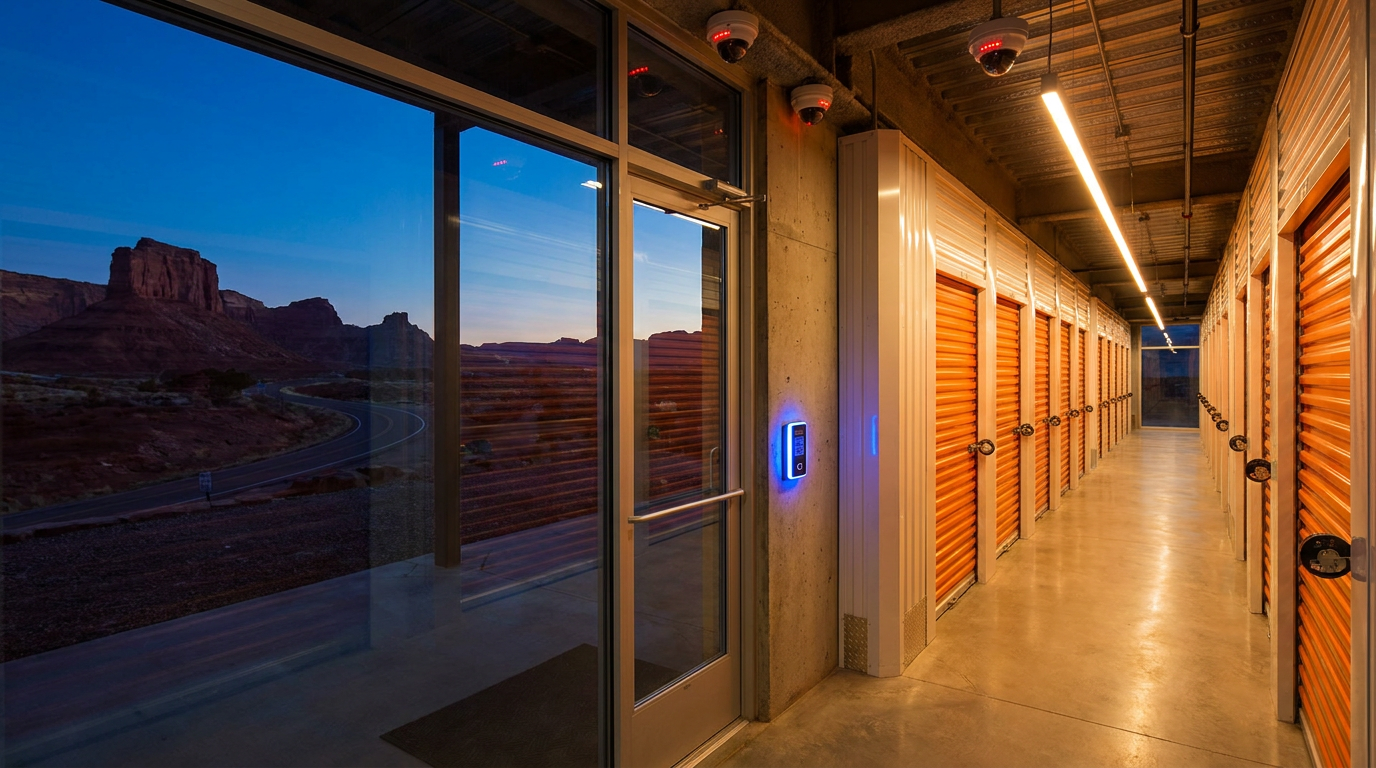
Quality facilities maintain digital video surveillance systems recording 24 hours daily with footage retained for 30 to 90 days. Ask specifically about camera placement: entrances, hallways, individual unit rows, and parking areas should all have coverage. Facilities with fewer than one camera per 20 units typically have significant blind spots.
Access Control Systems
Modern access control requires unique PIN codes or key cards for each tenant. This creates an electronic log showing exactly who entered the facility and when. Facilities using shared gate codes or physical keys lack this accountability. The best systems restrict access to specific areas, preventing tenants from accessing floors or buildings where they do not rent units.
Perimeter Security
Inspect fencing height (minimum 6 feet), condition, and whether it extends fully around the property. Check for gaps, damage, or areas where someone could climb over. Facilities in high-theft areas should have barbed wire or anti-climb features. Well-maintained perimeter security reduces break-in attempts by deterring opportunistic criminals.
Lighting Quality
Return to the facility after sunset to evaluate lighting. Every access point, hallway, and unit door should be clearly visible. Dark corners or burned-out bulbs indicate maintenance neglect. Adequate lighting serves dual purposes: deterring criminal activity and ensuring your personal safety during evening visits.
On-Site Management Presence
Facilities with on-site managers during business hours experience fewer security incidents than unmanned locations. Ask about manager hours, emergency contact procedures, and how quickly staff responds to alarm triggers. Some facilities offer 24-hour staffing or security patrols for premium protection.
| Security Feature | Minimum Standard | Premium Standard |
|---|---|---|
| Video Surveillance | Cameras at entrances and hallways | Individual unit monitoring with 90-day retention |
| Access Control | Unique PIN code per tenant | Biometric or smartphone app access with zone restrictions |
| Fencing | 6-foot chain link, fully enclosed | 8-foot with anti-climb features |
| Lighting | Motion-activated at unit rows | Continuous LED lighting throughout |
| Staffing | Business hours presence | 24-hour on-site management or security patrols |
Unit Condition and Climate Control
Physical unit conditions directly impact whether your belongings remain safe from environmental damage. Inspect multiple units, not just the one you plan to rent, to assess overall facility maintenance standards.
Climate Control Requirements
Climate-controlled units maintain temperatures between 55 and 80 degrees Fahrenheit with humidity levels below 55%. These conditions prevent warping, cracking, mold growth, and pest infestations. According to industry data from the Self Storage Association, climate-controlled units typically cost 25% to 50% more than standard units but provide essential protection for specific items.
Items requiring climate control include wooden furniture, electronics, photographs, documents, leather goods, musical instruments, wine collections, and artwork. If temperatures in your area regularly exceed 90 degrees Fahrenheit or drop below 32 degrees Fahrenheit, climate control becomes necessary for most household goods stored longer than three months.
Signs of Water Damage or Leaks
Examine unit ceilings, walls, and floors for water stains, discoloration, or warping. Check door seals for gaps that could allow rain or groundwater entry. Ask about drainage systems and whether the facility has experienced flooding. Units on ground level or in low-lying areas face higher water damage risks during heavy storms.
Pest Control Measures
Request information about pest control schedules and methods. Quality facilities conduct monthly inspections and treatments. Look for evidence of rodents (droppings, gnaw marks) or insects during your unit inspection. Facilities that prohibit food storage and maintain clean common areas experience fewer pest problems.
Ventilation and Air Quality
Even non-climate-controlled units need adequate ventilation to prevent musty odors and moisture buildup. Check for vents in unit doors or walls. Stale, humid air inside units indicates poor ventilation that could damage your belongings over time.
Access Hours and Convenience
Your storage unit only provides value when you can access it. Evaluate access policies carefully, especially if your schedule requires evening or weekend visits.
Standard vs. Extended Access Hours
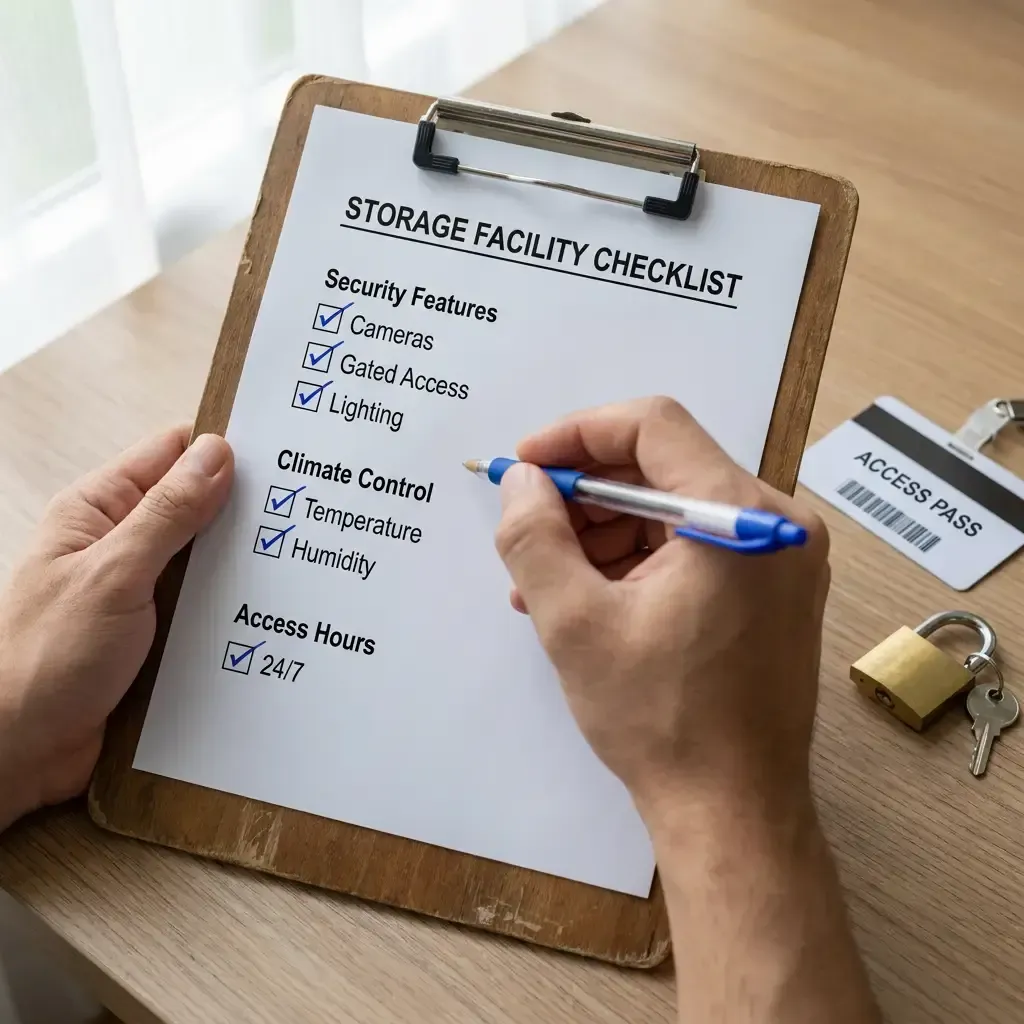
Basic facilities offer access during business hours only, typically 8 AM to 6 PM on weekdays. Extended access facilities remain open until 9 or 10 PM. Premium facilities provide 24/7 access , allowing you to retrieve or store items at any time. For businesses or individuals with unpredictable schedules, 24-hour access justifies paying a higher monthly rate.
Drive-Up Unit Advantages
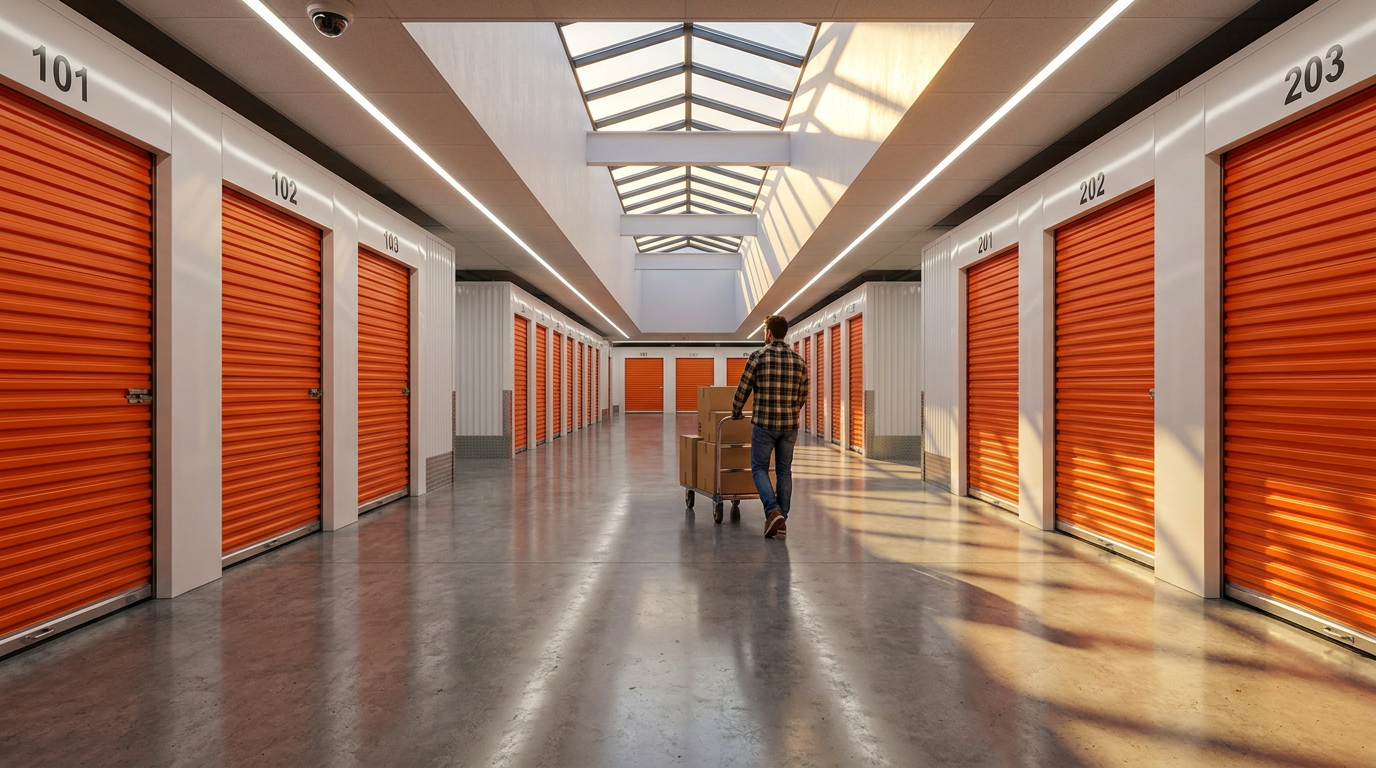
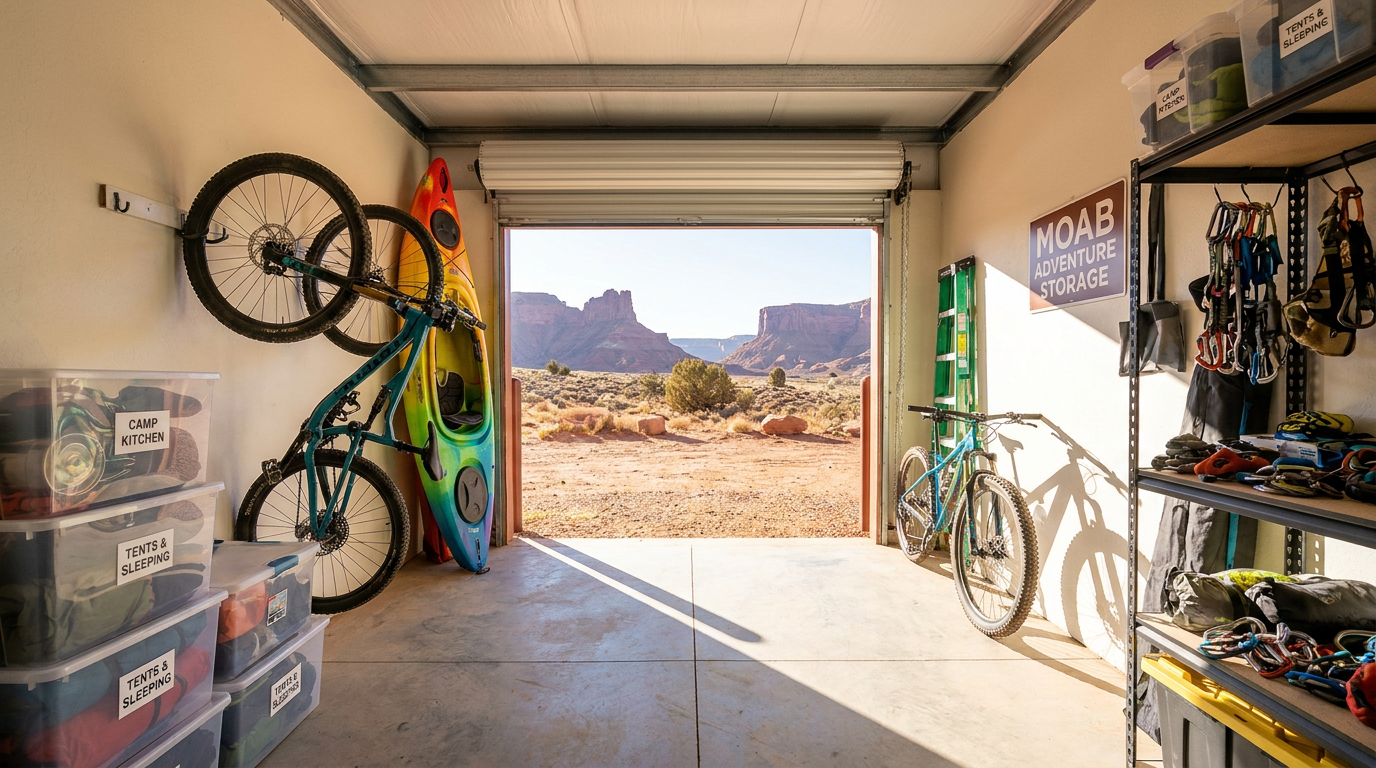
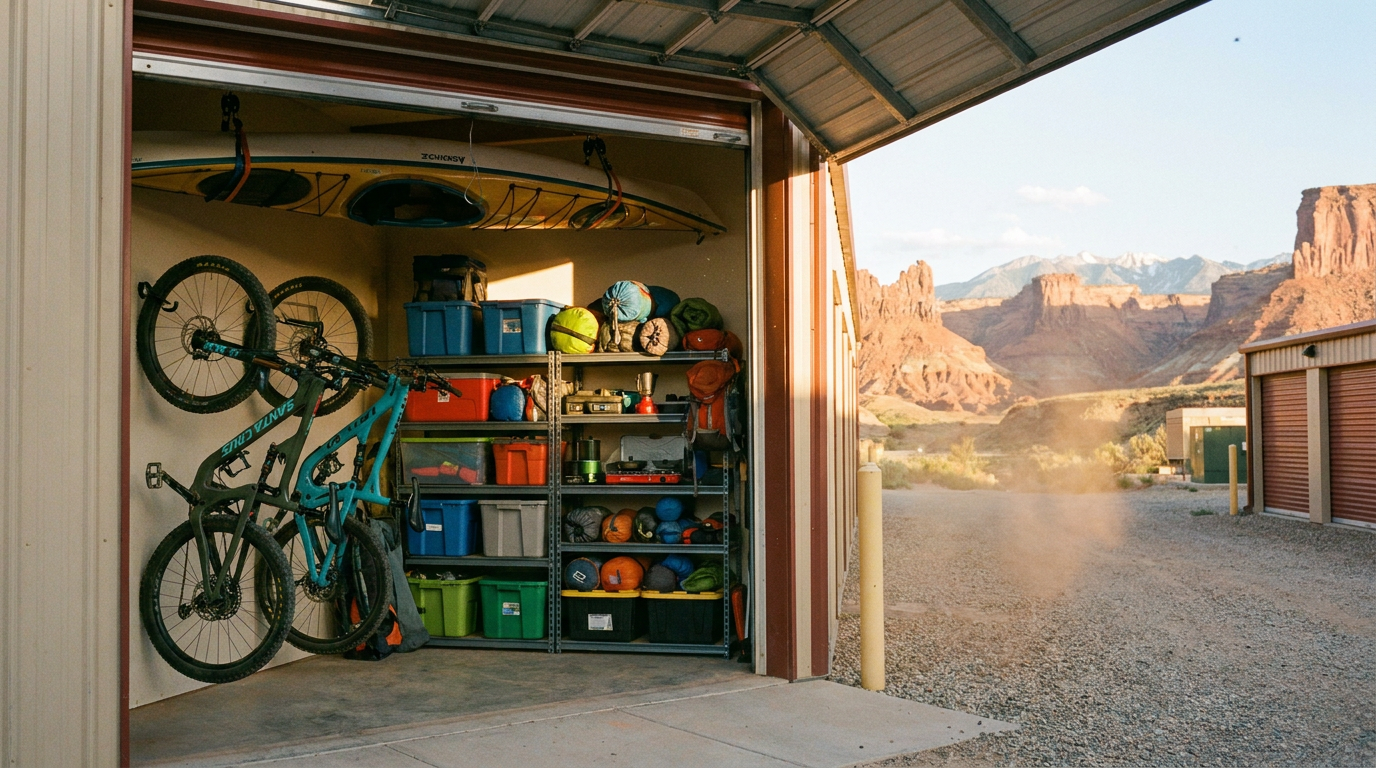
Drive-up storage units allow you to park your vehicle directly at your unit door. This configuration reduces loading and unloading time by approximately 60% compared to interior units requiring elevator trips or long hallway walks. Drive-up access proves especially valuable when storing heavy items, furniture, or large quantities of boxes.
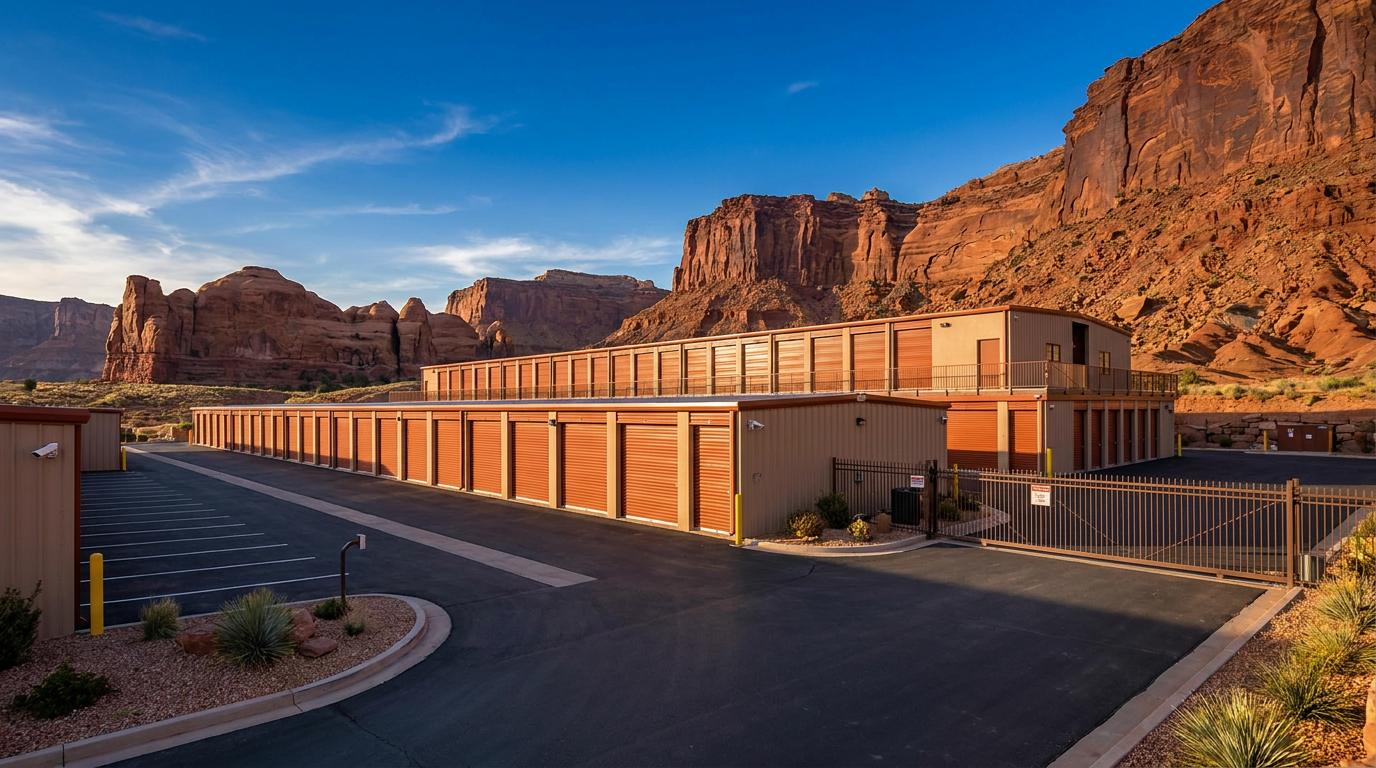
At Moab Self Storage, all units feature drive-up access on a fully paved facility, eliminating the hassle of navigating gravel lots or narrow corridors with heavy items.
Vehicle Access and Parking
Assess driveway widths and turning radii if you plan to use a moving truck or trailer. Some facilities have narrow lanes that make maneuvering large vehicles difficult. Check whether the facility restricts commercial vehicle access or charges additional fees for oversized vehicles.
Loading Dock and Equipment Availability
Larger facilities often provide loading docks, dollies, hand trucks, and pallet jacks for tenant use. These amenities significantly reduce physical strain during move-in and move-out. Ask whether equipment is complimentary or requires a rental fee.
Pricing and Contract Terms
Storage costs extend beyond the advertised monthly rate. Hidden fees, automatic rate increases, and restrictive contract terms can significantly increase your total cost. Examine these financial factors before committing.
Transparent Pricing Structure
Request a complete breakdown of all charges including monthly rent, administrative fees, insurance requirements, and payment processing fees. Some facilities advertise low rates but add $15 to $30 in monthly administrative fees. Others charge credit card processing fees of 2% to 3% on each payment.
Deposit Requirements
Many facilities require security deposits equal to one month's rent. These deposits may or may not be refundable depending on contract terms. Facilities offering no deposit required provide better value and demonstrate confidence in their tenant screening process. Our frequently asked questions page explains our straightforward rental process with no deposit needed.
Month-to-Month vs. Long-Term Leases
Month-to-month rentals provide maximum flexibility, allowing you to vacate with 30 days notice without penalty. Long-term leases (6 to 12 months) sometimes offer discounted rates but lock you into payments even if your storage needs change. For most renters, month-to-month agreements offer the best balance of flexibility and cost.
Rate Increase Policies
Ask specifically about rate increase frequency and limits. Some national chains implement automatic increases every 6 to 12 months, sometimes raising rates by 10% to 20% annually. Locally owned facilities typically maintain more stable pricing. Request written documentation of rate increase policies before signing.
| Fee Type | Typical Range | Red Flags |
|---|---|---|
| Security Deposit | $0 to $100 | Non-refundable deposits or deposits exceeding one month rent |
| Administrative Fee | $0 to $30 one-time | Monthly administrative charges or undisclosed fees |
| Insurance/Protection | $10 to $25 monthly | Mandatory expensive coverage with no alternatives |
| Late Payment Fee | $10 to $25 | Fees exceeding 10% of monthly rent or short grace periods |
| Lock Cut Fee | $25 to $50 | Excessive charges or mandatory lock purchases |
Insurance and Protection Options
Standard rental agreements do not cover damage to your belongings. Understanding protection options prevents financial loss if theft, fire, or water damage occurs.
Facility-Offered Protection Plans
Most facilities offer tenant protection plans covering theft, fire, water damage, and natural disasters. Coverage levels typically range from $2,000 to $10,000 with monthly premiums between $10 and $25. Review coverage exclusions carefully; many plans exclude damage from pests, mold, or items stored improperly.
Our tenant protection plan provides comprehensive coverage options to protect your stored belongings against unexpected events.
Homeowner's or Renter's Insurance Extensions
Some homeowner's and renter's insurance policies extend coverage to items in storage. Contact your insurance provider to verify coverage limits and whether off-premises storage qualifies. This option sometimes provides better coverage at lower cost than facility protection plans.
Liability and Damage Responsibility
Read the rental agreement's liability section carefully. Most agreements limit facility liability to gross negligence, meaning the facility bears no responsibility for damage from weather, pests, or most theft scenarios. Understanding these limitations helps you make informed decisions about protection coverage levels.
Location and Accessibility Factors
Facility location affects both convenience and security. Evaluate these geographic factors during your selection process.
Proximity to Your Home or Business
Facilities within 10 to 15 minutes of your home or workplace allow quick access when needed. Longer distances reduce the likelihood of regular visits, potentially allowing problems like pest infestations or water damage to go unnoticed. For frequently accessed storage, prioritize proximity over minor cost savings at distant facilities.
Neighborhood Safety Assessment
Research crime statistics for the facility's neighborhood using local police department data or tools like NeighborhoodScout and CrimeMapping. High-crime areas increase break-in risk regardless of facility security measures. Visit the area at different times to observe traffic patterns and general activity levels.
Highway and Road Access
Facilities near major highways provide easier access when using moving trucks or trailers. Consider traffic patterns during your likely visit times. A facility that appears convenient on a map may require frustrating detours during rush hour.
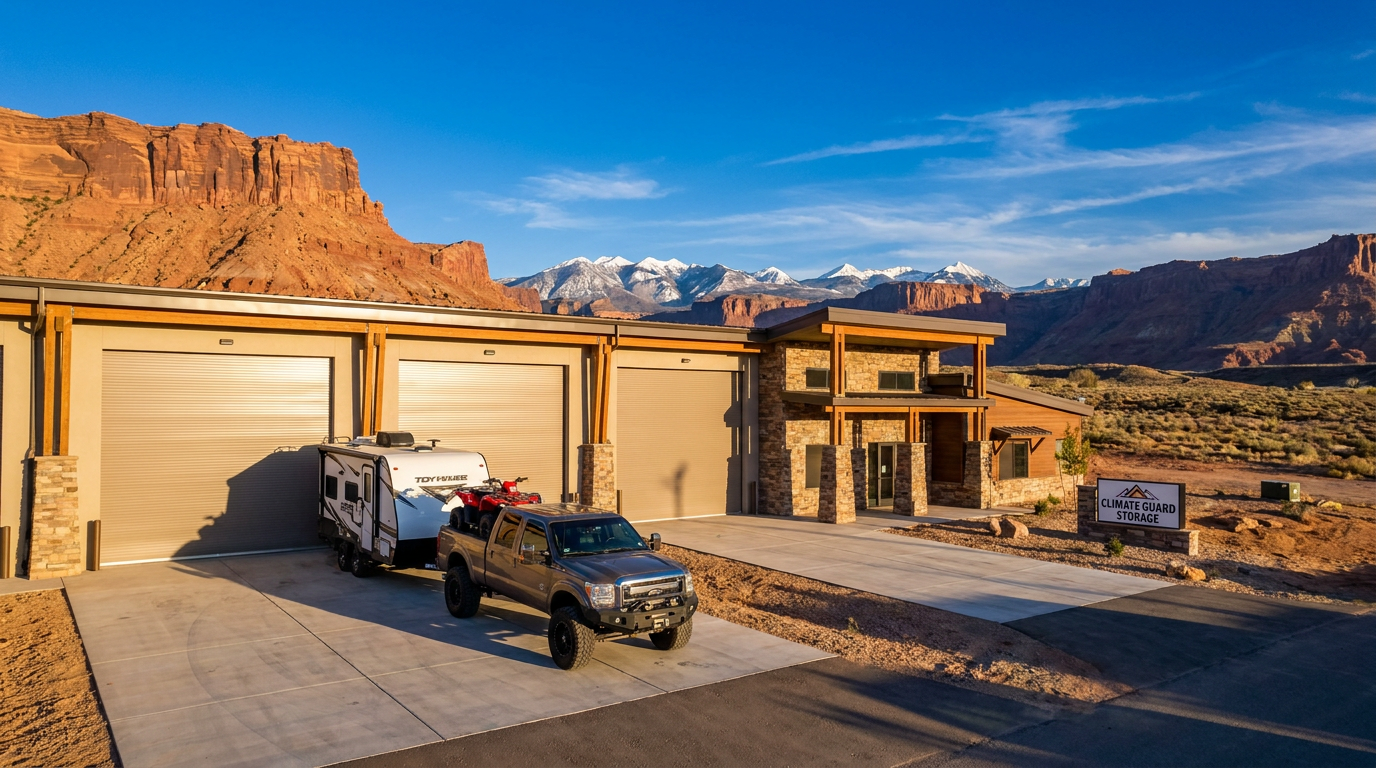
Moab Self Storage sits conveniently just off U.S. Highway 191 in the heart of Moab, providing easy access for residents throughout the Moab Valley, Spanish Valley, Castle Valley, and surrounding communities.
Customer Service Quality Indicators
Customer service quality becomes apparent when problems arise. Evaluate these indicators before renting to predict your experience during your tenancy.
Staff Responsiveness During Inquiry
Note how quickly staff returns calls or emails during your initial inquiry. Response times exceeding 24 hours suggest understaffing or poor management. Staff should answer questions thoroughly without pressure tactics or evasive responses about pricing and policies.
Online Reviews and Reputation
Check Google Reviews, Yelp, and Better Business Bureau ratings. Focus on reviews mentioning customer service interactions, problem resolution, and billing disputes. Patterns of similar complaints indicate systemic issues. A facility with 4.5+ stars across 50+ reviews demonstrates consistent quality.
Payment and Communication Options
Modern facilities offer online payment portals, automatic billing, and multiple communication channels including phone, email, and text. Facilities limited to cash or check payments or requiring in-person visits for all transactions create unnecessary inconvenience.
Move-In Process Efficiency
Ask about the move-in process timeline. Quality facilities offer same-day or next-day move-in with minimal paperwork. Online rental options that complete in under 5 minutes indicate modern, customer-focused operations. Complex processes requiring multiple visits or extensive documentation suggest outdated systems.
Printable Facility Comparison Checklist
Use this checklist when visiting potential facilities. Rate each factor on a scale of 1 to 5 and compare total scores to identify the best option.
| Category | Evaluation Criteria | Facility A | Facility B | Facility C |
|---|---|---|---|---|
| Security | Video surveillance coverage | ___ | ___ | ___ |
| Individual access codes | ___ | ___ | ___ | |
| Perimeter fencing quality | ___ | ___ | ___ | |
| Lighting (visit after dark) | ___ | ___ | ___ | |
| On-site staff presence | ___ | ___ | ___ | |
| Unit Condition | Climate control available | ___ | ___ | ___ |
| No signs of water damage | ___ | ___ | ___ | |
| Pest control program | ___ | ___ | ___ | |
| Cleanliness and maintenance | ___ | ___ | ___ | |
| Access | 24/7 or extended hours | ___ | ___ | ___ |
| Drive-up unit availability | ___ | ___ | ___ | |
| Loading equipment provided | ___ | ___ | ___ | |
| Pricing | No deposit required | ___ | ___ | ___ |
| Month-to-month available | ___ | ___ | ___ | |
| Transparent fee structure | ___ | ___ | ___ |
Questions to Ask During Your Facility Tour
Prepare these questions before visiting facilities. Staff responses reveal both policies and customer service quality.
Security Questions
How many cameras monitor the facility? How long is surveillance footage retained? What happens if an alarm triggers after hours? Have any break-ins occurred in the past 12 months? What type of locks do you recommend or require?
Access and Operations Questions
What are your access hours? Can I access my unit on holidays? What is the process if I forget my access code? Are there any restrictions on vehicle types or sizes in the facility? Do you provide moving carts or dollies?
Pricing and Contract Questions
What is the total monthly cost including all fees? Is a deposit required, and is it refundable? How much notice is required to vacate? How often do you raise rates, and by how much? What payment methods do you accept?
Protection and Liability Questions
What protection plans do you offer? What does your protection plan cover and exclude? Can I use my own insurance instead? What is your liability if my belongings are damaged or stolen? What items are prohibited from storage?
Unit Size Selection Guide
Choosing the correct unit size prevents paying for unused space or cramming belongings into an inadequate unit. Use these guidelines based on typical storage scenarios.
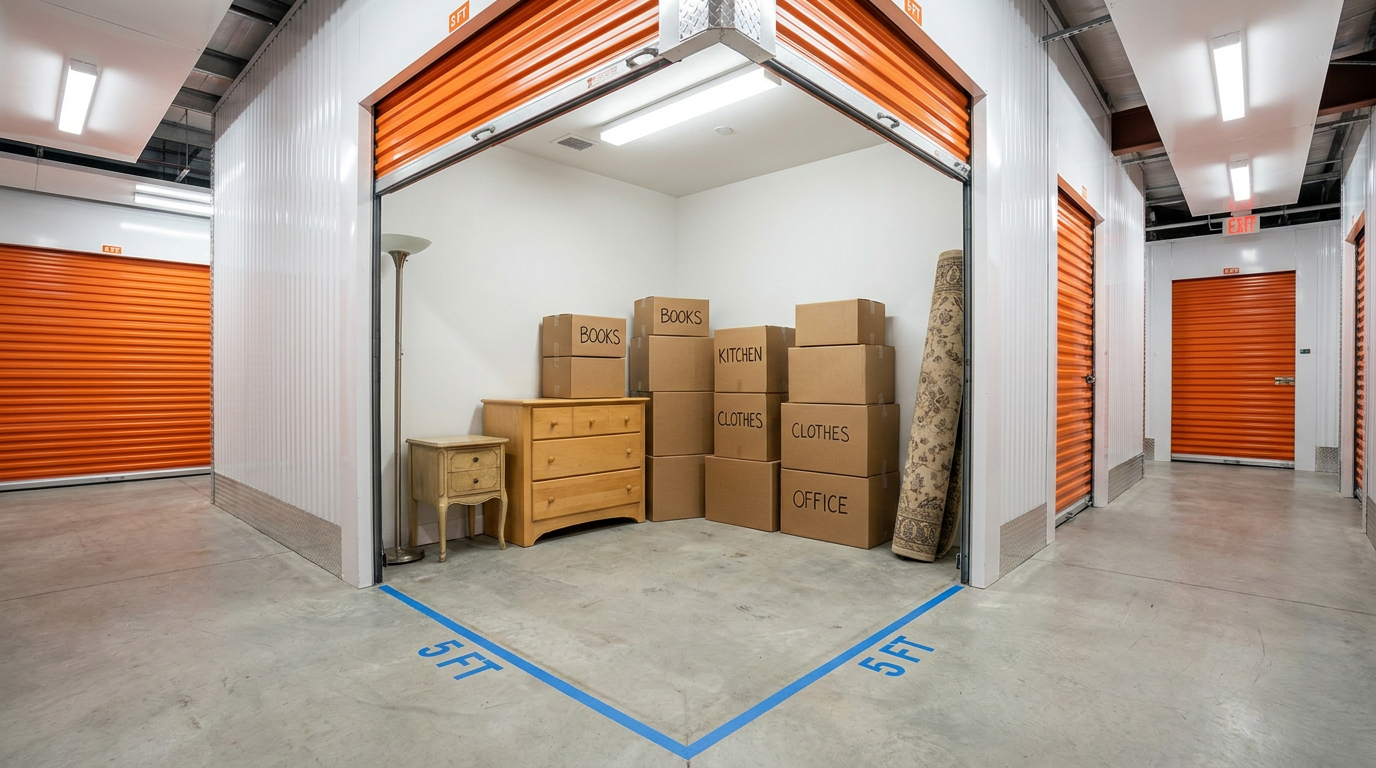
A 5x5 unit (25 square feet) holds approximately 10 to 15 boxes, a small dresser, and seasonal items. This size works for college students, small apartment decluttering, or storing seasonal decorations.
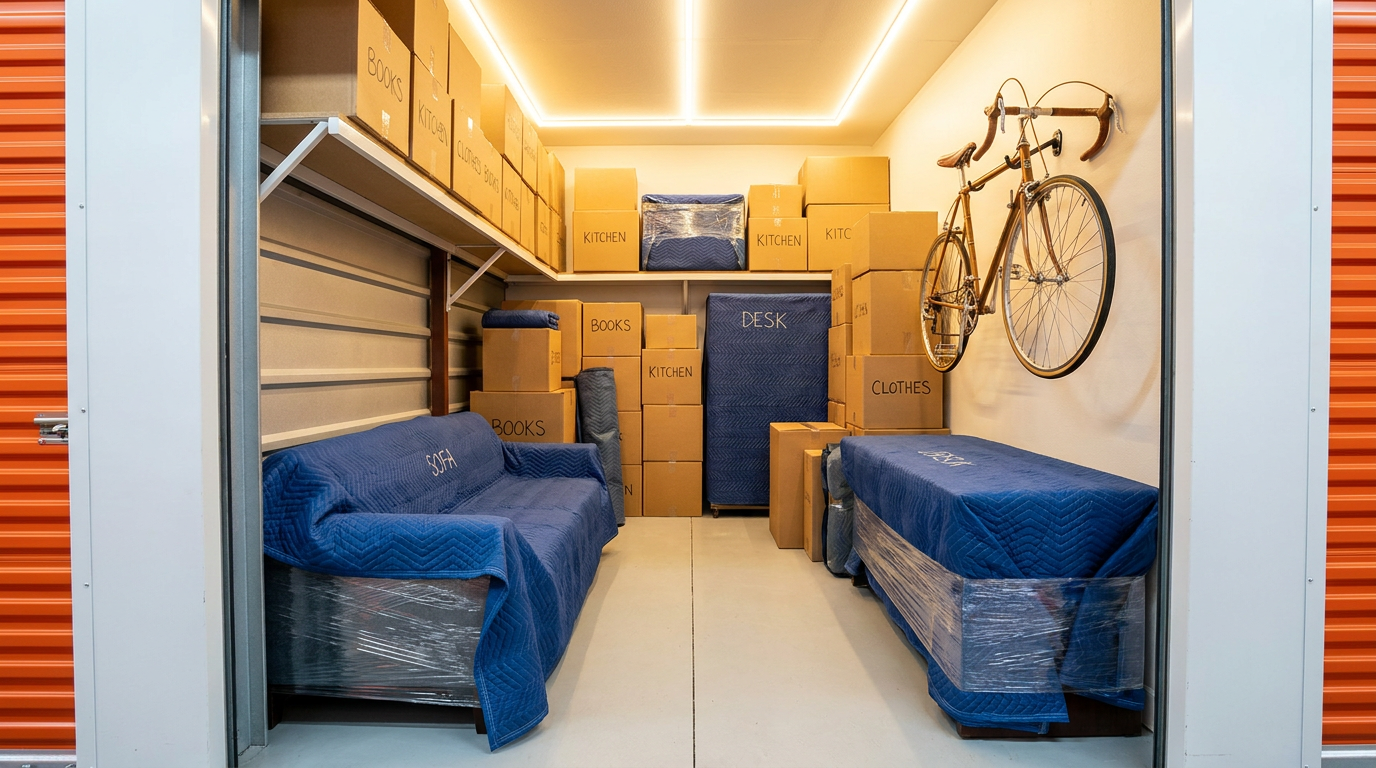
A 5x10 unit (50 square feet) accommodates a studio apartment's contents, including a mattress set, small sofa, and 20 to 30 boxes. This popular size costs approximately $87.50 monthly at many facilities.
A 10x10 unit (100 square feet) stores a one-bedroom apartment's furnishings or serves as substantial business inventory space. Expect to fit a full bedroom set, appliances, and 30 to 50 boxes.
A 10x15 unit (150 square feet) handles two-bedroom apartment contents comfortably. This size provides room for larger furniture pieces and additional boxes without stacking items dangerously high.
A 10x20 unit (200 square feet) accommodates a three-bedroom home's contents or vehicle storage. This size works for major moves, business inventory, or storing a car alongside household items.
For detailed guidance on selecting the right size for your specific needs, visit our storage unit size guide with visual comparisons and capacity estimates.
Red Flags That Indicate Poor Facility Quality
Certain warning signs should immediately disqualify a facility from consideration. Watch for these indicators during your evaluation.
Pressure sales tactics including claims that units will sell out today or limited-time pricing indicate desperation rather than quality. Reputable facilities provide information and allow time for decisions.
Reluctance to show units suggests staff knows conditions are substandard. Any facility should willingly show multiple available units and allow thorough inspection.
Unclear or verbal-only pricing creates opportunities for unexpected charges. All fees should be documented in writing before signing.
Poor maintenance visible in common areas indicates overall management quality. Overgrown landscaping, trash accumulation, and damaged signage suggest similar neglect inside units.
Negative review patterns mentioning billing disputes, access problems, or unresponsive management reveal systemic issues unlikely to improve during your tenancy.
No written contract or lease agreement leaves you without legal protection. Always receive and review a written agreement before paying.
Making Your Final Decision
After evaluating multiple facilities using this checklist, compare total scores and prioritize factors most important to your situation. Security should never be compromised, but trade-offs between convenience, amenities, and price are reasonable based on individual needs.
For short-term storage under three months, prioritize location and access convenience. For long-term storage exceeding six months, emphasize climate control, pest management, and rate stability. Business users should weight 24/7 access and loading amenities more heavily.
Request a written quote from your top two choices and compare total costs including all fees over your expected rental period. A facility with higher monthly rent but no deposit and stable rates may cost less over 12 months than a cheaper option with hidden fees and frequent increases.
As a locally owned and operated facility, Moab Self Storage offers transparent pricing, month-to-month flexibility, and customer service available seven days a week. Our team is ready to answer any questions about your storage needs.
|