How Much Does Self Storage Cost? 2026 Pricing Guide by Size |
| HOW MUCH SELF STORAGE
⏱ 10 min read ·
📄 #1,949 words
Self storage costs $40 to $300 per month in 2026. See exact pricing by unit size, climate control options, and location factors that affect your monthly rate.
|
S elf storage units cost between $40 and $300 per month in 2026, with the national average falling between $90 and $180 for a standard 10x10 unit. Your actual price depends on three factors: unit size, location, and whether you need climate control, which adds 20 to 30 percent to the base rate.
| Key Points: | |
|---|---|
| • | 5x5 units cost $40 to $65 per month; 10x10 units average $90 to $180 per month |
| • | Climate-controlled storage adds 20 to 30 percent to standard unit prices |
| • | Urban locations like Los Angeles or New York cost 40 to 60 percent more than rural areas |
| • | Summer months (May through August) see prices increase 10 to 15 percent due to moving season demand |
| • | First-month discounts of 50 percent off are common at facilities like Public Storage and Extra Space Storage |
Self Storage Prices by Unit Size in 2026
According to data from SpareFoot and Move.org, storage unit prices vary significantly based on square footage. A 5x5 unit (25 square feet) provides enough space for boxes and small furniture, while a 10x20 unit (200 square feet) can hold the contents of a three-bedroom home. The Self Storage Association reports that 10x10 units remain the most popular size, accounting for 38 percent of all rentals nationwide.
| Unit Size | Square Feet | Monthly Cost Range | Best For |
|---|---|---|---|
| 5x5 | 25 sq ft | $40 to $65 | Boxes, seasonal items, small furniture |
| 5x10 | 50 sq ft | $60 to $100 | Studio apartment, mattress, dresser |
| 10x10 | 100 sq ft | $90 to $180 | One-bedroom apartment contents |
| 10x15 | 150 sq ft | $120 to $225 | Two-bedroom apartment contents |
| 10x20 | 200 sq ft | $140 to $300 | Three-bedroom home, vehicles |
| 10x30 | 300 sq ft | $200 to $400 | Large home, business inventory |
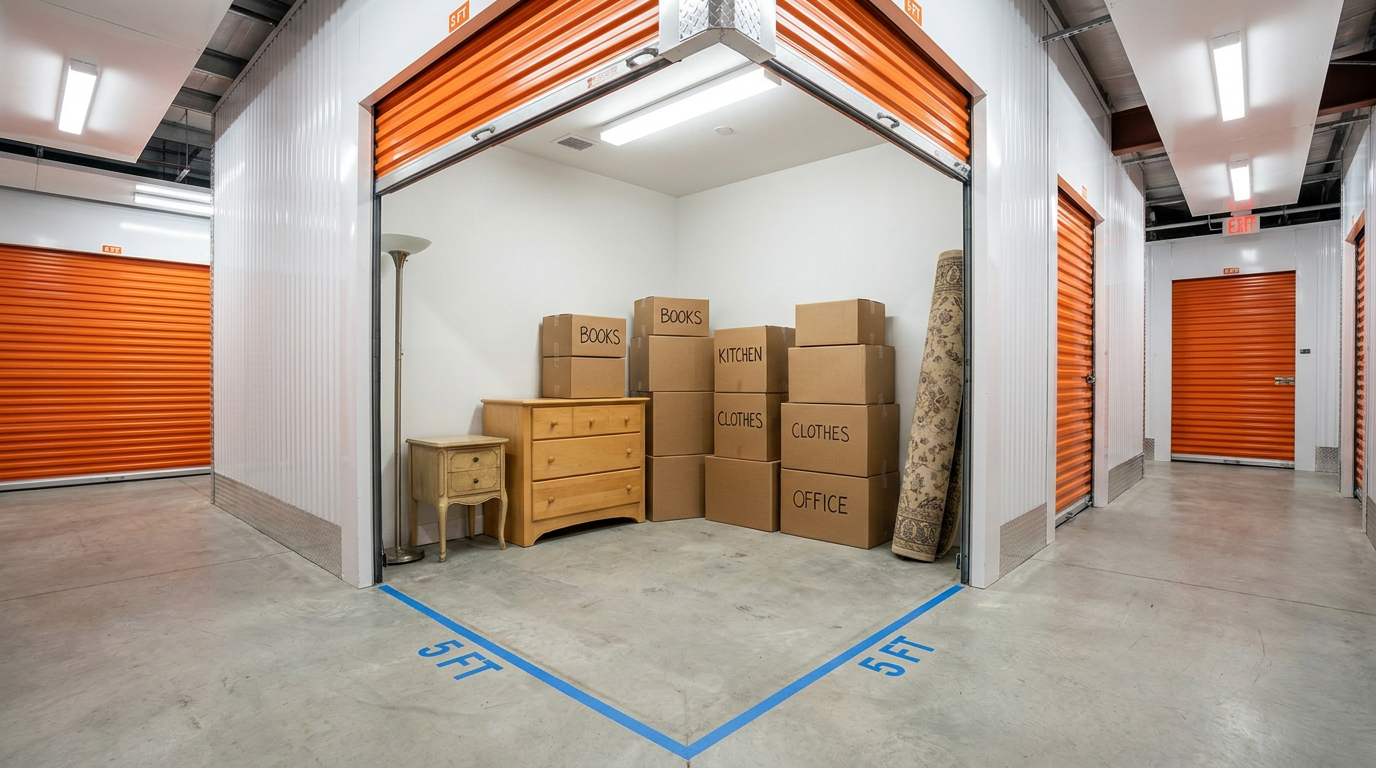
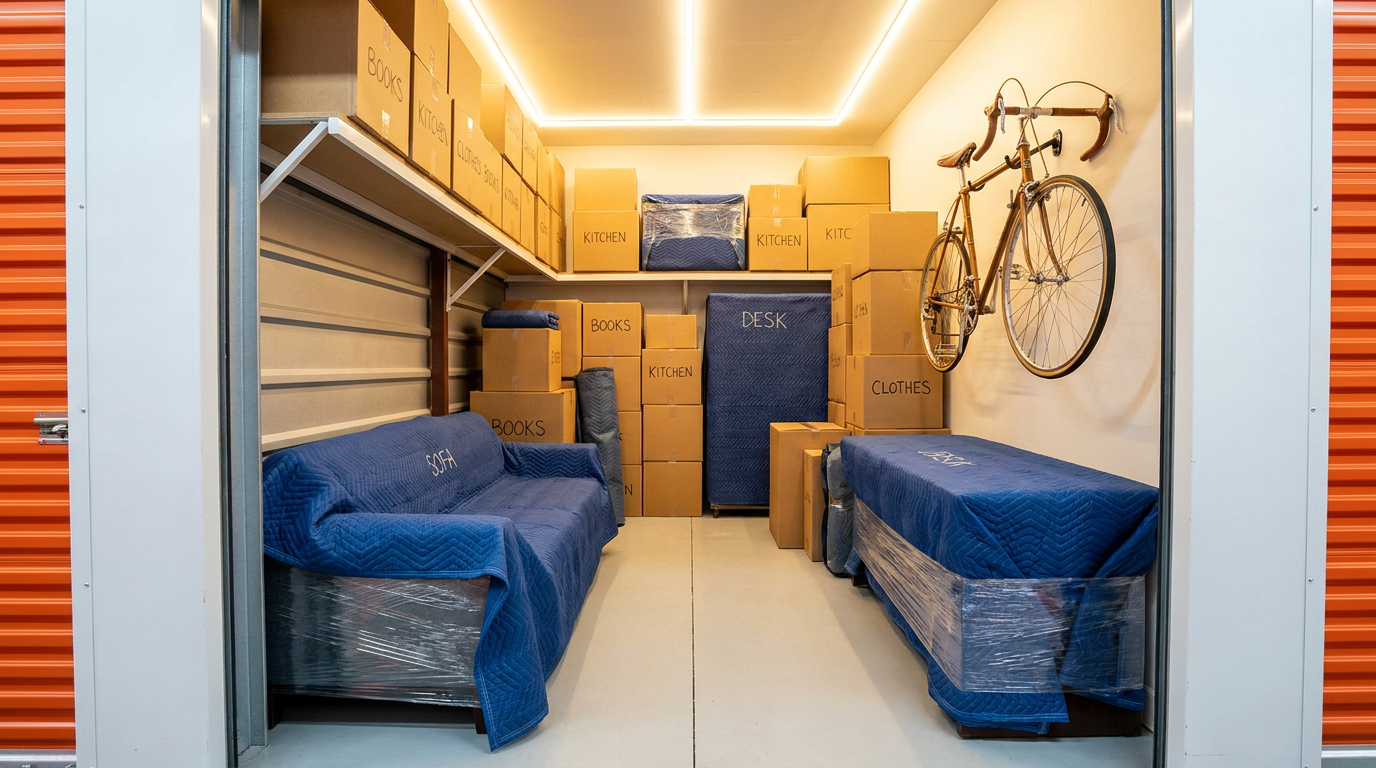
How big is a 10x10 storage unit in practical terms? Picture a standard one-car garage or a 10-foot by 10-foot bedroom. This size accommodates a queen bed, dresser, couch, dining table with chairs, and approximately 20 to 30 moving boxes. For reference, a 5x10 storage unit equals half that space, roughly the size of a walk-in closet.
What Factors Affect Storage Unit Prices?
Storage facilities like Extra Space Storage, Public Storage, and CubeSmart use dynamic pricing models similar to hotel booking systems. According to a 2025 industry report from Yardi Matrix, occupancy rates directly impact monthly rates, with facilities above 90 percent occupancy charging 15 to 25 percent premiums. Understanding these factors helps you find the best value.
Location and Market Demand
Urban storage costs significantly more than suburban or rural options. A 10x10 unit in Manhattan averages $350 to $450 per month, while the same size in rural Texas costs $75 to $100. According to SpareFoot's 2026 market data, the cheapest storage markets include Oklahoma City ($72 average), Memphis ($78 average), and Indianapolis ($82 average). The most expensive markets are San Francisco ($285 average), New York City ($340 average), and Honolulu ($295 average).
Climate Control Requirements
Climate-controlled storage maintains temperatures between 55 and 80 degrees Fahrenheit with humidity levels below 55 percent. This feature costs 20 to 30 percent more than standard units but protects sensitive items from damage. The National Moving and Storage Association recommends climate control for electronics, wooden furniture, photographs, vinyl records, wine collections, and leather goods.
Standard drive-up units work well for items that tolerate temperature fluctuations: metal tools, outdoor equipment, plastic containers, and durable sporting goods. If you live in a region with extreme temperatures (below 32 degrees or above 90 degrees Fahrenheit), climate control becomes essential for most household items.
Access Type and Convenience Features
Drive-up storage units typically cost 10 to 15 percent less than indoor hallway units because they require less infrastructure. However, indoor units offer protection from weather during loading and unloading. Facilities with 24/7 access, such as Moab Self Storage, charge comparable rates to limited-access facilities while providing significantly more flexibility for customers with irregular schedules.
How Much Is a Storage Unit Per Month Near Me?
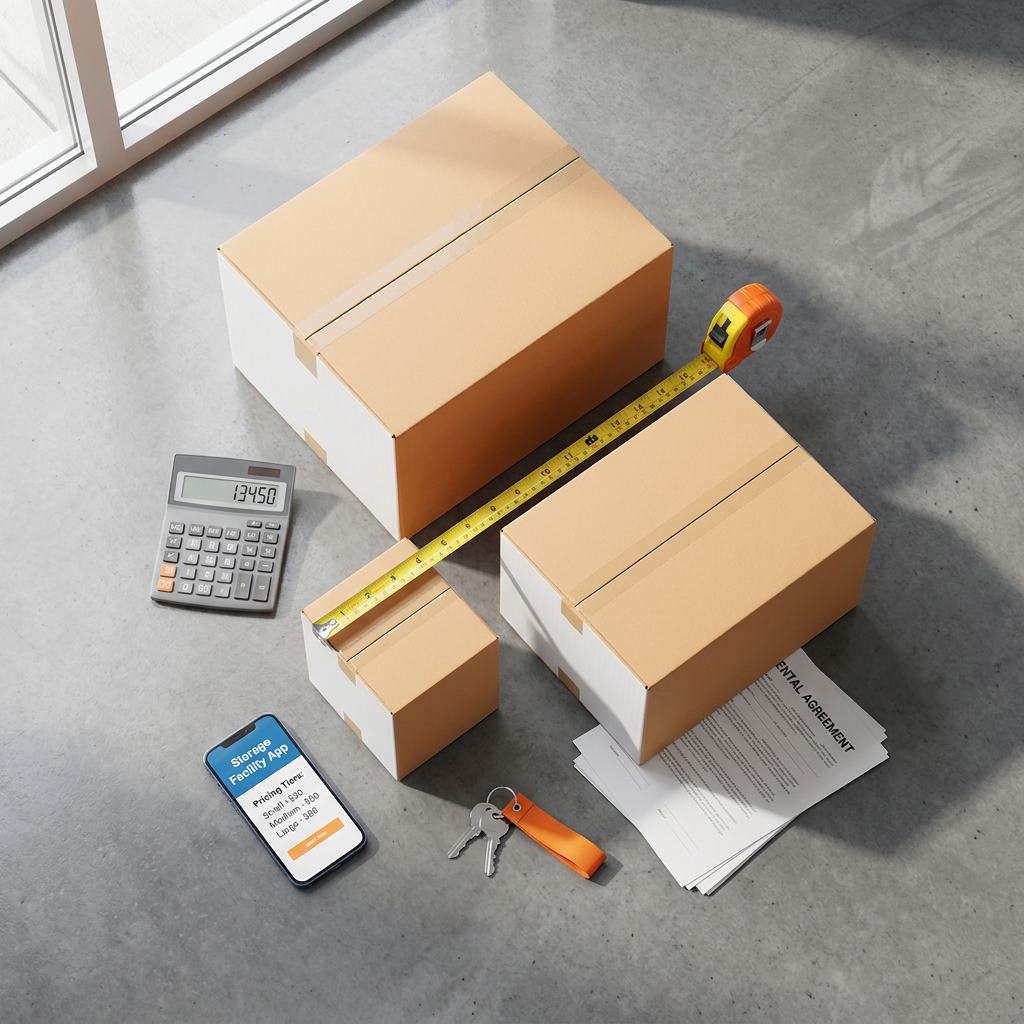
Storage unit prices near you depend on your specific metro area and neighborhood. According to Neighbor.com's 2026 pricing index, storage costs within the same city can vary by 30 to 50 percent based on zip code. Downtown and commercial districts command premium rates, while facilities 10 to 15 miles from city centers offer savings of $20 to $60 per month.
| City | 5x10 Average | 10x10 Average | 10x20 Average |
|---|---|---|---|
| Los Angeles, CA | $145 | $225 | $340 |
| Phoenix, AZ | $85 | $135 | $195 |
| Denver, CO | $95 | $155 | $220 |
| Dallas, TX | $75 | $120 | $175 |
| Salt Lake City, UT | $80 | $130 | $185 |
| Moab, UT | $85 | $169 | $199 |
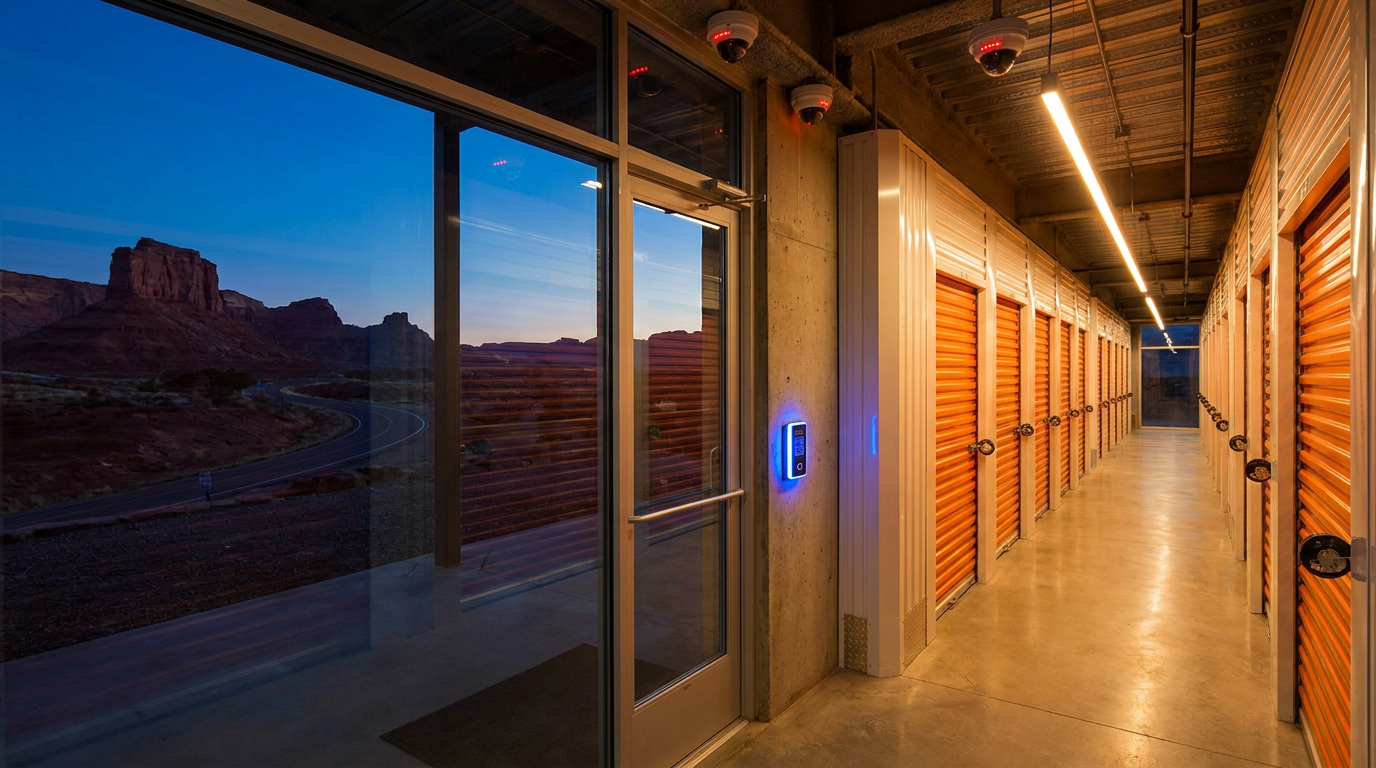
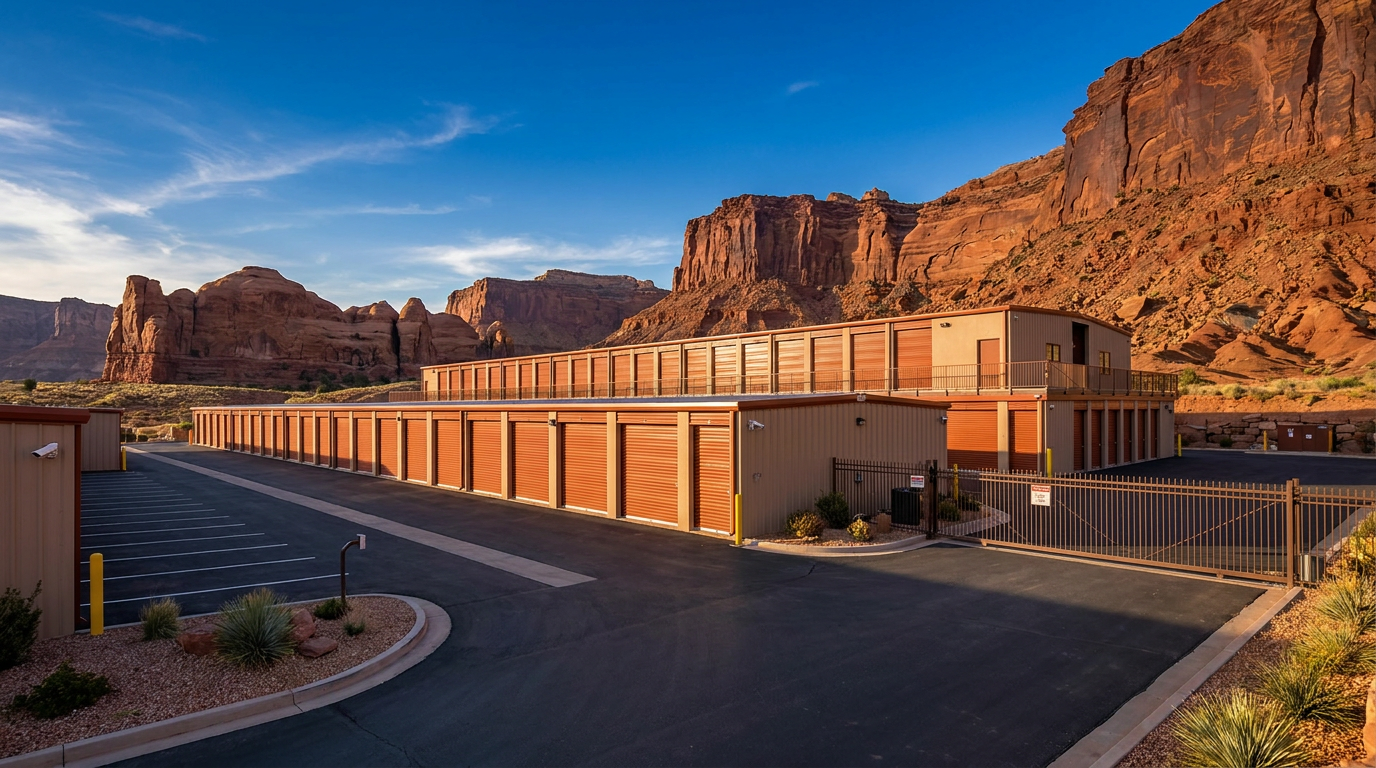
For those in the Moab, Utah area, local storage options offer competitive pricing with 10x10 drive-up units at $169 per month and 10x15 units at $199 per month. Many facilities in smaller markets provide better value than national averages while maintaining professional security features like digital surveillance and fully paved access.
How Much Does U-Haul Storage Cost Per Month?
U-Haul storage prices range from $40 to $350 per month depending on location and unit size. According to U-Haul's 2026 pricing structure, their facilities offer competitive rates in most markets, with 5x5 units starting at $39.95 and 10x20 units averaging $159 to $249. U-Haul frequently bundles storage discounts with truck rentals, offering one month free when you rent a moving truck.
Comparing U-Haul to competitors like Public Storage and Extra Space Storage reveals similar pricing in most markets. The primary difference lies in availability and location convenience. U-Haul operates over 2,000 storage locations across the United States, often integrated with their truck rental facilities.
Climate-Controlled vs. Standard Storage: Is It Worth the Extra Cost?
Climate-controlled storage costs $30 to $80 more per month than standard units of the same size. According to the American Moving and Storage Association, this premium prevents an average of $2,500 in damage claims per year for customers storing temperature-sensitive items. The investment makes financial sense for items valued above $5,000 or those with irreplaceable sentimental value.
Choose climate control if you plan to store: wooden furniture (prevents warping and cracking), electronics (prevents circuit board damage from humidity), photographs and documents (prevents yellowing and mold), musical instruments (maintains proper humidity for wood and strings), wine collections (requires consistent 55 to 58 degree storage), or leather furniture (prevents drying and cracking).
Standard storage works well for: metal tools and equipment, plastic storage bins, outdoor furniture, lawn equipment, holiday decorations in sealed containers, and sporting goods. To determine the right choice, consult a storage size guide that matches your specific items to appropriate unit features.
How to Save Money on Self Storage
Storage facilities use revenue management software that adjusts prices based on occupancy and demand. According to Inside Self-Storage magazine, customers who understand these pricing patterns save an average of 25 to 40 percent on annual storage costs. These strategies help you secure the best rates.
Book During Off-Peak Months
Storage demand peaks from May through August when most people move. Facilities offer their lowest rates from October through February, with discounts averaging 15 to 20 percent below summer prices. January typically offers the best deals as facilities clear inventory after the holiday season.
Take Advantage of First-Month Promotions
Major operators like Public Storage, Extra Space Storage, and CubeSmart routinely offer first-month discounts of 50 percent or more. Some facilities advertise "first month free" or "$1 first month" promotions. These deals provide genuine savings, though you should confirm the standard rate that applies after the promotional period ends.
Negotiate Long-Term Rates
Facilities prefer stable, long-term tenants over frequent turnover. Committing to a 6-month or 12-month lease often secures 10 to 15 percent discounts compared to month-to-month rates. Ask facility managers directly about long-term pricing; many have authority to offer unpublished discounts to retain customers.
Choose the Right Size
Overpaying for unused space is the most common storage mistake. A 10x10 unit costs roughly 50 percent more than a 5x10 unit. Before signing a lease, inventory your items and compare them against size recommendations. Most facilities allow unit size changes with 30 days notice, so starting smaller and upgrading if needed minimizes costs.
Consider Alternative Storage Options
Peer-to-peer storage platforms like Neighbor.com connect renters with homeowners who have unused garage or basement space. These arrangements typically cost 30 to 50 percent less than traditional facilities, though they may lack professional security features and insurance coverage.
How Much Does It Cost to Build Storage Units?
For those considering the investment side of self storage, construction costs range from $25 to $70 per square foot for standard drive-up facilities. According to Marcus and Millichap's 2025 Self Storage Investment Report, a 50,000 square foot facility costs between $1.5 million and $3.5 million to build, depending on land costs, climate control requirements, and local construction labor rates.
How much does it cost to build 100 storage units? A facility with 100 units averaging 100 square feet each (10,000 total square feet) typically costs $400,000 to $800,000 for construction alone, plus land acquisition. Climate-controlled facilities add 30 to 40 percent to base construction costs. The Self Storage Association reports that well-located facilities achieve stabilized occupancy (85 percent or higher) within 24 to 36 months of opening.
Frequently Asked Questions About Storage Costs
How much is it a month for storage?
Monthly storage costs range from $40 for a small 5x5 unit to $300 or more for a large 10x20 climate-controlled unit. The national average for a 10x10 unit falls between $90 and $180 per month. Your specific cost depends on location, unit features, and current market demand in your area.
How much does a 10x20 storage cost?
A 10x20 storage unit costs $140 to $300 per month for standard units and $180 to $400 for climate-controlled options. This size equals 200 square feet, enough space for the contents of a three-bedroom home or a vehicle plus additional items. Urban markets like Los Angeles and New York charge $300 to $450 for this size.
How much should I expect to pay for a storage unit?
Budget $100 to $200 per month for a standard 10x10 unit in most U.S. markets. Add 20 to 30 percent for climate control. First-month promotions can reduce initial costs by 50 percent or more. For accurate local pricing, request quotes from at least three facilities in your area and compare total costs including any administrative fees.
How much is U-Haul storage per month?
U-Haul storage ranges from $39.95 to $350 per month depending on unit size and location. Their 10x10 units average $100 to $175 monthly. U-Haul often offers bundled discounts when you combine storage with truck rentals, including one free month of storage with qualifying moves.
Why is self storage so expensive in some cities?
High storage costs in cities like San Francisco, New York, and Los Angeles reflect real estate values, construction costs, and demand. Land in these markets costs $50 to $200 per square foot compared to $5 to $15 in rural areas. Limited supply and high population density create competition that drives prices upward. According to Cushman and Wakefield's 2025 analysis, storage costs correlate directly with median home prices in each market.
How can I lower my self storage bill?
Reduce storage costs by choosing a smaller unit, renting during off-peak months (October through February), negotiating long-term lease discounts, and taking advantage of first-month promotions. Moving to a facility 10 to 15 miles outside city centers can save $30 to $60 monthly. Review your stored items annually and eliminate what you no longer need to potentially downsize your unit.
|